News

Rising energy debt creates mental health crisis for households

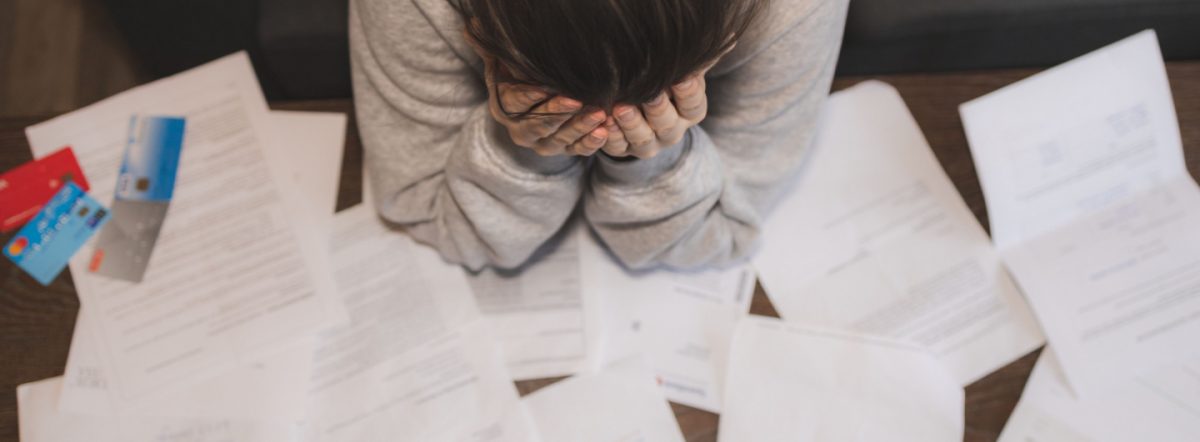
Energy debt is causing mental health anguish for millions, with Brits now facing a summer of misery in an attempt to get back into the black before next winter takes hold, according to new research. [1]  

The research commissioned by the Warm This Winter campaign found that more than a quarter of people (29%) are currently in debt to their energy companies. 

Over one in ten (12%) vulnerable households, such as the elderly and disabled, are now sitting on an energy bill debt of at least £250 each. A fifth (18%) of prepayment meter customers owe upwards of £250 each, with many owing more than £500. 

More than half (54%) of people in energy debt are worried that they won’t be able to save enough over the summer months to pay off the accrued debt, rising to 70% of lower income households. 

Close to a third of respondents (30%) in energy debt are experiencing anxiety as a result and 12% say worrying about it is now making them ill. Over a fifth (22%) of vulnerable householders are spending sleepless nights thinking about it.

To combat this, one third (33%) of people in energy debt are now being forced to sacrifice essentials, including not keeping up with household maintenance (18%) and skipping meals (17%). 

One in ten (12%) say they will have to use other forms of debt, such as a credit card or overdraft to help pay off their energy bills.

The Chancellor’s energy price cap extension has done little to alleviate consumers’ concerns, with 56% of Britons saying they are unhappy or very unhappy with the level of support with energy bills which will be available for energy bills from 1st April.

People affected by energy debt should initially contact their energy firm or Citizens Advice for help. Those concerned for their mental health can contact Mind.

A spokesperson for the End Fuel Poverty Coalition which is part of the Warm This Winter campaign, commented:

Combined household energy debt will top £2.7bn by the end of June this year and the Government needs to bring together industry and charities to find a solution to the problem.

People will be unable to repay this staggering amount and rather than passing on bad debt to other bill payers, as the energy firms suggest, the Government should use targeted debt relief to wipe out part or all of the energy debt.

This will help the most vulnerable move out of fuel poverty and boost the spending power of hard-pressed consumers.

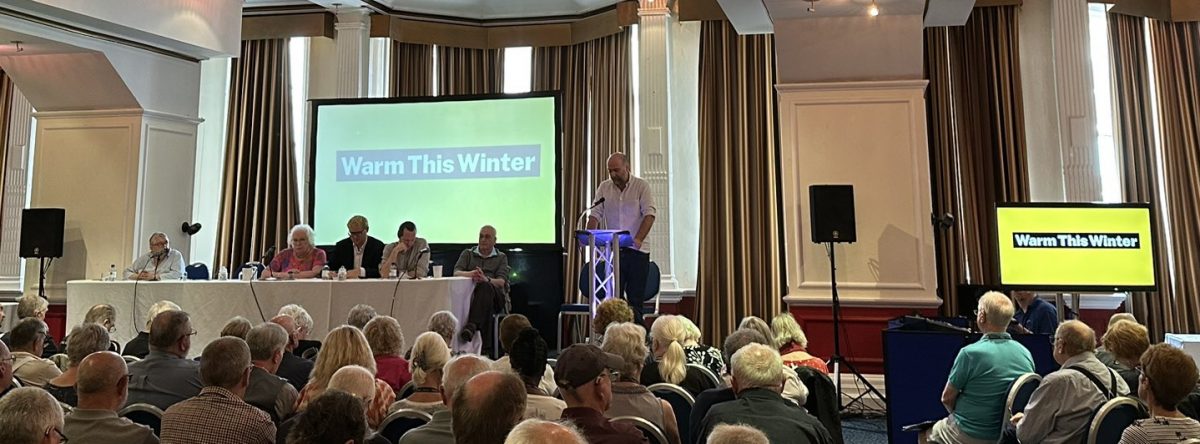
On Saturday 1st April 2023, a mass lobby of politicians will see people around the country come together to demand change. Over 70 events have been arranged nationwide, including demonstrations and meetings with local MPs to highlight the breadth of public concern about the energy crisis. 

Heidi Chow, executive director of Debt Justice, said: 

Energy debt is having a devastating effect on millions of households who can no longer afford to properly heat their homes, cook meals, or operate medical equipment. 

By ignoring the problem of energy debt the government is needlessly prolonging the anxiety. It is time for them to get their heads out of the sand and tackle this unpayable debt in a fair way. 

In March, campaigners from Warm This Winter delivered a 400,000-strong petition to Number 10 Downing Street calling for the government to take decisive action now to fix our broken energy system, which has left seven million UK households in fuel poverty this winter. 

Tessa Khan, executive director of Uplift, added:

This government has provided temporary relief for some over the winter, but utterly failed to fix the core problem facing the UK, which is the unaffordable price of energy.

Household bills are still double what they were two years ago and high energy costs are making food and other goods more expensive.

It is beyond time that the government took real action to permanently lower energy costs, which means rolling out support to upgrade homes and accelerating the development of cheap renewable energy, both of which have huge public support.

Instead of handing billions of pounds in subsidies to profitable oil and gas companies, this government should be 100% focused on helping ordinary households and businesses.

To find out more and get involved, visit https://www.warmthiswinter.org.uk/mass-lobby.

ENDS

[1] Researchers interviewed 2,196 people between 20th and 21st March 2023. Results were weighted to be representative of the GB population. GB 18+ population is 51,435,642 (ONS) with around 4.5m experiencing anxiety as a result of energy debt.

Energy bills still set to rise despite Budget

Energy bills are calculated to rise by £285 a year for the coming financial year 2023/24 according to ECIU.

This is despite a Government u-turn on the Energy Price Guarantee which was due to increase bills even further from 1 April.

Meanwhile, calculations show that combined household energy debt could exceed £2.7bn by the end of June 2023.

Other inequalities in the energy market remain with customers paying by standard credit (i.e. paying by cash, cheque or bank transfer) will pay £202 a year more than those on direct debit or pre-payment meter.

Meanwhile some regions, such as Merseyside and North Wales will pay 6.7% more for the electricity than others, such as those in the East Midlands.

A spokesperson for the End Fuel Poverty Coalition commented:

“Despite government support and falling wholesale prices, every household will pay more for their energy this coming financial year than they do at the moment. That’s due to how the energy pricing system works and expected reduced levels of support from the Government.

“This is coupled with soaring food prices and transport costs and no end in sight to the cost of living crisis.

“We need further action to provide energy debt relief to get households onto even keel and long term changes to Britain’s broken energy system. This includes tariff reform and rapid improvements to energy efficiency of housing to ensure we never again see an energy bills crisis.”

Tessa Khan from Uplift, which is part of the Warm This Winter campaign, commented:

“If the Chancellor wants to boost growth he needed to tackle the energy crisis for the long term and he hasn’t.

“Energy bills will still rise, albeit by not quite as much, meaning millions of households will continue to live in fuel poverty. From July, the average household is still set to pay double what they were in 2021.

“Crucially, there is no long term plan here to fix the UK’s broken energy system for good: no support from upgrading homes, nothing to accelerate renewables to shift the UK away from volatile fossil fuels as is happening in other countries.

“While the Chancellor might like to think the energy crisis is over, for so many households and businesses unaffordable energy bills are still a painful reality.”

National Energy Action predict that the number of households in fuel poverty will grow to 7.5m as a result of the Budget announcement.

Graham Duxbury, Chief Executive of Groundwork UK, said:

“We are glad to see the government extending support with energy bills for a further three months and taking steps to tackle the injustice of higher costs for people on pre-payment meters.

“However, more needs to be done to ensure everyone is able to access the energy they need to stay warm and well.  Even with government support in place, our Green Doctor energy advisors have been shocked by the level of hardship households have experienced this winter.

“To avoid people suffering unnecessarily in the winters to come, we need a radical plan to eliminate fuel poverty, through increasing the energy efficiency of homes, providing better coordinated advice to the most vulnerable energy users, and investing in the skills and jobs we need to transform our energy infrastructure.

“Doing this is vital to preventing the worst effects of climate change, reducing health inequalities and creating more prosperous communities.”

Chartered Institute of Housing (CIH) chief executive, Gavin Smart said:

“We’re pleased to see the government taking action to support people with high energy bills, by bringing charges for pre-payment meters in line with direct debit customers and extending the current Energy Price Guarantee at the current rate for a further three months. CIH called for this as part of the End Fuel Poverty Coalition. We would however have liked to have seen more support for energy efficiency measures, helping to tackle some of the root causes of current energy pressures.

“Housing was notable by its absence. We are disappointed that the Chancellor did not use this opportunity to restore local housing allowance to the 30th percentile, as we and others had called for. The decision to leave rates frozen at 2020 levels means the affordability gap for private renters will continue to grow, resulting in increased evictions and homelessness. We would urge government to urgently look again at this, particularly given its commitments on homelessness prevention.

“We note that various changes were announced on welfare. We await the details in this in the forthcoming White Paper and will provide further briefing for members on Budget announcements over the coming days.”

MPs from across parties join call for Government to tackle energy crisis

The British public is calling on the government to support vulnerable people and do more to tackle the energy crisis ahead of tomorrow’s Spring Statement.

New research released today reveals that eight in 10 Britons (81%) think more financial support should be given to vulnerable people to help with their energy bills and a similar proportion (84%) back more support for people to insulate their homes to save energy.

The research commissioned by campaign group Warm This Winter also found that 85% of respondents agreed that developing more homegrown renewable energy would improve the UK’s energy security. 

The pledge has already garnered cross party support from MPs including former energy minister The Rt Hon Chris Skidmore (Conservative), Shadow Minister for Climate Change and Net Zero Dr Alan Whitehead (Labour),  Wera Hobhouse (Lib Dem Spokesperson for Energy and Climate Change), and former leader of the Green Party Caroline Lucas.

The Warm This Winter research also found that three quarters of Brits back a shift to homegrown renewables in order to help lower UK energy bills.

The Rt Hon Chris Skidmore MP said: 

Expanding popular, common sense measures like home upgrades and building out clean renewable energy is the best way to permanently bring down bills, protect households long term, and reach net zero.

Dr Alan Whitehead MP said: 

Far too many households are still struggling to pay their energy bills and make ends meet. The government must seize every opportunity to tackle the energy crisis long term.

Wera Hobhouse MP said: 

Everyone deserves to be able to keep warm during the winter. Tomorrow’s budget needs to reflect a recognition of this by the Chancellor and deliver a real plan to address the future of energy in this country. That future needs to be a green future, where clean energy production insulates us from volatile oil and gas prices and we truly have energy security.

Caroline Lucas MP said: 

We’re in a gas-driven energy price crisis, a climate emergency and a cost of living scandal – yet this Government is utterly failing to take action which could help tackle all three, and is leaving people and planet in the lurch. To help keep people warm every winter and secure a liveable future, the Chancellor must commit to properly fund a street-by-street, local authority-led home insulation programme, invest in abundant and affordable renewables, and provide urgent energy bill support for vulnerable households.

A spokesperson for the End Fuel Poverty Coalition which is part of the Warm This Winter campaign, commented:

After a winter of misery which saw over nine million adults living in cold damp homes, it’s time for the government to stop the dithering.

We now need urgent action to protect the most vulnerable and fix Britain’s broken energy system. Even after free market conditions return to our energy bills later this summer, people will still be paying double what they were two years ago. 

Due to the energy crisis, the household energy debt mountain has grown to more than £2.5 billion and paying this back while the cost of living crisis continues is unfair. We need the Government and the energy industry to consult with charities to agree on a realistic way of tackling this vital issue.

On 1st April 2023, a mass lobby will see people around the country come together to demand change. To find out more and get involved, visit https://www.warmthiswinter.org.uk/mass-lobby.

ENDS

Online poll of 2000 adults aged 18+ in Great Britain between 22nd and 23rd February 2023. The figures are weighted and representative of the GB population.

Outreach to understand prepayment meter scandal launched

A nationwide call for evidence has been launched to ask energy customers to share their experiences of moving to a prepayment meter (PPM).

People can submit their experiences through an online form which is being hosted on Citizens Advice’s website and is open until Thursday 4 May 2023. A phone line (0800 464 3374) is also available to take evidence and consumers can also submit evidence via charities they may already be in touch with.

The eight-week programme of outreach is part of Ofgem’s market review of prepayment meters and remote switching, to ensure suppliers are meeting their legal obligations in protecting customers.

As part of the wider review, the End Fuel Poverty Coalition has also submitted a response to Ofgem’s consultation on protections needed to help protect energy customers.

In its response, the Coalition re-iterated its call for a legally enforceable ban on the forced transfer of homes onto a PPM (by court order or smart meter transfer) as the only acceptable solution to this abuse of power.

Despite the current voluntary ban being put in place by Ofgem and the Chief Justice, there are still reports of energy firms using the threat of a court order imposed PPM to intimidate households.

Until Parliament can legislate for such a ban, the Coalition argued in its consultation response that Ofgem must ensure that there is no return to forced transfer to PPMs until:

  1. The full PPMs Market Compliance Review has concluded and suppliers have implemented all recommendations. 
  2. Revised licence conditions have been implemented (to extend more protections to vulnerable households and extend the definition of vulnerability).
  3. Confidence is regained that suppliers have in place processes to follow the existing and updated rules set by Ofgem.

A spokesperson for the End Fuel Poverty Coalition, commented:

It is vital that anyone with experiences of using a prepayment meter responds to Ofgem’s call for evidence.

Only by telling our stories of the abuses that have taken place are the regulators and MPs able to take action to demand compensation from energy firms and reform Britain’s broken energy system.

Next week the House of Commons Business and Justice Select Committees will hear evidence from key players in the prepayment meter scandal including a former magistrate, British Gas contractors and Ofgem.

Brits back renewables as fuel poverty petition handed in

The British public is decisively in favour of a swift transition away from fossil fuels in order to ensure a reliable and affordable supply of energy, according to new research released today.

Over half of adults in Great Britain (54%) believe the country should aim to get off oil and gas as quickly as possible by ramping up efforts to improve energy efficiency and developing significantly more renewable energy. Less than a third (29%) support a more gradual transition away from oil and gas.

Just one in ten respondents to the poll conducted on behalf of the Warm This Winter campaign felt that the UK should aim to continue to meet its energy demand primarily with oil and gas for as long as is necessary. [1]

The news came as the campaign group, which includes over 40 of the UK’s leading charities, delivered a 400,000-strong petition to Number 10 Downing Street. The petition calls on the government to take decisive action now to solve the energy price crisis, which has left seven million UK households in fuel poverty this winter. 

The petition, which has attracted celebrity backers including business woman Deborah Meaden, anatomist Professor Alice Roberts and writer Emma Kennedy, has four key demands of the government:

  • Emergency support now: Providing additional financial support to people who without urgent action will be on the front-line of poverty every winter.‍
  • Help to upgrade homes: Launching a new, properly-funded programme of home upgrades and insulation across the UK to bring down bills and prevent energy waste.
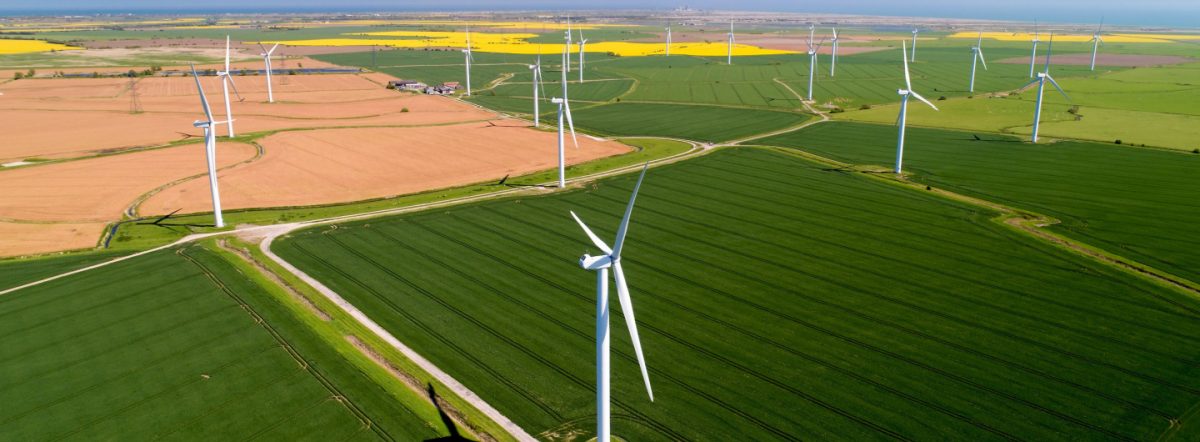
  • Cheap energy:  More than triple the amount of renewable energy in the UK by 2030, including wind and solar generated in harmony with nature, in order to permanently lower bills.
  • Free the UK from oil and gas: Stop approving new oil and gas fields so that the UK can escape its dependence on volatile fossil fuels.

Dragons’ Den star and environmental campaigner, Deborah Meaden, is keen to see a restructuring of the UK energy market to allow the country to take advantage of the lower cost of renewable energy. Deborah said:

There is simply no excuse in one of the richest countries in the world for people to be having to make the choice between heating and eating or being forced into public spaces simply to keep warm.

The UK’s reliance on costly fossil fuels has left this country vulnerable to oil and gas price fluctuations – an absolute catastrophe for energy bills in the wake of Russia’s invasion of Ukraine. It’s time we overhauled the current energy system, decoupled renewable prices from the global gas market and prioritised harnessing our abundant natural resources, including wind, wave and solar power in order to secure energy supply and bring prices down in the long-term.

Jess Stone, 27, from Essex, handed in the petition on behalf of the 400,000 members of the public who signed it. She said: 

You try so hard to make everything stretch, but there’s only so much stretching you can do, and once you’ve cut out every single thing that isn’t essential, you’re still left having to cut out essentials.

It’s not just the physical toll, it’s not just the financial toll, it’s the mental toll that is getting harder and harder. Every single day I’m having to decide ‘what will we go without today?’.

I’m having to put my four-year-old to bed every night in a home that is too cold. He has asthma and the cold is bad for his lungs, but I just can’t afford to put the heating on, so we’ll go to sleep in the same bed for warmth, under two duvets, with him sleeping in his dressing gown.

I turn to places like food banks and baby banks for help. I’m grateful for these places, but they shouldn’t have to exist. Today I went to a baby bank to pick up a jumper for my son – he grows so quickly and I can’t afford to keep up, and he needs warm clothes when we can’t afford to heat the house.

I’ve donated his old clothes for other parents, we’re all helping each other out, but you think to yourself, why isn’t the Government doing something to actually solve this?

A spokesperson for the End Fuel Poverty Coalition which backed the petition commented:

Across the UK, the message to decision makers is clear: we need reform to our broken energy system and no return to the dirty fossil fuels of the past.

An end to fuel poverty which also meets net zero targets is possible, it just needs the political will to make it happen.

Every so often the Government wakes up to the reality of life in energy crisis Britain and takes action. The latest u-turn is that it now looks set to keep the average energy bill capped at current levels for another three months. But in reality, this will still feel like a 19% increase in bills for people from 1 April as the Energy Bill Support Scheme is coming to an end and new support for vulnerable households is insufficient.

Tessa Khan, executive director of Uplift added:

This shows the public is way ahead of the government on how to solve the UK’s energy crisis and lower energy bills permanently. Fix the leaks in our buildings to keep the heat in, crack on with developing cheap renewable energy, and move the UK off unaffordable fossil fuels.

Yet, because of the constant whispering of fossil fuel lobbyists, this government is dithering, while wasting public money subsidising new oil and gas drilling that will make zero difference to our energy security or bills. If it approves the huge Rosebank field, the UK public will effectively be over half a billion pounds poorer because of the subsidies, and the oil will most likely end up abroad.

Unaffordable energy prices are at the root of so many of the problems we are currently experiencing, needlessly. Other countries are successfully bringing down bills by upgrading homes with insulation and heat pumps and by accelerating renewables, so why can’t we? This government just needs to get on with it.

ENDS

[1] When it comes to UK energy security (ensuring access to reliable and affordable sources of energy), which of the following statements is closest to your view?

  • The UK should aim to get off oil and gas as quickly as possible by ramping up efforts to improve energy efficiency and developing lots more renewable energy – 54%
  • The UK should aim to continue to meet its energy demand primarily with oil and gas while making some effort to improve energy efficiency and build more renewable energy – 29%
  • The UK should aim to continue to meet its energy demand primarily with oil and gas for as long as is necessary – 10%
  • None of the above – 7%

Online poll of 2000 adults aged 18+ in Great Britain between 1st and 2nd February 2023. The figures are weighted and representative of the GB population.

Customers to see energy bills soar from 1 April

Despite the Ofgem price cap falling today, customers will see energy bills rise by 43% for the average household from 1 April 2023.

Under the Government’s Energy Price Guarantee, the level of support for all households will fall at the same time that the Energy Bills Support Scheme also comes to an end.

Over 70 charities and campaign groups have now called on the Government to scrap the energy bills hike, paid for by the estimated £11bn underspend in the Energy Price Guarantee budget.

The Ofgem energy price cap was £4,279 in January but it will drop to £3,280 in April because of falling wholesale prices. Under the Government support packages, the average household bill has been £2,100 but this will rise to £3,000 from 1 April.

And contained in the small print of the Ofgem announcement is further bad news for some consumers.

A spokesperson for the End Fuel Poverty Coalition, explained:

Not only will people’s bills actually go up from 1 April, but the Ofgem announcement today contains a sting in the tail for some households who do not pay by direct debit.

Households on pre-payment meters will continue to pay more for their energy with those on standard credit and Economy 7 tariffs also being hit. [1]

In addition, we have seen some regions pay significantly more for their electricity than others [2] and standing charges will increase for everyone by almost 10% [3] caused by the complex nature of Britain’s broken energy system.

This means some people will still pay even more, even if they use less energy.The Government must act to ensure that bills don’t go up, while also setting out a path to reform the energy market.

As prices soar, Greenpeace has also warned typical UK home could miss out on savings of £1,800 every year on their energy bills by the end of this decade unless the government ramps up plans to roll out insulation, and heat pumps. [4]

To help the public understand more about their potential savings, the charity has launched an Affordable Energy Calculator in partnership with Cambridge Econometrics at https://affordableenergycalculator.org/.

Georgia Whitaker, Climate Campaigner for Greenpeace UK, said:

Britain’s homes waste more heat than any in Western Europe. We can’t afford to carry on wasting energy like this in a cost of living crisis. Greener homes would keep communities warm and healthy and save us all money.

We need the government to support home improvements like insulation and heat pumps to lower bills, boost the economy, and help the UK reach our climate goals. Heating our homes really shouldn’t cost the earth.

Our Affordable Energy Calculator shows how much individuals and communities across the UK could save if the Government commits to invest in our homes in the upcoming Energy Bill.

Ruth London from Fuel Poverty Action, commented:

Public anger is intense and support is growing for a whole new system, Energy For All.

This would mean no standing charges, a free band of essential energy so that no one freezes to death with excess energy use charged at a premium.

This would be funded by windfall profits and end to fossil fuel subsidies with accelerated energy efficiency and renewables expansion to reduce cost of the proposals.

ENDS
[1] Standard credit +6.2%, Economy 7 +4.1%, PPM +1.4% (source Ofgem letter p3)
[2] For example, electricity in North Wales & Mersey is 6.7% more expensive than in the East Midlands (Ofgem default tariff cap level document, based on direct debit payment and standard average use on single point meter).
[3] Based on dual fuel, direct debit increase 9.7%, Standard Credit 9.4% and PPM 7.8% (Ofgem default tariff cap spreadsheet table 1b, column BO compared to BP)
[4] This figure was calculated using the most common dwelling type (owner-occupied, three bedroom, semi-detached) in England and Wales, according to ONS data*, with the most common characteristics (eg condensing gas boiler central heating) for that type of dwelling. This type of dwelling would see a £1,832 reduction per year, or 64.7%. The number is not a mathematical average of all UK homes. Other dwelling types show similar savings in percentage terms, so a one bedroom council flat would see a £606 reduction (59.5%) and a four bedroom detached house would see a reduction of £3,579 (64.9%).


Households unable to pay for essentials as Spring Budget looms

A quarter of households regularly run out of money for essentials, and people believe the UK Government must to more to help households get through the energy bills crisis, new figures released by a group of leading charities and campaigning organisations today shows.

Nationally, 37% of people end the month with no money left over, while nearly a quarter of people (24%) run out of money for essentials either most months or most days. Only 35% of people finish the month with some money to put aside for the future.

Around one in twenty (6%) of people are trying to survive on incomes so low that they can’t pay for essentials most days – a figure that rises to over one in ten (11%) in the UK’s 100 most deprived constituencies.

The new polling highlights the devastating impact of the cost of living crisis across the country, showing how people in both the country’s most deprived areas and its most affluent ones are struggling to get by.

Even among the 10 most affluent constituencies in the UK, 19% of people say they find themselves unable to pay for the likes of food or bills by the end of most months. That rises to 26% of people in the 10 most deprived constituencies.

The figures have been released to mark the launch of a new initiative in response to the cost of living crisis which some of the UK’s biggest charities and organisations have teamed up to create.

Ahead of the Spring Budget the group has launched an open letter backed by the End Fuel Poverty Coalition as well as charities, businesses, Metro Mayors and over 37,800 thousand members of the public. The letter, addressed to the Prime Minister and the Chancellor, asks them to take action to ensure the crisis illustrated by these figures does not become the UK’s ‘new normal’.

Members of the public can sign up online: https://act.38degrees.org.uk/act/together-through-this-petition

Two thirds (67%) of people described the UK Government as “not doing enough” to address the cost of living crisis.

Matthew McGregor, CEO at campaign group 38 Degrees, said:

This polling paints a bleak picture of the crisis unfolding across the country: families running out of money to put food on the table and keep kids warm is rapidly becoming our new normal.

As the Spring statement looms, a united message is coming through loud and clear from the British public – in the most and least deprived corners of our country – Rishi Sunak and Jeremy Hunt: do your jobs. Stop kids going hungry, end the energy bills ticking timebomb and relieve the sickening worry from families fearing the worst.

Dan Paskins, Director of UK Impact at Save The Children, said:

Whether you’re in a rich or poor area, the majority of people believe the UK government isn’t doing enough to help people in the cost of living crisis. Families are now existing month to month, even day to day in some cases and going without essentials, making us deeply worried about the impact this has on children.

The poll, conducted by Survation, questioned people in both the 100 most deprived and the 100 least deprived constituencies in England, Wales, Scotland and Northern Ireland, with the majority in both groups agreeing that the UK Government’s cost of living action is insufficient.

Experts rally to support calls for better energy bill support

Charities and the energy sector have joined calls from consumer rights champion Martin Lewis for the Government to provide more support on energy bills from 1 April 2023.

A petition for the public to sign has now been launched by campaign group 38 Degrees.

Sign now: https://act.38degrees.org.uk/act/cancel-energy-price-hike

In a letter to the Chancellor, Lewis called for the Government to keep the energy price guarantee (EPG) at a typical £2,500 a year, rather than hiking it to £3,000 a year as currently planned.

With the Energy Bills Support Scheme ending at the same time, households will see the real cost of their bills increase by around 43% from an average bill of £2,100 this year.

Over 70 organisations have now come out in support of the call, including: Age UK, Christians Against Poverty, the End Fuel Poverty Coalition, Warm This Winter, Centre for Sustainable Energy, Energy Action Scotland, Huntington’s Disease Association, Epilepsy Action, Fairer Housing, Advice for Renters, Scope, South West London Law Centres, FareShare, Green Alliance, Joseph Rowntree Foundation, MS Society, Nesta, Sense, Leonard Cheshire and Mencap.

Energy UK, the trade association for the energy industry, has also come out in support of the call.

The letter says the planned increase in the Energy Price Guarantee (EPG) will increase bills for almost every home in the country:

This comes at the same time that the £400 energy bills support scheme comes to an end.

Yet things have changed since then, and I would ask you to urgently consider postponing that increase. This cannot wait until the Budget – in practice, energy firms will need to know much sooner if the planned rise isn’t happening on 1 April, or they are bound to have to communicate to customers that it is coming.

This decision to increase prices was made at a time when wholesale rates were looking to be far higher than they are now.

In fact, on current predictions the EPG subsidy may well only be needed from April to July. After that, the underlying price cap currently looks like it may be cheaper than even the current EPG rate of £2,500 a year for a typical household.

This means the provisioned Government expenditure on the energy subsidy will be billions less than expected when the plans were made, giving significant headroom to enable a postponement. Plus, maintaining a lower EPG will also help reduce inflation.

In real terms, the package of support for the most vulnerable households in 2023/24 risks being even less than this winter when there were 9m people living in cold damp homes.

Failure to act was described by Martin Lewis as a “national act of self-harm.”

Energy firms pre-payment response to Minister an insult to victims

Energy firms have only provided “half the picture” to the Secretary of State for Energy and Net Zero after the Government asked all suppliers to set out how they are supporting their customers, how many warrants to forcefully enter peoples’ homes they have applied for and how they will make up for any wrongdoing.

Data from the Warm This Winter campaign suggests that as many as two-thirds of pre-payment meter households will contain elderly people, young children or those with a disability or long term health condition.

A spokesperson for the End Fuel Poverty Coalition commented:

The energy firms are trying to pull the wool over our eyes yet again and have failed to comply with the Government’s reasonable demand for information and details of compensation they will offer wronged consumers. This is an insult to the victims of the pre-payment meters scandal.

The truth is that they have invested time, money and resources in securing almost a million court warrants against households since 2020. Even if only a fraction of those are enforced this is still too many.  [1]

Every one of those enforcements involves the energy firm breaking into someone’s home to impose on them a pre-payment meter which is more expensive for that household than direct debit. They will also charge the household for the installation.

Over the last three years, figures suggest that those on pre-payment meters may have paid hundreds of pounds more per household than other customers. [2]

Advice received by the Coalition has highlighted four areas where there might be reason for further compensation. These are in relation to possible breaches of the European Convention on Human Rights (articles 6 and 8), the Equality Act, trespass rules and breaches of contract / licence conditions. [3]

As well as compensation, campaigners have set out a five point plan which the Government must implement to address the pre-payment meter (PPM) scandal: 

  1. Move people off legacy PPMs more systematically (using data to identify PPM customers on the priority service register to move to faster smart meter rollout)
  2. Remove the premium paid by PPM and standard credit customers.
  3. Reduce standing charges for PPM customers.
  4. Address debt build up for PPM customers through a debt repayment matching scheme (funded through fines levied on energy firms for poor performance).
  5. Introduce wider reforms to make energy more affordable for PPM customers (such as introduction of a social tariff or free band of energy for all).

Calls for an inquiry into the scandal have also increased. 

In the House of Commons on Monday 6 February, Sir Robert Neill MP said that the scandal must indicate:

First, that the process itself is flawed and should not be continued and, secondly, that there must be an inquiry into not just the process itself, but the suitability of some of those who are representing the energy suppliers and Ofgem in court.

Either they gave misleading information by inadvertence or, potentially, they did so deliberately, which, on oath, amounts to perjury. That is a very serious matter which brings the court process into disrepute, and it needs to be investigated too.

ENDS

[1] Official Ministry of Justice data revealed magistrates courts granted 920,855 warrants between Jan 2020 and Dec 2022 in England and Wales. Media reports suggest around 30,000 were granted in January 2023 in England and Wales. Media report 32,000 warrants were granted in Scotland in the first ten months of 2022.

[2] This winter every PPM household overpaid by £258 on average (Citizens Advice). PPM installation cost £150 (Ofgem). Equals basic overpayment of £408.

For households who have been on a PPM before October 2022, this basic level will increase based on how many years they have been on it, but someone who has been on a PPM since 2019, has over paid around £102 compared to a DD meter (winter 2019/20 £38, winter 2020/21 £28, winter 2021/22 £32). Total of £600

2019 is the starting point because that’s when Ofgem changed the rules to make PPMs much more expensive.

[3] Indicative advice received from Leigh Day Solicitors is not a formal legal opinion, but provided to help the Coalition discuss next steps in the campaign to help victims.

Council set to become first to debate pre-payment meters scandal

Norwich City Council will become  the first local authority to formally debate the pre-payment meters scandal.

Papers for the Council meeting on 31 January include a motion lodged by councillor Lucy Galvin.

The motion calls for the Council to continue its work to support vulnerable households on pre-payment meters and to urge the central government to do more to help.

Energy Secretary Grant Shapps has recently announced that the Government will ask energy firms to abandon the forced transfer of homes onto pre-payment meters.

However, Norwich political leaders will be asked to write to the minister to express their continuing concerns about recent investigations by the media which revealed energy firms have secured almost 500,000 court warrants to install traditional pre-payment meters.

With reports suggesting that many of these court applications are approved in bulk, the Council leaders will also be asked to write to Norwich Magistrates Court to ask what processes magistrates followed prior to granting energy firms warrants of entry. 

The motion goes on to call for more information about how magistrates could be sure these households were not classed as vulnerable and what sanctions magistrates can take if it is found that energy firms did not complete vulnerability assessments on customers before applying for a warrant. 

Cllr Lucy Galvin (Nelson ward, Green Party), commented:

Pre-payment meters could cost customers in excess of £200 more for their energy this winter and so the Council must use all communications methods at its disposal to explain, inform and continue to underline to residents that they do not have to accept a prepayment meter.

Council resources are stretched, but we also need to make extra attempts to ascertain which city council tenants have prepayment meters, especially those who might be at extra risk of being cut off, and monitor them to offer assistance, for example through housing officer and other support.

A spokesperson for the End Fuel Poverty Coalition, commented:

3.2m pre-payment customers have been cut off from keeping themselves warm and sadly it is falling to councils to pick up the pieces caused by the delays in central Government action on this issue and the inadequate nature of support for vulnerable people.

Figures for the Warm this Winter campaign found that 64% of pre-payment meter customers are vulnerable, with 51% having health conditions or disabilities.

A third are now living in cold, damp homes posing a health risk to themselves and their families.

The fact is that none of these vulnerable customers should be on pre-payment meters in the first place.

The End Fuel Poverty Coalition continues to call for a full ban on the forced transfer of customers to all kinds of pre-payment meters and a Government inquiry into energy firms practices around pre-payment meters. 

Other councillors wanting to use a copy of the motion to tailor to their own council area can find this online.