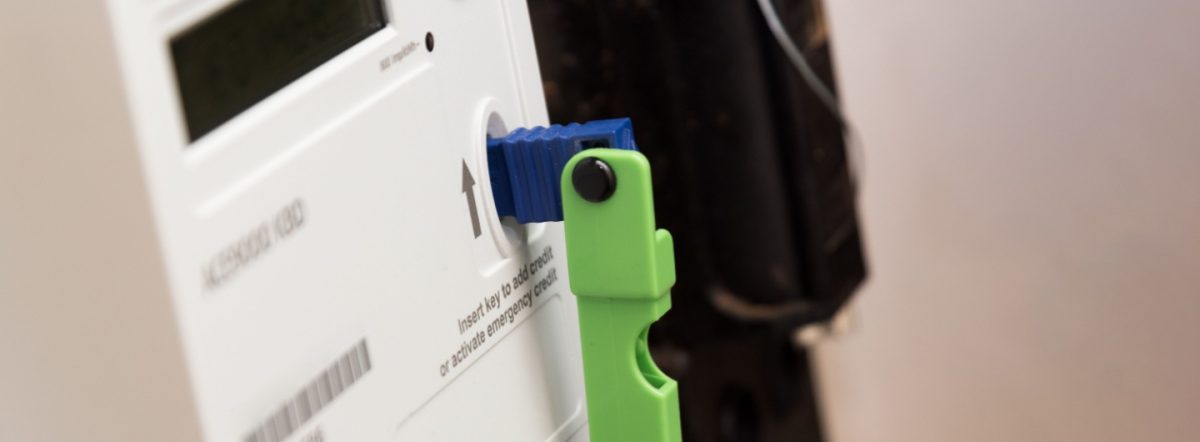
Ministers urged to halt forced prepayment meters amid secret court hearings concerns

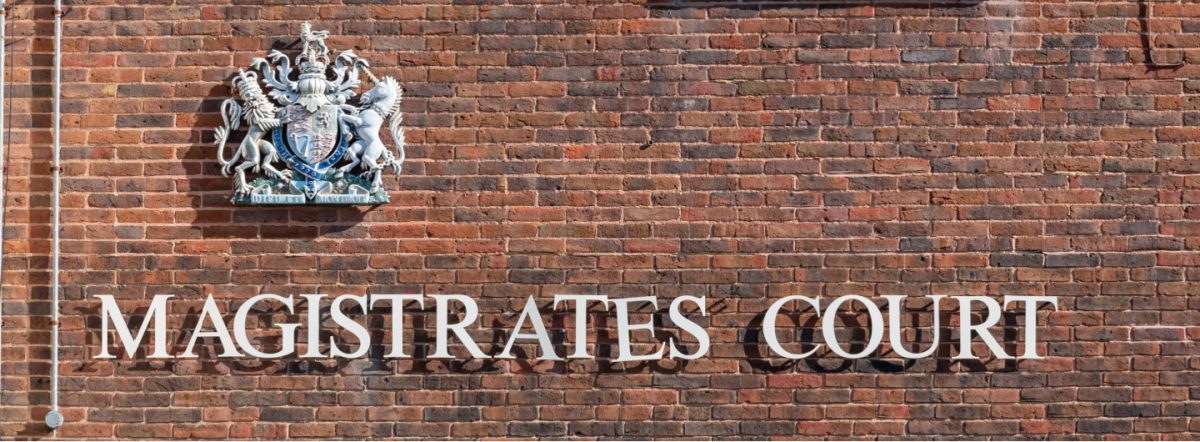
Campaigners have written to the Government and Ofgem demanding an immediate new pause on forced prepayment meter installations, after fresh revelations that magistrates’ courts are continuing to approve bulk warrants through secret hearings.

In a letter sent to the Minister for Energy Consumers, the Minister for Courts and Ofgem’s Chief Executive, the End Fuel Poverty Coalition warns that households are still being subjected to forced entry and involuntary meter installations despite the scandal that first emerged more than three years ago.

The intervention follows recent reporting by journalist Tristan Kirk revealing that magistrates are routinely sitting in private and approving large batches of energy company warrant applications without examining individual cases. In some instances, courts reportedly approved hundreds of warrants after reviewing only a small “sample”, even when errors had already been identified.

The letter notes that these concerns have now prompted the Chief Magistrate to launch a formal review of the warrant system. However, the End Fuel Poverty Coalition has suggested that allowing forced installations to continue while the court process itself is under investigation leaves households at ongoing risk.

“These secret court hearings effectively punish households simply because they are struggling to pay their energy bills,” the letter states. “Many of those affected are already living in cold, damp homes and facing record levels of energy debt. Continuing forced action under a system now acknowledged to be under review is indefensible.”

The Coalition is calling for an immediate and comprehensive pause on all forced prepayment meter installations and warrant-based forced entry until:

– The Chief Magistrate’s investigation is completed and published in full

– Transparency is restored to the court process

– Ofgem concludes its long-running investigation into British Gas and affected customers are fully compensated

– Clear, enforceable protections are in place to prevent further harm.

A spokesperson for the End Fuel Poverty Coalition, said:

“It is extraordinary that more than three years after this scandal first broke, families are still being dragged through secret court processes that even now appear to lack basic safeguards.

“We now have confirmation that the Chief Magistrate is reviewing how these warrants are being issued. The only responsible response is to pause forced prepayment meters immediately, until that investigation is complete and the system is shown to be lawful, transparent and safe.

“No household should face forced entry into their home because they are in energy debt, especially when the process authorising that entry is itself under serious question.”

The Coalition also raised renewed concerns about the continuing delay in Ofgem publishing the outcome of its enforcement investigation into British Gas, which was launched following the original forced PPM scandal and has now been running for almost three years.

ENDS

The letter can be read online as a pdf.

More on the history and background of the Forced PPMs scandal: https://www.endfuelpoverty.org.uk/about-fuel-poverty/forced-pre-payment-meter-transfer/

Price cap tweaks fail households as cold snap hits the country

A marginal change to the energy price cap will put more pressure on struggling households this winter, campaigners have warned, with average bills still set to remain almost £700 higher than before the energy crisis.

Even when the changes to bills announced in the recent Budget come into effect in the spring of 2026, average energy bills will remain higher than they were in winter 2020/2021 and above the level of the price cap at the last General Election.

Meanwhile, evidence shows unsafe housing conditions are becoming entrenched. Almost a third (29%) of adults say they are unable to keep their home at the recommended minimum temperature of 18°C. [1]

For 14% of UK adults, the situation is so severe that they consider themselves to live in cold, damp homes, with much higher rates among low-income households, families with children and people with long-term health conditions.

Campaigners warn that these conditions are not just uncomfortable, but dangerous.

Among those living in cold, damp homes, almost one in five (18%) say they have experienced high levels of carbon monoxide in their home in the past 12 months. [2]

Yet even as households face growing risks, regulatory decisions continue to protect industry returns.

In the detailed price cap documents, Ofgem confirmed that the Earnings Before Interest and Tax (EBIT) allowance built into the cap will rise by £1.51 per household from January to March 2026. This represents a 4% increase, potentially handing suppliers millions of pounds of extra profit while the average household energy bill will rise by 0.2 percent. [3]

More broadly, analysis shows that just 27 energy companies from across the industry have made more than £125bn in UK profits since 2020, forming part of more than half a trillion pounds in global profits across the sector during the energy crisis. More than four-fifths of those profits come from companies with extensive involvement in the gas industry.

But reliance on gas is not only driving bills and profits – it is also a shrinking and risky foundation for the UK’s energy system.

Official data shows the UK will no longer be able to meet national heating demand using domestically extracted gas from 2027, underlining the growing disconnect between record profits and a North Sea basin in long-term decline.

A spokesperson for the End Fuel Poverty Coalition, said:

“It really is a case of every little doesn’t help as cold weather grips the country and the price cap nudges upward.

“Households are facing their fifth winter of unaffordable energy bills. For millions of people, this cold isn’t an inconvenience, it’s a real risk to health and safety as they struggle to keep homes warm.

“More households are being pushed into cold, damp homes where cutting back on heating, delaying repairs and blocking ventilation increases the danger of carbon monoxide exposure.

“At the same time, the energy industry has made more than £125bn in UK profits since 2020, including firms operating in a declining North Sea. Ministers must act now by funding the Warm Homes Plan, fixing energy pricing and introducing a fair social tariff so people can stay safe every winter.”

ENDS 

[1] Opinium conducted an online survey of 2,000 UK adults between 25th and 27th November 2025. Results have been weighted to be nationally representative.
18 degrees centigrade is the level advised by World Health Organisation experts to reduce the risk of illness. Telfar Barnard L, Howden-Chapman P, Clarke M, Ludolph R. Web Annex B. Report of the systematic review on the effect of indoor cold on health. In: WHO Housing and health guidelines. Geneva: World Health Organization; 2018 (WHO/CED/PHE/18.03). Licence: CC BY-NCSA 3.0 IGO.

[2] Carbon monoxide, which is colourless, odourless and potentially fatal, is produced by faulty or poorly ventilated gas appliances, with risks increasing when heating systems are under-used or poorly maintained due to cost pressures. 

[3] See Ofgem summary of price cap changes pdf, p7.

Ofgem responds to energy debt crisis as MPs demand action

Ofgem has today announced plans to “reset and reform” how energy debt is handled, including a new Debt Relief Scheme that aims to write off up to £500m of historic arrears for around 195,000 households.

The regulator says the first phase will focus on people on means-tested benefits with debts built up during the energy crisis, alongside new rules to support customers in difficulty and reforms designed to stop debt building up in future.

Ofgem also plans trials to change how energy accounts are set up when people move home, and will introduce a new “Know Your Rights” guide for consumers. The full consultation will be published in the coming weeks, with the scheme expected to launch in early 2026.

A spokesperson for the End Fuel Poverty Coalition, commented:

“We welcome Ofgem recognising the scale of the energy debt crisis and we are broadly supportive of the Debt Relief Scheme, but announcing plans before the consultation is even published raises questions about whether they’ve been bounced into action by this week’s Energy Select Committee report.

“In this report, MPs got it right: this energy debt crisis needs bolder, faster action and must be funded through excess energy industry profits, not pushed back onto struggling households.

“Bill-payers have already handed over hundreds of millions to cover debt recovery, yet energy debt has spiralled to £4.4bn. The current system has clearly failed, and unless Ofgem is given the powers to protect consumers properly, this crisis will keep repeating every winter.”

Tariffs with lower standing charges set to come to market

Energy suppliers will have to offer at least one “low standing charge” tariff from early next year.

A four-week long Ofgem consultation will open the door to the new arrangements, which the regulator says will give consumers more choice on how they pay standing charges. If approved, the plans will allow households to pay the costs of running the grid as part of their unit rate by lowering the daily fixed (standing charge) amount.

A spokesperson for the End Fuel Poverty Coalition, commented:
“Requiring suppliers to offer a lower standing charge tariff is a small step forward, but it is not a cure for people struggling with high energy bills and fuel poverty.

“Prepayment meter customers in particular face the greatest detriment from high standing charges, which build up as debt even while people are not using any energy at all. To make a difference, these tariffs must be available to everyone and they must be easy to compare with existing deals.

“The energy industry must make sure that households properly understand the deals they are signing up for – and if a lower standing charge option will benefit them or not.

“And this development doesn’t negate the need for long term reform to make the system fairer, provide support for households struggling with high energy costs, improve the energy efficiency of people’s homes and increase our energy security through more homegrown renewable power.”

A spokesperson for Independent Age, said:
“Older people on low incomes have consistently expressed their frustration with standing charges that can be unfair and excessive. Which is why we welcome Ofgem’s proposal for energy providers to deliver low standing charge tariff options from next year. For this policy to be a success, the regulator must ensure that suppliers make these tariffs easily accessible and provide the full picture regarding the benefits and drawbacks of switching to one.

“While welcome, this reform does not address the affordability crisis. The weather is starting to get colder and last winter was especially brutal for older people in financial hardships. We regularly heard from people in later life that were sitting in cold damp homes or visiting public places to stay warm. The UK Government cannot allow this to happen again.

“They were right to expand the eligibility criteria for the Winter Fuel Payment, but now it’s time to start lifting people out of fuel poverty. To do this, the UK Government should introduce a discounted energy social tariff that will finally make standing charges and unit rates more affordable for those in greatest need.”

National Energy Action said:
“Given the public anxiety about standing charges, any progress in this area is positive, but it’s taken a long time to make even this modest step forward and regardless, Standing Charges or unit charges recovered through the overall energy bills, will remain high and even increase.

“Ofgem’s proposals also won’t change the differences consumers pay depending on where they live in GB or how pre-payment households will still be disproportionately impacted by how these fixed or higher unit charges are recovered if they fall into further difficulties paying their energy bills.

“Much of this complexity is being left at the feet of consumers to work through and there is a big worry this could just cause even further disengagement or distrust in what is considered already a baffling market. Given that the main programmes which support energy advice have yet to be extended beyond March next year, the enhanced need for impartial and in-depth advice and support could create huge challenges.”

Jonathan Bean from Fuel Poverty Action, commented:
“Yet again, Ofgem is pretending to help struggling households but is actually protecting energy firms.  Instead of tackling the excessive energy industry profits, costs and levies buried in standing charges, it is now trying to hide them in unit costs. People will be left confused instead of protected.”

“This latest Ofgem plan is designed to distract us from high energy prices which are up 70% over five years, despite Government promises to reduce them.  People don’t want more confusing options, they just want affordable energy.”

“The government cannot keep hiding behind Ofgem.  It must now step in to bring down energy bills before more people get sick and die in cold homes this winter.”

Smart meters must work for all consumers

Ofgem has announced that consumers will see greater levels of compensation in the event of smart meter failures.

A spokesperson for the End Fuel Poverty Coalition, commented:

“We must ensure that electricity pricing is fair and that everyone can access cheaper ‘time of use’ tariffs. Millions of people have been left behind in the smart meter roll out already and it is vital that the energy industry fixes problems with existing meters and compensates customers for failures.

“The main issues with smart meters are when they don’t communicate with the supplier and that is the fault of the Data Communications Company (DCC) and we are concerned that this fault will be exempt from compensation as it could be argued to be outside of the suppliers’ control.

“What’s more, when faults with smart meters are ongoing, it means that even people who want a smart meter may not be able to access from the best tariffs available. This is an issue not one which can’t be dealt with simply by a one off payment.

“And with the North Sea geologically unable to meet our gas heating needs for much longer and the UK set to rely on imports for 94% of its gas by 2050, we must be accelerating efforts to reform electricity pricing, not embedding unfairness. Access to smart tariffs must be universal, and smart meter failures must not become yet another reason why the most vulnerable pay more for energy.”

Smart meter rule changes needed as July price cap change comes in

Britain’s smart meter rollout must provide stronger protections for those left without functioning meters or denied access to cheaper energy tariffs.

In its submission to Ofgem’s consultation on Smart Meter Guaranteed Standards of Performance, the End Fuel Poverty Coalition said the regulator’s proposals “do not go far enough” and risk “letting down the very people most in need of support.”

The warning comes as the 1 July energy price cap change comes into effect and millions of households are expected to start shopping around for better energy deals. Many of the most competitive tariffs are now only available to customers with working smart meters.

Consumers without functioning smart meters, or who have been unable to get one installed, are often excluded from these deals, further widening the gap between those who can and cannot afford to heat their homes.

“This is fast becoming a two-tier energy system,” the report warns. 

“Households without smart meters, often through no fault of their own, are now locked out of the most affordable tariffs. This creates a form of discrimination and risks trapping more people in fuel poverty.”

The Coalition’s submission lays out two key categories of compensation. First, it recommends quarterly automatic compensation for ongoing failures such as:

  • A smart meter not being connected by the Data Communications Company (DCC).
  • Areas with no DCC coverage despite consumer requests.
  • Installation failures in buildings with architectural challenges (e.g. stone walls, first-floor flats).
  • Smart meters that fail to communicate with suppliers or the DCC.
  • Smart meters that don’t work properly after installation.

Secondly, it calls for one-off automatic payments for each occasion where:

  • Meter readings are recorded incorrectly during installation.
  • Installation appointments aren’t provided within a set timeframe.
  • Engineers miss scheduled appointments.
  • Installations fail due to supplier-related issues.

The Coalition says that suppliers should be required to pay compensation even when third-party organisations are at fault, and then reclaim the cost from those responsible in a significant departure from the current system. 

It warns that current proposals rely on the phrase “within a supplier’s control” before compensation can be paid out which risks creating loopholes that allow firms to dodge accountability.

Separately, the Coalition has raised concerns with regulators about the impact of increasing reliance on time of use tariffs on vulnerable groups who have less ability to shift demand to alternative times of the day.

A spokesperson for the End Fuel Poverty Coalition commented:

“Smart meters can be a force for good, helping households manage their usage, access better tariffs, and reduce costs. But we need to remember those households who are unable to access these tariffs.

“It’s time for energy companies to take full responsibility for the broken smart meter rollout. Consumers have already paid billions for this programme through their bills, yet they are the ones being left without working meters, without access to the best tariffs, and without proper compensation.

“All of these issues are happening at the same time as we see ongoing structural problems in the UK’s energy pricing system continue to drive up the cost of electricity, which remains closely linked to volatile global gas markets under the marginal pricing model.

“The geological reality is that the North Sea basin is dying and there are limited levels of gas for home heating left, the UK is simply running out of gas. No amount of new drilling will stop Britain’s deepening dependency on foreign gas.

“The sooner households are supported to move to alternative heating and cooking systems the better.”

ENDS

The full response to the Ofgem consultation is available to read as a pdf.

Looming crisis for 300,000 households on RTS meters

Ministers and Ofgem have been warned of a “looming crisis” for households on old-style Radio Teleswitch Service (RTS) meters in a letter from the End Fuel Poverty Coalition.

The stark warning comes as the RTS meter replacement programme shows signs of failing meaning urgent action will be needed to prevent vulnerable households potentially being left without heating and hot water.

In a letter addressed to Miatta Fahnbulleh MP, Minister for Energy Consumers, and Ofgem Chief Executive Jonathan Brearley, the Coalition raised serious concerns about the pace and communication of the meter replacement effort, which affects hundreds of thousands of households across the UK.

The RTS system – used by older electricity meters to control heating and hot water – will be switched off later this year. If an RTS meter is not replaced before the service is switched off, households risk losing access to heating and hot water, particularly where electric storage heating is used. 

Customers may also lose the ability to access cheaper off-peak tariffs, leading to higher energy bills, and could face inaccurate or inconsistent billing or in some cases, the meters may stop working properly altogether. 

Ofgem has been running a public awareness campaign on the issue with Lorraine Kelly explaining how to check for an RTS meter.


But the Coalition says the replacement programme is falling dangerously behind schedule, with energy suppliers unable to meet existing targets and thousands of customers, especially in rural Scotland, still without a plan for replacement.

“Based on our members’ conversations with energy suppliers, we estimate that in Scotland alone, tens of thousands of RTS meters are yet to be addressed, leaving many consumers in limbo,” the letter states.

The letter also challenges the lack of clarity around the regulator’s “no detriment” commitment, which is designed to ensure that people who move from an RTS meter to a new connection do not have to pay more for their energy. 

However, there are warnings that without firm guarantees on this commitment, vulnerable consumers could face higher costs or service disruptions.

Further concerns are also raised about contradictory advice being issued by energy firms to consumers and inconsistent billing practices, with reports of customers being charged double standing charges due to legacy meter configurations.

BBC Radio 4’s You and Yours programme on 28 April highlighted the concerns raised in the letter and an Energy UK spokesperson told the programme that at the end of March 2025, 430,000 households remained on an RTS meter and efforts to replace them stood at 1,000 installations a day.

Simon Francis, coordinator of the End Fuel Poverty Coalition, commented: 

“Our member organisations across the country will continue to do all they can to support the transition and raise awareness of the switch, but urgent action is now required. There is a very real risk that over 300,000 households will find their RTS meter stops working come 1 July 2025.

“With pressures on the replacement programme growing and with limited engineer availability, especially in rural areas, there’s a real risk of prolonged disruption, particularly for vulnerable households.

“Government, regulators and energy firms need to face up to the looming crisis and ramp up efforts to help people switch. At the same time we now need to ensure contingency measures are in place for those who do not make the deadline and require energy suppliers to ensure fair metering and billing practices.”

The letter was also copied to devolved administrations in Scotland and Wales, including Gillian Martin MSP and Rebecca Evans MS.

Frazer Scott, Chief Executive of Energy Action Scotland, said:

“Time and time again consumers are left in the dark by the Government and an energy industry failing to deliver on its promises to deliver improvements. 

“Let’s not forget that many of these firms are making significant profits from customers and yet their customers, including many vulnerable people, may be left without working heating and hot water or facing the prospect of spiralling costs in just a few weeks time. 

“The impact of failure in the switchover process on the health and wellbeing of people across Scotland don’t bear thinking about.”

ENDS

The letter can be read in full in this pdf.

Image of an RTS meter by Richard Harvey – Own work, Public Domain, Wikipedia: https://commons.wikimedia.org/w/index.php?curid=3063595

Campaigners urge stronger action on energy standing charge tariff reform

Charities and consumer groups have warned that Ofgem’s proposals for standing charge reform could see many households end up worse off if they accept one of the proposed tariffs. 

In a submission to the official consultation on the issue, the End Fuel Poverty Coalition describes how consumers would only need to use half of the “typical domestic consumption values” before their bills increase if on a “zero standing charge” tariff.

Given the risks posed by the proposals, campaigners stress that the consultation should proceed with extreme caution and only after thorough piloting and evaluation to assess potential negative impacts on consumer behaviour.

A spokesperson for the End Fuel Poverty Coalition explains the concerns: 

“In essence, the proposals create only two groups who might see savings.

“Firstly, those who drastically self-ration or self-disconnect from energy, potentially putting their health and well-being at risk. There can be no ethical justification for forcing households to reduce energy use to dangerously low levels in order to maintain the benefits of a particular tariff.

“The second group who may benefit are those who can minimise usage through smart technology, but this risks creating further inequality in the energy market due to ongoing issues with smart meter rollout.”

Other concerns expressed by the Coalition argue that the proposals do not move costs away from energy bills and simply “rearrange the deckchairs”, that they present a flawed version of rising block tariff for consideration and do not contain wider proposals for reform previously put forward (pdf).

It is argued that the current consultation also fails to address the unfair burden of standing charges, particularly for prepayment meter customers, who often accrue standing charge debt when disconnected. 

National Energy Action warns that under the next price cap, some gas prepay users could face nearly £60 in charges before they can reconnect their supply and that 67% of prepayment users expect to ration their energy, highlighting the financial hardship imposed by the existing system. 

Unlike other consumers, prepayment customers often lack a direct relationship with suppliers, making it unlikely they will switch to proposed zero-standing charge tariffs.

Campaigners are calling for more targeted policy solutions, including shifting standing charge accrual to the back of prepayment meters to prevent debt accumulation. They argue this measure would be minimally disruptive for suppliers while significantly helping vulnerable households.

The spokesperson continued:

We know that some of these issues need to be addressed working with the Government and are not in Ofgem’s gift. We urge the regulator to think again and meet with Ministers to discuss how their decisions can positively alter the affordability of energy bills, avoid discriminatory pricing and deliver longer-term reforms that bring down the cost of energy.

ENDS

Full consultation response available: https://www.endfuelpoverty.org.uk/news/reports-and-correspondence/ 

Households face 6.4% energy bills hike, but Warm Home Discounts to be expanded

Ofgem has announced the energy price cap for April to June is now set to rise by 6.4% from current levels meaning an average annual bill of £1,849 for households paying by direct debit.

This means the average household is set to pay over £800 more per year for their energy compared to winter 2020/21 – a 77% increase. 

The Ofgem price cap means that energy firms should not charge more than the set rate for unit rates and daily standing charges for those on standard variable tariffs.

The cost of every unit of gas used will surge by over 10%, meaning the cost of gas is now double what it was in winter 2020/21. 

Every unit of electricity will go up almost 9%. Around 97% of the time the cost of electricity is also driven by the price of gas due to the country’s energy system.

Also included in the small print is a clause that will allow energy suppliers to increase the profits (EBIT) made on every customer’s bill by 4.1% compared to the current quarter. The wider energy industry has already made £483bn in profit over the course of the energy bills crisis.

Taking into account price changes and government support over time, the total extra cost that the average household has had to find for their energy will reach £3,039 by the end of June 2025. [1]

Ministers have announced that the Warm Home Discount scheme will be expanded from winter 2025/26 to help an additional three million households while debt relief programmes will be improved following a consultation by Ofgem.

Simon Francis, coordinator of the End Fuel Poverty Coalition, commented:

“The soaring cost of gas is driving the current spike in energy bills and the only way out of the problem is to continue drives to improve our energy security and for the Chancellor to announce a £13.2bn, fully-funded, Warm Homes Plan in the Comprehensive Spending Review.

“But alongside the transition away from reliance on gas, it’s crucial to provide support for vulnerable households struggling with energy costs now.

“Ministers are right to be focused on improving the Warm Home Discount scheme and on energy debt, which continues at record levels because households have to find more even money to use the same amount of energy.

“The big question will be how do we pay for these improvements in support. Both Warm Home Discounts and debt relief are traditionally funded through our energy bills. Yet the energy industry makes billions of pounds in profit every year and it beggars belief that Ofgem is increasing the profit and headroom allowances for suppliers in the current climate.

“For now, the advice for households is to make the most of existing energy efficiency schemes and if customers do shop around for a lower energy bill, they must use their own energy usage on price comparison sites. Bills can vary greatly due to different rates for every unit of energy used and the daily standing charges so it pays to be aware of how these might affect the total bill.”

Caroline Simpson, Warm This Winter campaign manager, commented:

“Yet another price cap rise is devastating news but billpayers need to know it is caused because global gas prices are soaring due to factors outside of our control and profiteering energy giants such as Centrica and Norwegian-owned Equinor, the biggest supplier of gas to the UK, who make billions of pounds each year out of our misery.

“It is therefore crucial that the government presses on with plans to fix this broken system and boost our energy security by rapidly increasing our supply of homegrown clean energy to free us from expensive gas and bring down bills for everyone for good.

“This must come alongside reform of electricity markets, investment in energy efficiency in our homes and financial support with the cost of energy for the most vulnerable households.”

James Watson-O’Neill, Chief Executive of the national disability charity Sense, said:

“Yet another increase in the energy price cap – the third in a row – will dismay many disabled people.

“Disabled households are telling us they’re living in crisis. The need to power crucial equipment, such as feeding machines and hoists, means many disabled people have no choice but to use extra energy. Our research clearly shows that many disabled people with complex needs are already struggling to afford their energy bills, with more than two in five (42 per cent) telling us they can’t afford to keep their home warm enough.

“Disabled people are more likely to be in fuel poverty than non-disabled people, and we know it’s not just extra energy bills that can hit hard. There are also the extra costs associated with specialist diets, insurances, therapies and accessible transport that disabled people need to contend with. An increase in energy costs is the last thing disabled people need.

“There is no end in sight and disabled people cannot be left waiting any longer for targeted help with their energy bills. We need the government to urgently implement a social energy tariff, to help level the playing field for those who rely on energy-intensive equipment.”

ENDS

[1] Data for excess costs above winter 2020/21 baseline is available from our page on the Ofgem price cap.

Cap change date Average household energy bill (GBP) Amount above GBP1,042 per household (weighted for the number of months in price cap period)
01-Oct-20 £    1,042 Baseline 
01-Apr-21 £    1,138 £                                48
01-Oct-21 £    1,277 £                              118
01-Apr-22 £    1,971 £                              465
01-Oct-22 £    2,100 £                              529
01-Apr-23 £    2,500 £                              365
01-Jul-23 £    2,074 £                              258
01-Oct-23 £    1,834 £                              198
01-Jan-24 £    1,928 £                              222
01-Apr-24 £    1,690 £                              162
01-Jul-24 £    1,568 £                              132
01-Oct-24 £    1,717 £                              169
01-Jan-25 £    1,738 £                              174
TOTAL   £                           2,837
01-Apr-25 £    1,849 £                              202
TOTAL   £                    3,039


​​

Energy bills up as some pensioners face worst prices on record

The average household energy bill is to increase by £149 from 1 October after Ofgem said it was hiking its price cap by 10% from the current £1,568 for a typical household in England, Scotland and Wales to £1,717.

Meanwhile, analysis by the End Fuel Poverty Coalition has found that in real terms, the changes this winter mean that some older people will face the highest energy bills on record.

A spokesperson for the End Fuel Poverty Coalition, commented:

“With energy bills for the winter ahead now confirmed as being 65% above where they were before the crisis, the Government needs to come up with a plan to prevent even more households entering fuel poverty this winter.

“Ending energy debt, extending the Household Support Fund, expanding Warm Home Discounts and evolving standing charges would all help mitigate the impact of high bills and the axe to the Winter Fuel Payment.

“But as well as support this winter, the public need to see a clear timetable for when the very real benefits of cheaper renewable energy and the Warm Homes Plan will kick in.

“To add insult to injury, in the detail of today’s Ofgem announcement is the fact that the profit margins energy suppliers are allowed to make will increase by 11% [pdf, page 4].

“Add to this that every month we hear about more massive profits for firms in the wider energy industry. It’s time to tax these firms fairly – not just the fossil fuel producers – and use the money to keep people warm now and in the long term.”

Warm This Winter spokesperson Fiona Waters said:

“This price hike is yet another blow to the millions in fuel poverty who, like every other bill payer in the UK, are still forking out 65 percent more than they did for their energy than at the start of the crisis.

“Meanwhile energy companies have been profiteering, making more than £470 billion since 2020. That shows there is money in the system but that is going to energy bosses and their shareholders, when it needs to go to ordinary people.

“Today just highlights the Government’s policies on renewables and energy efficiency are needed to mend this broken system but we also need help now to get everyone of all ages through the winter ahead.”

Richard Kramer, Chief Executive of the national disability charity Sense, said:

“This increase in the energy price cap will be very alarming for many disabled households, who face unavoidable extra energy use for essential equipment such as powered chairs and feeding machines. This is a stark reminder that the cost-of-living crisis is far from over, and disabled households still need extra support.

“We would like the government to implement a social energy tariff, which would help level the playing field for disabled people who rely on energy-intensive equipment. Disabled people cannot be left waiting any longer for targeted help with their energy bills.”

More reaction to follow