News

Fuel poverty fight enters a new phase as hard work on Warm Homes Plan begins

The Government’s new £15bn Warm Homes Plan has been welcomed as a potential breakthrough in tackling cold, damp housing, cutting energy bills and slashing carbon emissions.

But campaigners have warned that the Plan [pdf] must avoid the failures of previous schemes, remain focused on helping those most in need, and be backed by strong consumer protections and reform of the wider energy system.

The Plan is built around three main pillars:

  1. Targeted support for low-income households: with £5bn in grants to fund insulation, heat pumps, solar panels and batteries.
  2. Universal loan offers: low- and zero-interest finance for any homeowner to access rooftop solar, heat pumps or battery storage.
  3. New protections for renters: including upgraded energy efficiency standards for the private rented sector.

The Plan is necessary to help address the long-term health impacts of living in cold damp homes and the 12.1m households who struggle with energy bills.

Andrew McCracken, Director of External Affairs at Asthma + Lung UK, explains: “Living in a cold, damp or mouldy home puts people at increased risk of developing serious lung conditions and can cause life-threatening asthma attacks and exacerbations of chronic obstructive pulmonary disease (COPD).

“Poor housing is a key determinant of lung health, so with survey data showing that more than one in five people with lung conditions are living in cold or damp housing, it’s little wonder the UK has the highest rate of deaths from lung disease in Europe.”

Simon Francis, Coordinator of the End Fuel Poverty Coalition, added: “The lifeblood of the Plan amounts to a rescue mission for the coldest, dampest homes in Britain – and this must be the priority. Combined with long-overdue improvements to conditions in the private rented sector, it could save lives, cut NHS costs and permanently slash energy bills for those in fuel poverty.”

So while campaigners have praised the cross-government approach to tackling fuel poverty and the Warm Homes Plan’s ambition, many have warned it must be properly implemented and locally led.

Graham Duxbury, Groundwork UK’s Chief Executive, said: “There’s much to commend in the Warm Homes Plan.  We particularly welcome the worst-first approach, the area-based model and the emphasis on local job creation. This is the right long-term strategy but we know it won’t solve the problems of acute fuel poverty and energy debt overnight.  We also know that, without additional support, those living in more vulnerable or challenging circumstances may not benefit.”

Kate Meakin, director of Energise Sussex Coast, warned: “Insulating homes is a permanent solution to end fuel poverty… However, if this Plan is to avoid past failures, there must be a mandatory requirement for real-world performance to be monitored after installations are complete – as well as a Warm Homes Guarantee that ensures that every household that receives support actually sees their bills come down.”

The Warm Homes Guarantee, proposed by the End Fuel Poverty Coalition, is built around quality advice on the right installations to deliver, enhanced consumer protections and a promise that every upgraded home will see bills come down. As Graham Duxbury explains, we “would like to see up-front community engagement to ensure widespread take-up and post-installation support to ensure householders gain the full benefit of any measures installed.”

Jonathan Bean from Fuel Poverty Action also highlighted the “catastrophic failures” in the defective ECO4 and GBIS schemes, urging the Government to support households affected while also boosting skills training.

Joanna Elson, Chief Executive of Independent Age also warned that while the development of the Warm Homes Agency has the potential to significantly improve access information and advice about upgrading homes to bring down energy bills, this should not be overly reliant on digital tools: “It is essential that there are national and local services that are accessible to them, including for the digitally excluded.”

Others welcomed minimum energy efficiency standards for private rentals, but raised red flags over key exemptions. Niamh Evans of the Renters Reform Coalition said:

“The Government’s choice to lower the cap on landlord spending from £15k to £10k means many tenants stuck in some of the worst insulated homes will be left in the cold and their landlords won’t be required to bring up to EPC C. We’re also concerned that the government has still not set out plans to protect renters from rent increases or evictions following upgrades linked to the scheme.”

Members of the Coalition suggest that spend caps for landlords make little sense and should at least take account of inflationary pressure and cost disparity in different locations.

Joanna Elson added: “Older people with a lower income are more likely to live in rented homes of a lower value and at lower standards. These decisions may leave some of those most at risk continuing to pay more to keep their home warm or force them to go without warmth entirely. We are urging the UK Government to ensure that homes that need the most improvement benefit fully from the Minimum Energy Efficiency Standard.”

Meanwhile, experts also highlighted the need for wider reforms to work alongside the Plan and the newly published fuel poverty strategy.

Tessa Khan, executive director of Uplift, said: “A Warm Homes Plan is desperately needed, with world events once again highlighting the UK’s vulnerability from our over-reliance on gas for heating. We can no longer bank on the North Sea because, after 50 years of drilling, the UK has now burned most of its gas.

“Ending this dependency, by ensuring our homes are more energy efficient – particularly for those on lowest incomes – and powered by renewable energy, is both pragmatic and the right thing to do for ensuring we have affordable energy.

Chris Galpin, Senior Policy Advisor at E3G, said: “Stronger building efficiency standards will be life-changing for many renters – slashing their bills by hundreds of pounds a year, as well as keeping their homes drier and healthier. But more still needs to be done to protect households with electric heating, who are twice as likely to face fuel poverty as other households.”

Frazer Scott from Energy Action Scotland added that while the Plan needs to be clearer about what funding is UK and what is devolved, the announcement was also “another lost opportunity to at least signal consideration of a social tariff for energy users.”

Therefore, while the Plan and the fuel poverty strategy bring together many long-standing policy asks, the End Fuel Poverty Coalition is now developing the next steps required to ensure it fulfils its potential, this includes:

  • Full transparency on funding: distinguishing new investment from previously announced budgets and clarity on devolved settlement.
  • Action on electricity pricing, to make electric heating cost-competitive and fair.
  • Robust standards, consumer protections and oversight through a Warm Homes Guarantee to avoid a repeat of past failings.
  • Increase the landlord spending cap to £15k, safeguards to stop landlords fiddling with Energy Performance Certificates, a prevention of rent increases or evictions due to improvements and a robust defence of the proposed policy in light of likely lobbying from landlords’ groups.
  • More interim financial support, such as Cold Weather Payments reform, Warm Home Discount extension and energy debt relief (over an above the latest proposals from Ofgem) while upgrades are rolled out and a long term social tariff is developed.

ENDS

Warm Homes Plan launched to upgrade homes and cut energy bills

The Government’s £15bn Warm Homes Plan promises to tackle fuel poverty, cut bills and reduce emissions through three main pillars:

  • Targeted support for low-income households,
  • A universal loan offer for solar panels, batteries and heat pumps, and
  • New protections for renters living in cold, damp, or mouldy homes.

Campaigners have welcomed the Plan with its potential to improve conditions in the coldest homes, through insulation, heat pumps and solar panels. Although its success in reducing fuel poverty will be judged on real delivery, strong consumer protections and a focus on the people most in need.

A spokesperson for the End Fuel Poverty Coalition commented:

“The lifeblood of the Plan amounts to a rescue mission for the coldest, dampest homes in Britain – and this must be the priority.

“Combined with long-overdue improvements to conditions in the private rented sector, it could save lives, cut NHS costs and permanently slash energy bills for those in fuel poverty.

“Achieving this, while also inspiring a rooftop and heat pump revolution through loans and subsidies, will require a national effort. There will also need to be reforms which go beyond this Plan, such as bringing down the cost of electricity and providing financial support with energy costs while households wait for improvements to be installed.

“Above all, any use of public funds must come with a Warm Homes Guarantee, built around quality advice on the right installations to deliver, enhanced consumer protections and a promise that every upgraded home will see bills come down.

”If delivery matches ambition then this could be the biggest breakthrough in tackling cold damp homes in a generation, but now the hard work begins.”

Adam Scorer, Chief Executive at National Energy Action, added:

“People struggling in fuel poverty desperately need the Warm Homes Plan. Cheaper energy costs, efficient heating systems and homes that keep the warmth in, are all essential for the plan to succeed. There is a lot of work to be done, but today’s publication and commitment to lift a million households out of fuel poverty is a welcome, landmark occasion.”

Tessa Khan, executive director of Uplift, said

“A Warm Homes Plan is desperately needed, with world events once again highlighting the UK’s vulnerability from our over-reliance on gas for heating.

“Ending this dependency, by ensuring our homes are more energy efficient – particularly for those on lowest incomes – and powered by renewable energy, is both pragmatic and the right thing to do for ensuring we have affordable energy.

“We can no longer bank on the North Sea because, after 50 years of drilling, the UK has now burned most of its gas. Regardless of any new drilling, the UK will be dependent on gas imports for nearly two thirds of its gas in just five years time and almost 100 per cent by 2050, unless we shift away from gas.

“An ambitious warm homes plan, properly implemented, will reduce our exposure to price shocks and mean we are not at the mercy of bad actors like Putin or the whims of Trump.”

Nick Davies, Head of Climate Policy at Green Alliance, said:

“Everyone has a chance to lower their energy bills with clean technologies under the government’s new Warm Homes Plan. That’s critical because rollercoaster global gas prices have fuelled a cost of living crisis which means energy bills remain far too high.

“Supporting more households to afford the upfront costs of installing solar panels or switching to ultra-efficient electric heat pumps will help to cut bills, reduce our reliance on imported gas and keep the climate safe for our children.”

Years of new North Sea licenses produced 36 days of gas

New analysis by energy consultancy Voar shows that hundreds of oil and gas licences handed out by the previous government have delivered almost nothing in return.

Research by energy consultancy Voar found that seven licensing rounds between 2010 and 2024 led to just 20 new and re-licensed fields, which together have so far produced the equivalent of just 36 days of gas.

Even over their full lifetimes, those fields are expected to deliver less than six months of gas in total. Polling now shows public support for this shift, with a majority of Scots surveyed backing a move away from oil and gas and strong support for prioritising clean energy as the route to long-term jobs and investment.

Meanwhile, the chair of the Scottish Affairs Committee of MPs has claimed the Government should weaken the windfall tax on oil and gas companies, despite ministers reaffirming that the Energy Profits Levy will remain in place until March 2030 at the latest and be replaced by a reformed mechanism thereafter

A spokesperson for the End Fuel Poverty Coalition, commented:

“There is a real risk to households in clinging to a broken system that delivers high bills and volatile prices as the North Sea runs out of gas.

“Hundreds of licences handed out over the past decade have delivered barely a month’s worth of gas, while oil and gas jobs have more than halved. This industry is in geological decline, whether politicians like it or not

“Despite this, just 27 energy firms have made around £40 billion in UK profits in the last two years, even with the Energy Profits Levy in place. That is why the levy must continue, and why it must be followed by a stronger, reformed mechanism after 2030 that ensures energy companies contribute fairly while households are still struggling.

“But taxation alone is not enough. The UK needs a properly funded plan to manage the decline of the North Sea in a way that protects workers and communities, cuts bills, invests in clean energy and upgrades cold, leaky homes.

“The real test now is whether politicians will commit to delivering secure jobs, affordable energy and an end to fuel poverty, or if they allow the same broken system to keep failing people.”

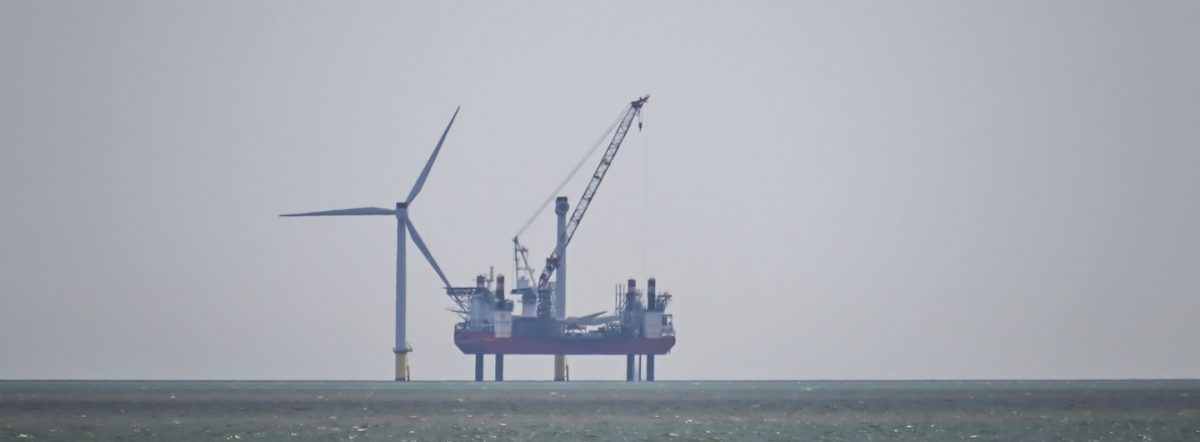
Wind power shows how Britain can cut bills and create jobs

A raft of new renewables have been approved by Ministers to help secure Britain’s energy supply and protect households from price shocks linked to the cost of gas.

12 offshore wind projects have been given permission for development with an average wholesale cost of £90 per megawatt hour of energy generated (£90/mwh). In 2026 to date the cost of electricity generation has been around £94/mwh. The projects are expected to create at least 7,000 jobs.

Data from ECIU suggests that without wind power on the grid, the cost of electricity in 2025 could have been as high as £121 per MWh meanwhile, experts claim that new gas-fired power plants are unable to generate electricity much below £150/mwh.

Gas-fired electricity-generating power stations have also been controversial for charging extortionate rates to operate during peak demand times, making profits which were not subject to the Windfall Tax.

A spokesperson for the End Fuel Poverty Coalition commented:

“These auction results are exactly the kind of outcome households need after years of volatile bills driven by fossil fuels.

“Wind power is already cutting prices by pushing expensive electricity generated by gas-fired power stations off the system and this trend looks set to continue. With the North Sea running out of gas and new gas power plants taking close to a decade to deliver, renewables create a credible route to more stable pricing and energy security.

“But lower costs on paper must translate into lower bills in reality.

“Consumers need full transparency on how these contracts will affect prices, clear limits on excess profits across the energy industry and electricity pricing reform so the savings from clean power are properly passed through.

“If that happens, today’s announcement can be a real step towards ending fuel poverty, not just hitting targets.”

Life in cold, damp homes doesn’t pause for the Scottish campaign trail

The Scottish Budget includes welcome funding for energy efficiency, housing and the transition to clean energy. It also includes significant support with the cost of living, including extension of help for families with young children and tax reforms designed to reduce the income tax paid by over half of the country.

But with an estimated 800,000 Scottish households living in fuel poverty and energy debt continuing to rise, a spokesperson for the End Fuel Poverty Coalition commented:

“Any investment that helps make homes warmer and provides support to struggling households will matter to many people. But after five winters of high energy bills, this Budget still does not match the scale of the fuel poverty challenge facing Scotland.

“With an election approaching, it’s understandable that politicians may be tempted to keep their powder dry. But cold, damp homes and rising energy debt won’t pause for the campaign trail. There is no excuse for inaction when hundreds of thousands of households are struggling to stay warm.

“Against that backdrop, inflation-linked increases to energy efficiency budgets means the country will risk standing still rather than moving forward. We need a step change, not business as usual.

“The current Government should use the months before the election to build a far more ambitious programme where warm homes are treated as national infrastructure and where crisis funding is in place for winter 2026/7.

“Meanwhile, Ministers must press harder for UK-wide energy pricing reform, so households are not left dependent on emergency support year after year.”

Ministers urged to halt forced prepayment meters amid secret court hearings concerns

Campaigners have written to the Government and Ofgem demanding an immediate new pause on forced prepayment meter installations, after fresh revelations that magistrates’ courts are continuing to approve bulk warrants through secret hearings.

In a letter sent to the Minister for Energy Consumers, the Minister for Courts and Ofgem’s Chief Executive, the End Fuel Poverty Coalition warns that households are still being subjected to forced entry and involuntary meter installations despite the scandal that first emerged more than three years ago.

The intervention follows recent reporting by journalist Tristan Kirk revealing that magistrates are routinely sitting in private and approving large batches of energy company warrant applications without examining individual cases. In some instances, courts reportedly approved hundreds of warrants after reviewing only a small “sample”, even when errors had already been identified.

The letter notes that these concerns have now prompted the Chief Magistrate to launch a formal review of the warrant system. However, the End Fuel Poverty Coalition has suggested that allowing forced installations to continue while the court process itself is under investigation leaves households at ongoing risk.

“These secret court hearings effectively punish households simply because they are struggling to pay their energy bills,” the letter states. “Many of those affected are already living in cold, damp homes and facing record levels of energy debt. Continuing forced action under a system now acknowledged to be under review is indefensible.”

The Coalition is calling for an immediate and comprehensive pause on all forced prepayment meter installations and warrant-based forced entry until:

– The Chief Magistrate’s investigation is completed and published in full

– Transparency is restored to the court process

– Ofgem concludes its long-running investigation into British Gas and affected customers are fully compensated

– Clear, enforceable protections are in place to prevent further harm.

A spokesperson for the End Fuel Poverty Coalition, said:

“It is extraordinary that more than three years after this scandal first broke, families are still being dragged through secret court processes that even now appear to lack basic safeguards.

“We now have confirmation that the Chief Magistrate is reviewing how these warrants are being issued. The only responsible response is to pause forced prepayment meters immediately, until that investigation is complete and the system is shown to be lawful, transparent and safe.

“No household should face forced entry into their home because they are in energy debt, especially when the process authorising that entry is itself under serious question.”

The Coalition also raised renewed concerns about the continuing delay in Ofgem publishing the outcome of its enforcement investigation into British Gas, which was launched following the original forced PPM scandal and has now been running for almost three years.

ENDS

The letter can be read online as a pdf.

More on the history and background of the Forced PPMs scandal: https://www.endfuelpoverty.org.uk/about-fuel-poverty/forced-pre-payment-meter-transfer/

No new levies on gas bills promises Minister

Efforts to cut energy bills and warm homes will not come with a new gas bills levy as had been reported over the festive period.

Speaking in the House of Commons, the Energy Secretary labelled news reports of a new charge “absolute nonsense”. Ministers also repeatedly vowed to publish the Government’s Warm Homes Plan and fuel poverty strategy “soon”.

A spokesperson for the End Fuel Poverty Coalition, commented:

“It’s a relief to hear that recent media reports of a new levy on gas bills were not based in any reality.

“With around a fifth of fuel poor homes suffering from high levels of carbon monoxide due in part to ageing gas boilers and the North Sea basin in geological decline and unable to provide enough gas to heat our homes from 2027, it’s clear we need to move away from gas as our main heating source in the long term.

“While bringing down electricity prices is key to this, there are plenty of other options the Secretary of State should consider before putting up gas bills. For example, we could see GB Energy invest in infrastructure so some of these costs could be taken off bills. The Government could reform how electricity pricing is set and reduce the impact of the role of energy market trading on prices. And the Treasury could step in and use the receipts from the Windfall Tax to wipe out the record levels of energy debt built up by households due to the profiteering by the energy industry during the crisis.

“These sort of changes would deliver lower energy bills and a fairer energy system for everyone.”

Price cap tweaks fail households as cold snap hits the country

A marginal change to the energy price cap will put more pressure on struggling households this winter, campaigners have warned, with average bills still set to remain almost £700 higher than before the energy crisis.

Even when the changes to bills announced in the recent Budget come into effect in the spring of 2026, average energy bills will remain higher than they were in winter 2020/2021 and above the level of the price cap at the last General Election.

Meanwhile, evidence shows unsafe housing conditions are becoming entrenched. Almost a third (29%) of adults say they are unable to keep their home at the recommended minimum temperature of 18°C. [1]

For 14% of UK adults, the situation is so severe that they consider themselves to live in cold, damp homes, with much higher rates among low-income households, families with children and people with long-term health conditions.

Campaigners warn that these conditions are not just uncomfortable, but dangerous.

Among those living in cold, damp homes, almost one in five (18%) say they have experienced high levels of carbon monoxide in their home in the past 12 months. [2]

Yet even as households face growing risks, regulatory decisions continue to protect industry returns.

In the detailed price cap documents, Ofgem confirmed that the Earnings Before Interest and Tax (EBIT) allowance built into the cap will rise by £1.51 per household from January to March 2026. This represents a 4% increase, potentially handing suppliers millions of pounds of extra profit while the average household energy bill will rise by 0.2 percent. [3]

More broadly, analysis shows that just 27 energy companies from across the industry have made more than £125bn in UK profits since 2020, forming part of more than half a trillion pounds in global profits across the sector during the energy crisis. More than four-fifths of those profits come from companies with extensive involvement in the gas industry.

But reliance on gas is not only driving bills and profits – it is also a shrinking and risky foundation for the UK’s energy system.

Official data shows the UK will no longer be able to meet national heating demand using domestically extracted gas from 2027, underlining the growing disconnect between record profits and a North Sea basin in long-term decline.

A spokesperson for the End Fuel Poverty Coalition, said:

“It really is a case of every little doesn’t help as cold weather grips the country and the price cap nudges upward.

“Households are facing their fifth winter of unaffordable energy bills. For millions of people, this cold isn’t an inconvenience, it’s a real risk to health and safety as they struggle to keep homes warm.

“More households are being pushed into cold, damp homes where cutting back on heating, delaying repairs and blocking ventilation increases the danger of carbon monoxide exposure.

“At the same time, the energy industry has made more than £125bn in UK profits since 2020, including firms operating in a declining North Sea. Ministers must act now by funding the Warm Homes Plan, fixing energy pricing and introducing a fair social tariff so people can stay safe every winter.”

ENDS 

[1] Opinium conducted an online survey of 2,000 UK adults between 25th and 27th November 2025. Results have been weighted to be nationally representative.
18 degrees centigrade is the level advised by World Health Organisation experts to reduce the risk of illness. Telfar Barnard L, Howden-Chapman P, Clarke M, Ludolph R. Web Annex B. Report of the systematic review on the effect of indoor cold on health. In: WHO Housing and health guidelines. Geneva: World Health Organization; 2018 (WHO/CED/PHE/18.03). Licence: CC BY-NCSA 3.0 IGO.

[2] Carbon monoxide, which is colourless, odourless and potentially fatal, is produced by faulty or poorly ventilated gas appliances, with risks increasing when heating systems are under-used or poorly maintained due to cost pressures. 

[3] See Ofgem summary of price cap changes pdf, p7.

Cold crisis as one in three struggle to heat their homes

Figures show that 29% of adults are unable to keep their home at the recommended minimum temperature of 18°C, the level advised by World Health Organisation experts to reduce the risk of illness.

Reports in the Express reveal that among those affected are around 3.2m (23%) older people (aged 65+) who say they struggle to keep their home warm enough.

As energy bills remain 69% higher than in winter 2020, the End Fuel Poverty Coalition polling from Opinium shows that the problem is particularly acute among households on incomes below £40,000 and people living with long-term health conditions, including lung conditions and physical disabilities.

A spokesperson for the End Fuel Poverty Coalition, commented:

“It’s shocking that after years of warnings, so many people are still stuck in homes that put their health at risk. No one should be facing winter worried about whether their home is warm enough.

“We urgently need to see further action to bring down the cost of energy in the new year, especially on electricity which is homegrown and should be much cheaper than it currently is.

“One sign of hope is that we know that households are taking action to look at how they can make their homes more energy efficient, but they need help to do this. Every week of delay to the Government’s much promised Warm Homes Plan means households are stuck in cold, damp homes for longer.”

Charlotte Higgins is retired and lives in Solihull in the West Midlands and had energy-saving measures fitted by the Solihull Household Support Fund. She said: “The loft insulation has been done, and I’ve had solar panels on the front and the back. It’s made a difference to my heating, and my bills are a lot cheaper.”

Jan Shortt, General Secretary of the National Pensioners Convention said: “With energy bills hundreds of pounds a year higher than they were in 2020, there is a real danger of older people falling ill through living in cold, damp homes.

“Whilst some older people receive the winter fuel payment, others do not. Some receive the warm homes discount on their bill, others do not. Even with this small income, it is hard to keep a house warm in really cold, wintry weather.

“The cost of energy has another cost – that of overflowing A&E departments, wards and GP surgeries. Not being able to heat your home does not just mean you are susceptible to colds and flu but also to respiratory conditions, heart disease, arthritis and other health conditions that demand individuals keep warm.

“We need to ensure that everything is being done to insulate homes, find alternative and sustainable sources of energy.”

Carbon monoxide problems more common in fuel poor homes

Households living in cold and damp homes are far more likely to report experiencing dangerous levels of carbon monoxide, according to new research, raising fresh warnings about the hidden safety risks facing people in fuel poverty.

Figures from the End Fuel Poverty Coalition show that 18% of people who say they live in a cold, damp home have had issues with high levels of carbon monoxide in the past 12 months, compared with just 7% of UK adults overall.

Carbon monoxide, which is colourless, odourless and potentially fatal, is produced by faulty or poorly ventilated gas appliances. Campaigners say people struggling to heat their homes are more likely to be exposed to risk, as unaffordable repair costs, ageing boilers and attempts to retain heat by blocking ventilation combine to create dangerous conditions indoors.

The research also shows that certain groups were significantly more likely to report carbon monoxide problems, particularly those facing additional housing and financial pressures. Reports were especially prevalent among 18 to 34-year-olds (16%) and households with children under 18 (11%).

Safety concerns are further compounded by a lack of basic protection, with almost one in three members of the general public (31%) saying they do not have a working carbon monoxide detector in their home.

A spokesperson for the End Fuel Poverty Coalition, said the findings showed how unsafe housing conditions and poverty are putting lives at risk:

“The fact that people living in cold and damp homes are significantly more likely to experience carbon monoxide problems exposes a deadly intersection between poverty, poor housing and our continued reliance on gas. People in fuel poverty are more likely to be trapped in older, badly maintained or poorly ventilated properties, dramatically increasing the risk of carbon monoxide exposure.

“In rented accommodation tenants may feel unable to report safety concerns for fear of eviction or rent rises. That creates a toxic situation where serious hazards go unreported, life-threatening faults remain unfixed and vulnerable households are left exposed to an invisible killer.

“Ending fuel poverty is not just about lowering bills. It means tackling unsafe housing, strengthening tenants’ rights and moving away from fossil fuel systems that put people’s health at risk every winter.”

Campaigners say the findings strengthen the case for targeted investment in warm, well-ventilated homes and affordable clean heating systems, warning that without action, fuel poverty will continue to expose millions to avoidable health dangers behind closed doors.

Jade Monroe, Senior Project Manager at Students Organising for Sustainability, commented:

“Research shows that 59% of students’ say they feel uncomfortably cold and 54% say they have damp or mould in their rented student accommodation. We know that living in these conditions already puts undue pressure on students’ health and wellbeing and so it is worrying to hear that there is the additional risk of carbon monoxide exposure. We want to see fuel poverty reduced and vulnerable tenants protected, and that means making significant investment to improve accommodation in the private rented sector.”

All households should follow basic Government advice to ensure they remain safe from carbon monoxide. If carbon monoxide build up is suspected, follow advice from Energy UK and contact the Gas Emergency Service (24 hours) on 0800 111 999.

The public should remain vigilant for signs of carbon monoxide poisoning, such as:

  • headache / dizziness
  • feeling or being sick
  • feeling weak
  • confusion
  • chest and muscle pain
  • shortness of breath

If carbon monoxide poisoning is suspected follow NHS advice and contact 111 or 999.

ENDS

Opinium conducted an online survey of 2,000 UK adults between 25th and 27th November 2024. Results have been weighted to be nationally representative. Opinium is a member of the British Polling Council and abides by its rules.