Damage already done to UK household finances from Iran conflict

The ceasefire between America and Iran has seen the market prices of gas and heating oil reduce from peaks.

But one market analyst warned that “the two-week ceasefire is likely to be fraught with uncertainty, but for now there are hopes that it will be a precursor to a longer-lasting agreement. There is a chance that the cost-of-living crisis consumers are already having to deal with may not be quite as painful.”

In early trading [by 1000 8 April], UK gas prices remained 38% up year on year with Heating Oil wholesale costs up 78% on 2025.

A spokesperson for the End Fuel Poverty Coalition, commented:

“Despite the Iranian ceasefire, the damage has been done for households. The surges in oil and gas costs have already hurt household finances and will continue to have an impact on energy bills for months to come.

”Oil, LPG and gas costs have spent over five weeks at elevated levels hitting some households immediately and all households will feel the costs from 1 July when the next Ofgem price cap period starts.

”For as long as our energy system is hooked on oil and gas prices, history will keep repeating itself and our bills will be at the mercy of decisions taken by Trump, Putin and Gulf States.

”This must be the moment we push for more support for energy efficiency measures and renewable energy to bring down bills and secure our energy supply for the long-term.”

Ministers signal no energy bill help until autumn

Average energy bills have fallen by 7% (£9.75 a month) from 1 April under the Ofgem price cap, but the relief is expected to be short-lived.

Analysts forecast that average energy bills will rise to £1,929 from July to September, driven by a 33% increase in the cost of gas, caused by the impact of the Iran conflict on global energy markets.

The Prime Minister acknowledged today that the conflict will “affect the future of our country” and the Chancellor has said the Government is “preparing for all eventualities.” But speaking to the media, Rachel Reeves signalled that a package of support for energy bills is unlikely before the autumn, suggesting help would be timed to coincide with Ofgem setting the October price cap.

A spokesperson for the End Fuel Poverty Coalition commented:

“The fall in energy bills from 1 April offers brief relief for households, but the respite will be short-lived. Given the ongoing profits made by the energy industry, households deserve more than a temporary reprieve before prices rise again.

“For the millions of households already in energy debt to their suppliers, this is a real concern and risks pushing more people into crisis. Ministers have details for a Debt Relief Scheme on their desks and recommendations from experts on how to help these households, but have yet to sign off on the plans.

“The Government must use the window between now and July to act. That means targeted support for those hit first and hardest, including households off the gas grid and those on heat networks, faster action on energy debt, and preparations to bring costs down if prices deteriorate further.

“Increased Windfall Tax receipts from spiking North Sea profits should be used to fund that support. But beyond the immediate crisis, the only way to break this cycle for good is to insulate homes, expand homegrown renewables and reform electricity pricing so households see the real benefit of cheaper clean power.”

Households face summer price shock as energy cap forecast to rise

Household energy bills are now almost certain to increase from July as soaring gas wholesale costs are due to push up the Ofgem price cap.

Cornwall Insight said its prediction for the watchdog’s price cap from July to September now stands at £1,929 for a typical dual fuel household. This represents a rate £887 above winter 2020/21 and 23% higher than at the last general election.

But the new analysis marks a slight fall from forecasts earlier this month.

A spokesperson for the End Fuel Poverty Coalition commented:
“Households are staring at another energy bill shock after a brief fall in prices from 1 April to 30 June.

“This represents a £288 ‘Trump Tax’ added to energy bills because of the impact of the conflict in the Middle East on oil and gas prices.

“For the millions of households already in energy debt, this will be a real worry and risks pushing more people into crisis.

“Ministers must prepare to use increased Windfall Tax receipts to act. That means targeted support for households hit first and hardest, including those off the gas grid and on heat networks, alongside faster action on energy debt and preparations to bring down costs if prices spike further.

“But we cannot keep letting history repeat itself. The only way to break this cycle is to ramp up energy efficiency, roll out homegrown renewables and fix electricity pricing so households see the benefit of cheaper clean power.”

Civil society calls for windfall taxes on crisis profits

More than 40 civil society organisations and trade unions have written jointly to the Prime Minister and Chancellor calling for excess profits taxes on sectors set to benefit financially from the economic fallout of the conflict involving Iran.

The signatories, who include National Education Union, Tax Justice UK, Greenpeace UK and the End Fuel Poverty Coalition, are urging the Government to act against profiteering as energy bills, fuel costs and household essentials face further upward pressure. They propose that revenues raised should be directed towards direct cost of living support and long-term investment in economic resilience.

The letter follows new data showing North Sea energy firms are already positioned to make additional profits from rising gas prices, with banks, mortgage providers, defence contractors and agribusiness also expected to see significant revenue increases.

Faiza Shaheen, Executive Director of Tax Justice UK who coordinated the letter said:

“Too often UK governments have failed to protect households and small businesses from the profiteering corporates and super-rich individuals who circle around crises like vultures. The Chancellor needs to show that this will not be yet another crisis where the rich get richer, while everyone else foots the bill.”

A spokesperson for the End Fuel Poverty Coalition said:

“Gas prices have more than doubled since late February, and households are already struggling with energy bills that have been stuck at elevated levels for five years. The latest global disruption is a stark reminder of the cost of our dependence on imported fossil fuels. Every time conflict or instability strikes overseas, ordinary households pay the price through their energy bills.

“The Government must act urgently to protect households from the impact of rising prices and ensure that the billions in excess profits energy companies are making during this crisis are redirected to support the people who need it most. Wiping out household energy debt, strengthening the Warm Home Discount and accelerating investment in home insulation would all help cushion the blow.”

The organisations are specifically calling for a strengthening of the existing Energy Profits Levy on North Sea oil and gas companies, a new levy on UK bank profits, and additional excess profits taxes on defence, agribusiness and associated technology firms.

The letter cites previous crises, including the Covid-19 pandemic and the invasion of Ukraine, as periods when the wealthiest households and corporations accumulated greater fortunes and profits while millions struggled with the rising cost of living.

Since 2020, energy firms have already made more than £125bn in profits on their UK operations.

Fragile progress on English fuel poverty as millions remain under pressure

New figures show a small improvement in fuel poverty levels in England, based on official measures, but the overall picture remains deeply concerning.

Two main numbers are used to report fuel poverty in England. The “official definition,” called the LILEE measure, is based on an analysis of income, energy costs and home energy efficiency.

The second is “the 10% measure” which tracks how many households spend more than 10% of their income on energy after housing costs. We prefer this because it’s more understandable (and can apply across UK nations).

The figures show:

  • 2.36 million households (9.4%) were in fuel poverty in 2025 based on the official (LILEE) measure, down slightly from 2.47 million (9.9%) in 2024. This is driven by progress on energy efficiency, with 65.2% of low-income households now in EPC band C or above, up from 62.6%.

  • The fuel poverty gap remains largely unchanged at around £379 per household.

  • A new affordability measure shows households spent 6.8% of income on energy on average, falling from 7.5%, but for low-income households this remains far higher at 14.9%.

  • Meanwhile, 7.6 million households (30.4%) in England still spend more than 10% of their income on energy, down from 8.55 million in 2024. This is consistent with EFPC / University of York estimates of these figures for this period. The measure is the most sensitive to market prices, which enables live updates to the headline number.

A spokesperson for the the End Fuel Poverty Coalition, said:

“These figures show just how fragile progress on fuel poverty really is and how quickly it could go into reverse.

“Millions of households are still struggling and the gap needed to escape fuel poverty has barely shifted, meaning families are continuing to ration their heating.

“With energy prices set to rise from 1 July – and heating oil and LPG costs already hitting 1.7 million off-gas-grid households – we are likely to see more people pushed into difficulty.

“Across the UK, we estimate that well over 13 million households will be struggling with their energy bills as a result of the current oil and gas price crisis.

“This is history repeating itself. Ministers must act now with targeted support, faster home upgrades and reforms to energy pricing so households are no longer exposed to volatile fossil fuel markets.”

The Coalition’s proposals focus on targeted support for households most exposed to high energy costs now, while retaining the ability to scale up support if the crisis deepens.

Immediate measures include a longer-term Alternative Fuel Support Scheme for households using heating oil, LPG and other off-gas fuels, alongside support for heat network customers facing rising commercial energy costs.

We are also calling for a targeted reduction in energy unit rates from July if the price cap rises, faster rollout of a national energy debt relief scheme, and reforms to the Warm Home Discount and Cold Weather Payments so support reaches vulnerable households earlier.

Ministers must also accelerate electricity pricing reform and be ready to introduce wider support quickly if the situation worsens.

Social workers paying for people’s heating out of their own pockets

Research by the Social Workers Union has found that hundreds of social workers have felt compelled to personally fund basic essentials for the people they support, including food, clothing and energy prepayment meter top-ups.

Three quarters of union members who were affected by the issue were unable to claim back the costs they incurred. More than a quarter said they were dipping into their own pockets every month, with over a third saying it had put their own finances at risk.

Despite most social workers attempting to access foodbanks, council support funds and local charities, seven in ten emergencies left no time to navigate complex or slow bureaucratic systems. The Social Workers Union has warned that the Government’s new Crisis and Resilience Fund in England, due to begin on 1 April, may not go far enough to prevent social workers continuing to plug these gaps themselves.​​​​​​​​​​​​​​​​

Asked why they had resorted to providing direct financial support to service users, one social worker told researchers: “There are often several forms to fill out to request financial support which are declined anyhow by managers. To save time – something we don’t often have – I’ve paid for items myself.”

John McGowan, Social Workers Union (SWU) General Secretary, has warned the findings expose a “broken support system”:

“It cannot be right that social workers are left to plug the gaps in a broken support system with their own money. The data paints a stark picture of a safety net riddled with delays and gaps. The true test of the new Fund moving forward will be to see if it means that local and national governments act urgently to ensure help is there when it is needed.”

The Crisis and Resilience Fund is due to be used by the Government to also provide support to households using heating oil, this has now been extended to include homes who are reliant on LPG gas after pressure from the End Fuel Poverty Coalition.

A spokesperson for the End Fuel Poverty Coalition, commented:

“These findings are a damning indictment of a support system that is failing people at their most vulnerable. When social workers are reaching into their own pockets to top up prepayment meters and keep someone’s heating on, that is not a gap in the system, it is a collapse.

“The new Crisis and Resilience Fund is a step forward, and the confirmation by Ministers that it will extend to households on heating oil and LPG in England is welcome. For the first time, some of the most exposed households, those off the gas grid and outside the protection of the energy price cap, will have access to emergency support.

“But the Fund will only work if it reaches people in time. Seven in ten emergencies left no time to navigate slow or complex systems. The Government must ensure the Fund is fast, accessible and properly resourced, so that social workers are never again left to pay for someone’s heating out of their own pocket.”

New homes set for solar and clean heat as Ministers accelerate energy shift

The Government has confirmed the long-awaited Future Homes Standard alongside plans to bring plug-in solar to market, in a package aimed at reducing households’ exposure to volatile oil and gas prices.

From 2028, most new homes will include clean heating, high levels of energy efficiency and rooftop solar, marking a significant step forward after years of delay. Garry Felgate, chief executive of the MCS Foundation, said the move was “very good news” for energy security and “countless” households, with research suggesting savings of more than £1,000 for a typical family.

Ed Matthew of E3G called it “a critical step in helping the British people to take back control of their energy from fossil fuel dictators,” but warned the Government should have acted faster.

The standard will not be fully in force until March 2028 following a two-year transition, meaning more homes will still be built with gas boilers in the meantime, while exemptions mean some will not include solar.

The policy also falls short of full zero carbon standards, and there are risks developers could dilute ambition over time. Jess Ralston at the Energy and Climate Intelligence Unit warned ministers may need to keep standing up to housebuilders seeking to meet the rules as cheaply as possible, potentially storing up higher costs for homeowners later.

Alongside the Future Homes announcement, Ministers confirmed plans to roll out plug-in solar that could offer modest savings for some households, but may face practical barriers around cost, space and planning permissions.

More broadly, additional funding for retrofit and the launch of a new Warm Homes Fund point to growing momentum behind efforts to upgrade existing homes, particularly through local and area-based programmes.

At the same time, proposals to offer cheaper electricity in windy areas could help some households benefit from abundant renewable power, although they also underline the need for longer-term investment in the grid and reform of electricity pricing to ensure clean heating delivers consistent savings.

A spokesperson for the End Fuel Poverty Coalition commented:

“These are all clearly steps in the right direction. More accessible solar energy and building cheap to run homes with clean heating as standard should have happened years ago.

“For the households who benefit, it will mean warmer homes and permanently lower bills, while reducing our exposure to volatile oil and gas markets.

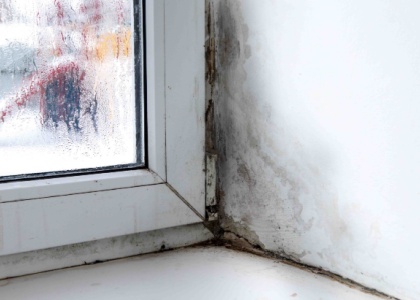
“But we cannot solve a national crisis by focusing only on homes that haven’t been built yet and new technology. Millions of people are still stuck in cold, damp homes today, facing rising bills as global fossil fuel prices surge again.

“Ministers now need to match this ambition with a nationwide programme to upgrade existing homes, starting with those in fuel poverty, alongside targeted financial support and reform of electricity pricing so people actually see the benefits in their bills.”
Chancellor confirms energy bill support planning

The Chancellor has confirmed that contingency planning is under way for targeted energy bill support ahead of the expiry of the current Ofgem price cap at the end of June, as rising oil and gas prices driven by the Iran conflict threaten to push household bills higher from July.

Rachel Reeves told MPs that her approach to providing support would be responsive to the need and responsible in terms of protecting public finances.

The Chancellor said that support would be focused on those who need it most, indicating a preference for targeted help over a blanket approach. She pointed to the costs of the broad energy support package introduced during the Ukraine crisis as a reason to take a more focused approach.

A spokesperson for End Fuel Poverty Coalition, commented:
“Households need to know what the Chancellor’s ‘responsive and responsible’ mantra means in practice.

“The immediate priority must be a new Alternative Fuel Support Scheme for off-gas-grid households, price protection for heat network customers, action on record levels of energy debt and targeted reductions in unit rates from July for households including those with disabilities and long-term health concerns.

“The Chancellor must also commit to expanding and extending the Warm Homes Discount and reforming Cold Weather Payments before winter.

“The money is there. North Sea profits are rising alongside the same gas prices pushing up household bills. Being responsible with public finances means using subsequent tax revenues now to protect people, not waiting until the damage is done.“

The End Fuel Poverty Coalition recommended that the Government introduce a new, longer-term, Alternative Fuel Support Scheme for households relying on heating oil, LPG and other off-gas-grid fuels, as well as support for heat network customers who face rising commercial energy prices.

The proposal also recommends preparing a targeted reduction in energy unit rates from July if the Ofgem price cap rises significantly, alongside faster rollout of a national energy debt relief scheme to address record levels of household debt.

For the winter, the Coalition is calling for reforms to existing schemes including further expansion of the Warm Home Discount and strengthening Cold Weather Payments so support reaches vulnerable households earlier.

Ministers are also urged to speed up reform to electricity pricing and prepare a scalable universal support package that could be activated quickly if energy prices spike further.

Cobra must act on energy costs, not just talk

The Prime Minister has convened an emergency Cobra meeting to examine the cost-of-living impact of the Iran conflict, with oil and gas prices surging due to the threat of further escalation in the Middle East conflict.

For millions of households, the consequences are already landing. Heating oil prices have doubled in recent weeks for off-gas homes sitting outside the protection of the Ofgem price cap. And even before this latest spike, Cornwall Insight was already forecasting that average energy bills would rise to £1,973 from 1 July, a 20% increase on current levels and a figure that has almost certainly moved higher since.

The same price spike hitting households is generating a windfall for North Sea energy firms, and therefore for the Treasury through the Energy Profits Levy. New analysis published by the End Fuel Poverty Coalition shows that at prices seen in mid-March, those profits could generate over £200 million a month in additional Windfall Tax revenues, rising to more than £5 billion a year when combined with offshore corporation tax receipts.

A spokesperson for the End Fuel Poverty Coalition said:

“People reliant on heating oil and gas cylinders to power their homes are already suffering from the oil and gas price spikes. Millions more households will face a 20% increase in their energy bills from July. For families who are already in debt and already struggling with energy bills, there is no more time to waste.

“North Sea energy firms are on course to make bumper profits as a direct result of this crisis, potentially generating hundreds of millions of pounds a month in additional Windfall Tax revenues at current prices. That money should be used to protect households from the bill rises heading their way. Every lever available includes the levers that take money from those profiting from this crisis and put it into the pockets of those suffering because of it.

“The Government should come out of the Cobra meeting with a clear commitment to targeted support for the households most at risk. The framework for that support must be ready to activate the moment the July price cap is confirmed. The lesson of the last energy crisis is that acting too slowly costs far more in the long run, both for households and for the public finances. The time to prepare that emergency support package is now.”

Households face a £332 Trump Tax on energy bills from July

The latest projections show that average energy bills will increase to £1,973 from 1 July 2026, representing a 20% price increase compared to the level just before the rise (i.e. taking into account the reduction of bills from 1 April).

It represents a 90% (£900+) increase over pre-energy bills crisis levels (winter 2020/21 benchmark) and a 26% (£400+) increase over the last general election.

A spokesperson for the End Fuel Poverty Coalition, commented:
“This amounts to a £332 Trump Tax on household energy bills as the conflict continues. At the same time, energy industry profits are likely to rise again as households are left exposed to another global oil and gas price shock.

“Government should be ready with targeted support for households from 1 July while planning for more universal measures if the price surges continue. Meanwhile it must also use this moment to speed up home upgrades, electricity pricing reform and the shift to homegrown renewables.

“Households cannot be left to foot the bill for global instability while energy companies and markets benefit from the turmoil.”