Three years on – the forced prepayment meters scandal remains unresolved

More than three years after the forced prepayment meter scandal first broke, households are still facing forced entry into their homes under a court system now itself under formal investigation.

The 1st February 2026 marked the third anniversary of the Times‘ undercover investigation into British Gas. The Ofgem investigation into the firm is still ongoing with the regulator unable to confirm when it will be completed.

Campaigners continue to call for a full ban on forced PPMs until the justice process is proven to be transparent, lawful and safe.

What are “forced prepayment meters” (PPMs)?

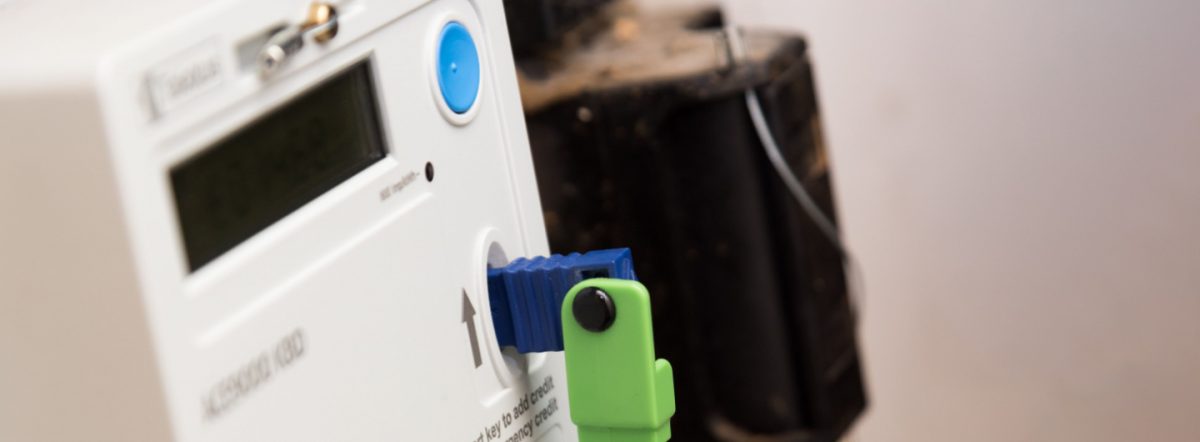
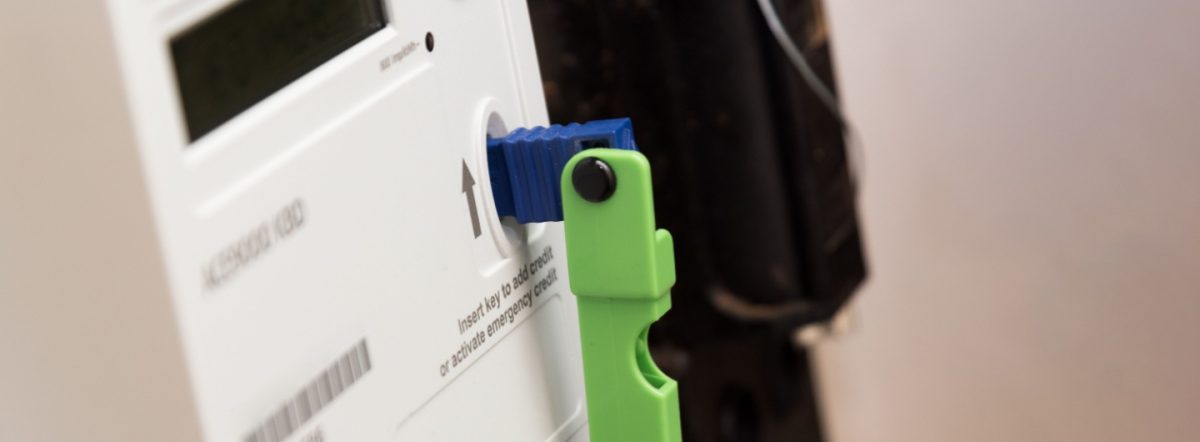
Forced prepayment meters are installed when an energy supplier uses a court warrant or remote smart-meter switching to move a household onto pay-as-you-go energy without their consent, usually because of debt. When credit runs out, energy supply stops, leading to “self-disconnection”.

Key ongoing concerns

  • Lack of transparency: warrants approved in private, limited records, no public scrutiny.
  • Bulk processing: large batches approved together, sometimes after only a small “sample” was reviewed.
  • Procedural failings: reports of errors being found in some applications but the rest being approved regardless.
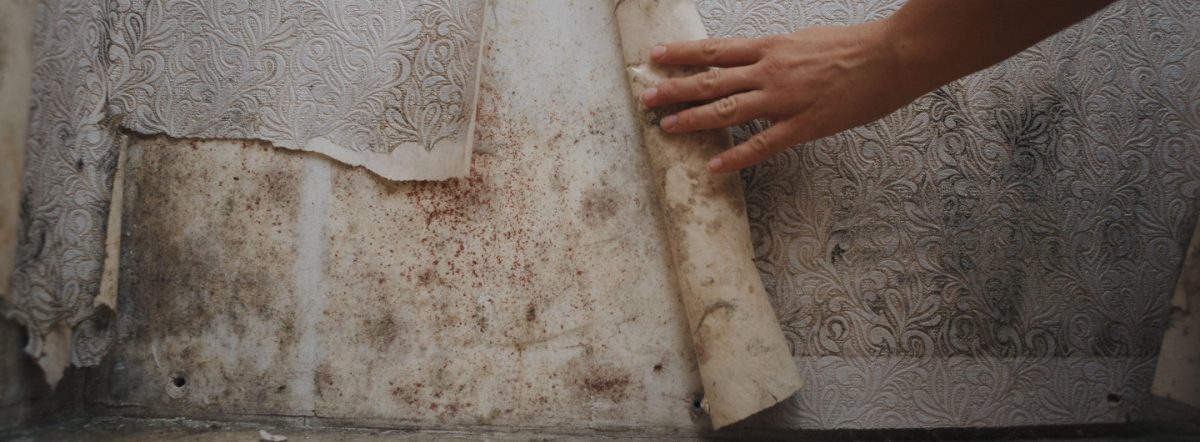
  • Risk to vulnerable households: including disabled people, those on the Priority Services Register and people living in cold, damp homes.
  • Regulatory delay: Ofgem’s British Gas investigation remains unresolved almost three years on.
  • Ongoing harm: energy debt remains at record levels, with PPM households at highest risk of self-disconnection.

Timeline

Before 2022

Forced PPM installations and warrant use were routine but largely hidden from public view.

2022

Media investigations reveal the scale of forced PPM installations and mass court warrants (4th December, the i). Evidence emerges of magistrates’ courts approving bulk applications with minimal scrutiny. Public and political concern grows over forced entry into homes of vulnerable customers.

Early 2023

The scandal escalates after reporting (1st February, the Times) exposes the practices of major suppliers, including British Gas.

Energy firms agree to a voluntary pause on forced PPM installations which campaigners say doesn’t go far enough.

Ofgem launches compliance reviews and enforcement investigations.

Mid–late 2023

As the public calls for a ban on forced PPMs and fresh concerns about energy firm behaviour toward vulnerable households are raised in the media, new “safeguards” and court processes are developed.

Ministers are accused of a dereliction of duty as a public consultation on the issue by Ofgem is overwhelmed with responses.

While formalised Ofgem rules replaced the voluntary commitment from 8 November, campaigners warn that a “cloak of secrecy” remains around warrant hearings and that the system risks repeating past failures.

2024

Some suppliers are allowed to resume forced installations under revised rules.

Ofgem announces redress and compensation schemes, but major enforcement cases continue.

2025

Energy debt reaches new highs.

Ofgem’s investigation into British Gas remains unresolved, now approaching three years.

Fresh reporting by journalists reveal that large batches of warrants are being approved. In some cases hundreds of warrants were authorised after only a small “sample” was reviewed and even when errors were identified in some applications, the rest were approved in bulk.

Following these revelations, the Chief Magistrate launches a formal review of the warrant process in England and new calls for a legislative ban on the process are made to Ministers.

Anne McLaughlin, the former SNP MP for Glasgow North East, led much of the Parliamentary pressure on the issue. She called the ongoing scandal “utterly ridiculous” and said:

“The fact that forced installations are still happening while both the courts process and Ofgem’s original investigation remain unresolved shows how little confidence there can be in the current system.

“The regulator has been painfully slow in investigating one of the worst culprits and as time drags on, memories fade and the people affected by the scandal are still to see justice done.”

Simon Francis, coordinator of the End Fuel Poverty Coalition, commented:

“It is beyond belief that more than three years after the forced prepayment meter scandal first broke, families are still facing forced entry into their homes under a court process that is now itself under formal investigation.

“No one should be pushed onto a prepayment meter, or threatened with a warrant, simply because they are struggling to pay their energy bills. 

“Until the Chief Magistrate’s review is complete and the system is proven to be transparent, lawful and safe, all forced prepayment meter installations must stop.”

Frazer Scott, CEO, Energy Action Scotland, said:

“It is unbelievable and inconsistent with high standards of consumer protection that it has now taken 3 years to investigate the behaviour of British Gas.

“In cases of suspected wrongdoing it should act swiftly to ensure that people are not put at risk. Many vulnerable people remain at risk of a forced installation until all outstanding investigations are concluded.

“9 energy suppliers have resumed forced prepayment meter installations. Others may yet restart. It is a worrying time for those in debt to their energy supplier, debt that stands at over £4.5bn.

“Consumer protection should be at the beating heart of the energy regulator, it needs to do more.”

Jonathan Bean, Spokesperson from Fuel Poverty Action, added:

“Forced prepayment meters are inhumane and dangerous. Disconnecting people from essential heating and power when they are short of cash is the exact opposite of energy security. Ofgem continues to fail in its statutory duty to protect us.”

ENDS 

More background information available here:  https://www.endfuelpoverty.org.uk/about-fuel-poverty/forced-pre-payment-meter-transfer/
https://www.endfuelpoverty.org.uk/tag/ban-forced-ppms/ 

https://www.ofgem.gov.uk/information-consumers/energy-advice-households/check-energy-suppliers-can-install-prepayment-meters-without-household-permission

Ministers urged to halt forced prepayment meters amid secret court hearings concerns

Campaigners have written to the Government and Ofgem demanding an immediate new pause on forced prepayment meter installations, after fresh revelations that magistrates’ courts are continuing to approve bulk warrants through secret hearings.

In a letter sent to the Minister for Energy Consumers, the Minister for Courts and Ofgem’s Chief Executive, the End Fuel Poverty Coalition warns that households are still being subjected to forced entry and involuntary meter installations despite the scandal that first emerged more than three years ago.

The intervention follows recent reporting by journalist Tristan Kirk revealing that magistrates are routinely sitting in private and approving large batches of energy company warrant applications without examining individual cases. In some instances, courts reportedly approved hundreds of warrants after reviewing only a small “sample”, even when errors had already been identified.

The letter notes that these concerns have now prompted the Chief Magistrate to launch a formal review of the warrant system. However, the End Fuel Poverty Coalition has suggested that allowing forced installations to continue while the court process itself is under investigation leaves households at ongoing risk.

“These secret court hearings effectively punish households simply because they are struggling to pay their energy bills,” the letter states. “Many of those affected are already living in cold, damp homes and facing record levels of energy debt. Continuing forced action under a system now acknowledged to be under review is indefensible.”

The Coalition is calling for an immediate and comprehensive pause on all forced prepayment meter installations and warrant-based forced entry until:

– The Chief Magistrate’s investigation is completed and published in full

– Transparency is restored to the court process

– Ofgem concludes its long-running investigation into British Gas and affected customers are fully compensated

– Clear, enforceable protections are in place to prevent further harm.

A spokesperson for the End Fuel Poverty Coalition, said:

“It is extraordinary that more than three years after this scandal first broke, families are still being dragged through secret court processes that even now appear to lack basic safeguards.

“We now have confirmation that the Chief Magistrate is reviewing how these warrants are being issued. The only responsible response is to pause forced prepayment meters immediately, until that investigation is complete and the system is shown to be lawful, transparent and safe.

“No household should face forced entry into their home because they are in energy debt, especially when the process authorising that entry is itself under serious question.”

The Coalition also raised renewed concerns about the continuing delay in Ofgem publishing the outcome of its enforcement investigation into British Gas, which was launched following the original forced PPM scandal and has now been running for almost three years.

ENDS

The letter can be read online as a pdf.

More on the history and background of the Forced PPMs scandal: https://www.endfuelpoverty.org.uk/about-fuel-poverty/forced-pre-payment-meter-transfer/
Ofgem allows energy firms to force fit prepayment meters

Ofgem has given the green light to energy firms to resume force-fitting prepayment meters in people’s homes.

The practice was suspended in early 2023 after investigations by the i and the Times newspapers.

EDF, Octopus and Scottish Power can now install the meters again after meeting new rules set by Ofgem, the industry regulator.

However, a spokesperson for the End Fuel Poverty Coalition, commented:

“It is outrageous that energy firms are seeking to use the courts to force people onto prepayment meters in the middle of winter. These meters have the potential to leave them without heating in the middle of winter.

“We still have grave concerns about the processes energy firms have in place for assessing vulnerabilities. Late last year, Scottish Power were found to be trying to seek warrants to force vulnerable households onto prepayment meters.

“Ultimately, without a change in the law, we knew this day would come. MPs and Ministers – who ignored pleas to introduce a full ban – can only hope that it is not their vulnerable constituents who are forced onto these meters.

“If anyone receives a court summons from their energy firm they must contact Citizens Advice, a local law centre or other advice provider as soon as possible to see if help is available to them. Customers should not ignore these letters as the consequences of doing nothing could be severe.”

Jonathan Bean from Fuel Poverty Action added:

“We are horrified that Ofgem has taken the cruel and dangerous decision to allow Scottish Power and others to break into homes and limit energy supplies in the middle of winter. This will leave many people traumatised and cold.”

National Pensioners Convention General Secretary, Jan Shortt said:

“While we understand that energy debt needs to be dealt with, force fitting Prepayment Meters through the courts is a draconian measure the NPC would very much like to see abandoned.  We will be monitoring very closely any efforts to apply warrants granted.

“There are many reasons for energy debt – not least the doubling of costs last year and the cost-of-living crisis making it very difficult for the majority of ordinary people and pensioners to eke out their income to pay ever-increasing bills.

“We urge the Minister for Energy Security and Net Zero to engage with the energy providers, the Regulator of Ofgem, the NPC and the End Fuel Poverty Coalition to debate and consider a plan to enable those in debt to be able to make payments according to their ability, not the energy providers to top-load plans.

“We would also welcome some understanding from energy providers in terms of customer responses to their communications on debt.  Firstly, they should understand that for most older people, there is no spare money, and they are not members of the ‘won’t pay’ brigade.  The overt assumption that everyone in debt is deliberately not paying is erroneous, spiteful and completely unnecessary.

“Secondly, the energy providers need to rebuild trust between themselves and their customers as a result of those choosing to work outside of their moral obligations.”

Before suppliers can restart involuntary installations, they must meet the conditions set out by Ofgem. These include:

  • Suppliers must conduct an internal audit to identify wrongfully installed involuntary PPMs installed before the PPM moratorium (in place from February 2023) and offer compensation and a return to a non-prepayment payment method to any affected customers.
  • The supplier must commission and conclude an independent assessment to verify their readiness to comply with the new rules.
  • The suppliers’ Board must attest that the supplier is ready to restart involuntary PPMs in compliance with the Code, and pay redress to customers of wrongly installed PPMs
  • If the PPM Market Compliance Review finds major concerns, the supplier in question will need to take corrective agreed with Ofgem

A statement by Ofgem added that once suppliers meet the above conditions and restart involuntary PPM installations, they must also provide regular monitoring data to the regulator, so that concerning practices can be identified early.

Customers and consumer groups will be able to check energy suppliers that can install prepayment meters without household permission on the Ofgem website.

While EDF, Octopus and Scottish Power can now proceed with considering involuntary PPM installations as a last resort, they will still be required to follow a robust set of rules put in place by Ofgem. These rules include:

  • Making at least 10 attempts to contact a customer before a prepayment meter is installed
  • Carrying out a site welfare visit before a prepayment meter is installed
  • Refrain from all involuntary installations for the highest risk customers (the ‘do not install’ category) including:
  • Households which require a continuous supply for health reasons, including dependence on powered medical equipment,
  • Households with an older occupant (aged 75+), without support in the house,
  • Households with children aged under 2 years old,
  • Households with residents with severe health issues including terminal illnesses or those with a medical dependency on a warm home (for example due to illness such as emphysema, chronic bronchitis, sickle cell disease).
  • Suppliers must also assess the suitability of a PPM when one of the below disabilities/characteristics/conditions is a factor:
  • Children 5 and under,
  • Other serious medical/Health Conditions (such as neurological diseases (Parkinson’s, Huntingdon’s, Cerebral Palsy), respiratory conditions (COPD) and mobility limiting conditions (Osteoporosis, Muscular Dystrophy, Multiple Sclerosis)),
  • Serious mental/developmental health conditions (such as clinical depression, Alzheimer’s, dementia, learning difficulties, Schizophrenia),
  • Temporary situations (such as pregnancy, bereavement)

Ministers told to show leadership on prepayment meters scandal

Ministers must show further leadership and ban the forced transfer of homes onto prepayment meters, according to campaigners.

In a letter sent to the Secretary of State for Energy Security & Net Zero, Claire Coutinho MP, and copied to the Minister for Consumer Energy and the Lord Chancellor, the End Fuel Poverty Coalition has claimed that to date, people across government and industry have tried to “wash their hands of responsibility.”

The latest revelations in the Times on forced prepayment meters (PPMs) showed agents for Scottish Power securing warrants to break into the homes of mothers with young children to force them onto PPMs.

Concerns were raised about Scottish Power by the House of Commons Energy Security Committee after a letter on the issue to MPs from the Coalition. Scottish Power is among the firms being considered by Ofgem as potentially being in a fit state to restart the forced transfer of homes onto PPMs in the coming weeks.

However, according to the letter now sent to the Minister, the Times investigation raises concerns that: “the checks and systems Scottish Power have in place are not fit for purpose. 

“Given the firm has been making progress towards being granted permission from Ofgem to restart forced PPM installations, we believe this calls into question the whole system the regulator has in place.”

In the letter, the Coalition asks the Secretary of State to:

  • Ban the practice of forced prepayment meters outright through legislation in the House of Commons. Ministers rejected the opportunity to do this during the passage of the Energy Act, leaving enforcement up to voluntary codes of practice and licence conditions.
  • Instruct Ofgem that the current ban – which includes switching of smart meters into PPM mode – must stay in place until at least April 2024. 
  • Ensure that Ofgem places Scottish Power under heightened monitoring for all aspects of its customer service and for its dealings with vulnerable customers. Scottish Power and its subcontractors must also be instructed to cancel all warrants it has sought so far and cease any current warrant applications being made.

The letter also highlights the “cloak of secrecy” which magistrates courts operate under and raises concerns that the same poor practices identified in the original PPMs scandal are still present, including distant hearings and nodding through batch applications.  

The End Fuel Poverty Coalition stresses that it recognises energy firms have genuine concerns about the levels of household energy debt caused by record energy bills, but argues for an alternative to forced PPMs – the introduction of a Help to Repay scheme and an Emergency Energy Tariff for vulnerable groups.

Over the summer, the End Fuel Poverty Coalition repeatedly highlighted to regulators and Ministers that the PPMs scandal was in danger of returning, first issuing a warning about energy firms’ conduct on PPMs on 17th May.

On 13th July, in a formal consultation response [pdf], the Coalition warned the regulator about firms’ conduct and in an accompanying press release urged the Government to act, also writing to the Minister highlighting the consultation response [pdf].

On 8 Sept the Coalition wrote to the current Secretary of State asking for a ban on forced PPMs again and on other issues including energy debt. The minister is still to reply to this letter.

Jonathan Bean from Fuel Poverty Action said: 

“This is yet more evidence that energy firms and Ofgem cannot be trusted to protect struggling customers from harm.  

“Forced installations of prepayment meters or switches of smart meters to PPM mode are inherently risky as they can lead to the loss of heating in the depths of winter.”

Jan Shortt, General Secretary of the National Pensioners Convention commented:

“The Secretary of State must ensure that the regulator, Ofgem, is much more proactive in applying the Code of Practice. 

“The NPC has been assured in writing that no energy provider currently meets the standards and therefore no Court should be undertaking the signing of warrants. 

“The impact on customers put through this process should not be dismissed by the energy industry and government so lightly.”

Warm This Winter campaign spokesperson Fiona Waters added: 

“It’s appalling that Scottish Power were granted warrants which would allow them to force their way into over a hundred homes to install prepayment meters and leave vulnerable people with just £30 credit.

“We now know at least two of those targeted had babies and toddlers which is completely against the Ofgem guidelines. It shows vetting is not working and the only way to safeguard against children being put in danger is to ban this barbaric act and find a better way to help ordinary people who find themselves in energy debt through no fault of their own.”

The full letter can be read online [pdf].

Commons Committee asked to take urgent evidence on forced PPMs

The House of Commons Energy Security Committee has been asked by campaigners to hold an urgent evidence session on the prepayment meters scandal.

Last week Scottish Power was granted 124 warrants by Berkshire Magistrates Court to forcibly enter people’s homes to force them onto prepayment meters (PPMs). 

According to media reports, the magistrate granted all 124 warrants after examining just 20 of them in detail.

One of these warrants was granted against a property in Grimsby, almost 200 miles away.

The End Fuel Poverty Coalition has now written to the Committee outlining more than ten serious concerns about this decision and requesting its help in understanding the circumstances around the warrants. 

The group has asked the Committee to take evidence within the next 28 days from Scottish Power, Richburns Ltd (debt collection agency), His Majesty’s Courts and Tribunals Service and Ofgem.

The forced PPMs scandal rocked the energy industry after investigations by the i paper and The Times revealed the extent energy firms were using the courts to gain warrants to people’s homes to force vulnerable people onto PPMs. 

Expert reports highlight the health dangers potentially caused by people’s PPMs switching off and leaving them in cold damp homes.

These warrants were granted despite a ban on the forced transfer of homes onto prepayment meters still being in place. 

Campaigners have previously written to Ministers to call for a Help To Repay scheme to be introduced to remove the need for forced prepayment meter transfers.

A spokesperson for the End Fuel Poverty Coalition, commented:

“It is totally inappropriate for energy firms to be seeking to force their way into people’s homes to push them onto dangerous prepayment meters in this way. This strategy leaves potentially vulnerable customers at risk of disconnection and going without energy.

“Instead, we need Government and industry to agree to a Help To Repay scheme which will help bring down the astronomical levels of energy debt and help households struggling with the cost of living crisis to get back on an even keel.”

National Pensioners Convention General Secretary Jan Shortt said: 

“It is interesting that Scottish Power had warrants passed before 8 November, when Ofgem’s mandatory regulations covering energy providers are due to come into force.

“We oppose magistrates signing warrants for forced entry in bulk. Magistrates have the overriding power when it comes to human rights, and we expect that they will take genuine steps to ensure that every application for a warrant to force entry to fit a prepayment meter will be vigorously scrutinised to ensure adherence to the Ofgem Code of Practice.  

“We recognise this will cause delays, but the alternative is to breach individual human rights and cause distress to those struggling with paying bills.

“We would prefer to see an end to the use of prepayment meters with an agreed strategy to transfer those customers who do not want them back to a payment scheme that enables them to be debt free.”

Frazer Scott, CEO, Energy Action Scotland commented:

“People are struggling with unaffordable energy costs and spiralling debt. This has reached record levels. Some of the most vulnerable in society have not seen the right levels of support to ensure that their health and wellbeing is protected. 

“The forced movement of people from credit to prepayment places an unacceptable level of risk to the lives of people. Government, regulator, suppliers and our courts are failing to provide meaningful protection. 

“We are dismayed that action has been taken by suppliers and the courts ahead of the introduction of changes to regulations which should ensure that no vulnerable person has to endure being subject to a forced installation.” 

Warm This Winter spokesperson, Fiona Waters said: 

“It’s appalling that Scottish Power have been granted warrants to force their way into over a hundred homes, install prepayment meters and leave vulnerable people with just £30 credit. Prepayment meter users often have to clear debt before they can top them up. We hope Ofgem and the Energy Security Committee will exert all their authority to stop this and not condemn these customers to living without any heating or lighting.”

Jonathan Bean of Fuel Poverty Action added: 

“Scottish Powers’ plan to break into homes, and risk leaving people unable to stay warm this winter, has been exposed. The courts are failing to properly assess most cases, and Ofgem is guilty of wishful thinking. Government must act now to end this inhumane and dangerous practice.”

The full letter is available to read as a pdf.

Government show ‘dereliction of responsibility’ on prepayment meters

Government ministers have been accused of failing vulnerable households as thousands of members of the public have overwhelmed an official consultation on prepayment meters (PPMs). [1]

Campaign group 38 Degrees helped over 20,000 people submit individual responses to Ofgem’s consultation on new PPM rules, which propose allowing energy firms to resume forcibly installing prepayment meters, while introducing protections for a select group of customers – households with members over 85 or under 5.

95% of these respondents told the regulator it should protect all households from forced prepayment meter installations.

The forced PPMs scandal rocked the energy industry after investigations by the i paper and The Times revealed the extent energy firms were using the courts to gain warrants to people’s homes to force vulnerable people onto PPMs. 

Expert reports cited in the End Fuel Poverty Coalition’s official response to the Ofgem consultation highlight the health problems potentially caused by people’s PPMs switching off and leaving them in cold damp homes. [2]

Despite bans being imposed on courts from issuing PPM warrants and a voluntary ban on energy firms from forcing people onto these meters, examples have emerged that firms are still threatening the use of court warrants and forced entry.

The Government has rejected backbench amendments to the Energy Bill which would give it the power to ban the forced transfer of households onto prepayment meters (PPMs). Further debate on the Bill will now not take place until the autumn after running out of Parliamentary time.

A spokesperson for the End Fuel Poverty Coalition, commented:

“A legally enforceable ban on the forced transfer of homes onto a PPM is the solution to this abuse of power.

“Yet the Government continues to refuse to amend the Energy Bill to provide the protections vulnerable households need.

“Sadly, Ministers are showing a dereliction of responsibility toward the vulnerable. Instead of protecting them, they are keen to allow energy firms to restart forcing households onto prepayment meters and risk leaving them in cold damp homes this winter.”

MPs from across several political parties have offered Ministers the opportunity to amend the Energy Bill to ban forced PPMs. The latest attempt will be at the Report Stage where Wera Hobhouse, MP for Bath, has tabled a fresh amendment.

Ian Preston, director of household energy services at the Centre for Sustainable Energy, said: 

“Over the last seven years our energy advisors consistently see shocking examples of poor customer service and awful treatment of vulnerable customers from energy suppliers. 

“The regulator needs to make better standards a licence condition rather than relying on principles which suppliers like Scottish Power seem to lack entirely.”

Among the members of the public who have responded to the consultation, Christine Davies, of Carmarthen, Wales commented:

“I live in dread, personally, of having to transfer to a prepayment meter at some point. I am disabled with multiple chronic illnesses and struggle to pay my bills. I am afraid of putting my heating on for too long and for as much as I need it.”

Peter Wilson, of Wallasey, Merseyside added:

“Ofgem’s brief is to protect all consumers; it is outrageous that prepayment meters can be forced on any customer as they inevitably affect the poorer members of the community, which is like kicking people when they are down.

“I have a mobility issue, and when I had a prepayment meter it was a serious worry to me that I was limited to the amount of money on the card and I did once run out over a Christmas period when my close family members were away.”

Anne McLaughlin, MP for Glasgow North East chairs the All Party Parliamentary Group on Prepayment Meters and commented:

“The energy firms have lost all respect for Ofgem and they’re running circles around them. If they do breach Ofgem rules, they’re happy to take a slap on the wrist and pay the fines.

“The 18th April Voluntary Code of Conduct to prevent the forced installation of prepayment meters doesn’t go far enough, so we need the power to properly regulate energy firms and safeguard vulnerable prepayment meter customers handed to the Secretary of State for Energy Security & Net Zero. 

“The Energy Bill gives us a unique opportunity to do this in legislation, and I’m urging the UK Government to back any amendment that will allow this to happen.”

The End Fuel Poverty Coalition spokesperson, added:

“Profit-making energy firms claim they need to force people onto prepayment meters to help deal with rising energy debt levels. However, there is a better way to deal with this.

“Plans put forward by a range of charities, including the Money Advice Trust, would establish a Help to Repay scheme for energy debt which is a sustainable way to help households.”

More than 44,000 people have also signed a 38 Degrees petition, calling on Ofgem to ensure no one is forced onto a prepayment meter against their will.

ENDS

[1] https://www.endfuelpoverty.org.uk/about-fuel-poverty/ 

[2] End Fuel Poverty Coalition consultation response available online: 230713 EFPC Ofgem June PPM Consultation

Poorest constituencies missing out on support for energy bills

New analysis of Government data by the End Fuel Poverty Coalition has revealed that some of the poorest constituencies in the country had some of the highest levels of undelivered or unredeemed payments through the Energy Bills Support Scheme. [1]

Westminster Constituency-specific data shows that some of the constituencies with the highest levels of child poverty were the least likely to get the full amount of support payments that they were owed. 

In Brent Central, where more than a third of households with children are in poverty [2], more than one in twenty (6.18%) of vouchers were not delivered or redeemed. 

Meanwhile in Liverpool Riverside, more than 22,000 (5.19% of payments) were not processed, even though more than 7,000 families are in poverty.

The latest UK-wide figures show that millions of pounds worth of support has not made it to the households that it was meant for, with the majority of that due to those on prepayment energy meters (PPMs).

In the constituency of Hampstead & Kilburn, 43% of vouchers issued to PPM households have not been redeemed. And while the problem is worst in London, other places across England have also been hit hard. In Bradford West, a third of vouchers are still to be claimed, in places such as Preston or Pendle, the figure is 29%.

Scotland’s voucher redemption rate (26% left unclaimed) is worse than everywhere else in the UK apart from London (32%). Constituencies such as Edinburgh East, Edinburgh North & Leith, Glasgow North (all 36%) and Inverclyde (35%) all have low take up rates.

The government provided households across the country with £400 of energy bills support from October 2022 until March 2023 through the Energy Bills Support Scheme. For traditional prepayment meter customers, this support came in the form of vouchers delivered monthly by text, email or post. 

The deadline to collect any missed payments is 11.59pm on 30th June. 

A spokesperson for the End Fuel Poverty Coalition, which is part of the Warm This Winter campaign, commented:

“Far too often support payments under this scheme have not found their way to vulnerable households. There is now less than a week to go before this support will be lost to households forever.

“If anyone feels they have missed out on Energy Bills Support Scheme payments they should contact their energy firm immediately.”

Frazer Scott, CEO of Energy Action Scotland commented “Over 1 in 3 households in Scotland are in fuel poverty and are struggling to access heat and power to maintain their health and wellbeing. Energy debt levels are rising yet vital support is not reaching people. Legacy prepayment meter households should be receiving the support to which they are entitled. It isn’t right and it isn’t fair that so many voucher remain unredeemed.”

Jonathan Bean of Fuel Poverty Action said: “As usual in our cruel energy system, those that need the help most are not getting it.  Government and energy firms are failing vulnerable people again.  Extra time and effort is needed to sort out this mess.”  

 ENDS

[1] End Fuel Poverty Coalition analysis of official Government data published on 20 June 2023. All data is available to download from: EFPC EBSS Calculations energy-bills-support-scheme-gb-payments-june-2023

[2] End Child Poverty Coalition / Loughborough University data https://endchildpoverty.org.uk/child-poverty/