News

Three years on – the forced prepayment meters scandal remains unresolved

More than three years after the forced prepayment meter scandal first broke, households are still facing forced entry into their homes under a court system now itself under formal investigation.

The 1st February 2026 marked the third anniversary of the Times‘ undercover investigation into British Gas. The Ofgem investigation into the firm is still ongoing with the regulator unable to confirm when it will be completed.

Campaigners continue to call for a full ban on forced PPMs until the justice process is proven to be transparent, lawful and safe.

What are “forced prepayment meters” (PPMs)?

Forced prepayment meters are installed when an energy supplier uses a court warrant or remote smart-meter switching to move a household onto pay-as-you-go energy without their consent, usually because of debt. When credit runs out, energy supply stops, leading to “self-disconnection”.

Key ongoing concerns

  • Lack of transparency: warrants approved in private, limited records, no public scrutiny.
  • Bulk processing: large batches approved together, sometimes after only a small “sample” was reviewed.
  • Procedural failings: reports of errors being found in some applications but the rest being approved regardless.
  • Risk to vulnerable households: including disabled people, those on the Priority Services Register and people living in cold, damp homes.
  • Regulatory delay: Ofgem’s British Gas investigation remains unresolved almost three years on.
  • Ongoing harm: energy debt remains at record levels, with PPM households at highest risk of self-disconnection.

Timeline

Before 2022

Forced PPM installations and warrant use were routine but largely hidden from public view.

2022

Media investigations reveal the scale of forced PPM installations and mass court warrants (4th December, the i). Evidence emerges of magistrates’ courts approving bulk applications with minimal scrutiny. Public and political concern grows over forced entry into homes of vulnerable customers.

Early 2023

The scandal escalates after reporting (1st February, the Times) exposes the practices of major suppliers, including British Gas.

Energy firms agree to a voluntary pause on forced PPM installations which campaigners say doesn’t go far enough.

Ofgem launches compliance reviews and enforcement investigations.

Mid–late 2023

As the public calls for a ban on forced PPMs and fresh concerns about energy firm behaviour toward vulnerable households are raised in the media, new “safeguards” and court processes are developed.

Ministers are accused of a dereliction of duty as a public consultation on the issue by Ofgem is overwhelmed with responses.

While formalised Ofgem rules replaced the voluntary commitment from 8 November, campaigners warn that a “cloak of secrecy” remains around warrant hearings and that the system risks repeating past failures.

2024

Some suppliers are allowed to resume forced installations under revised rules.

Ofgem announces redress and compensation schemes, but major enforcement cases continue.

2025

Energy debt reaches new highs.

Ofgem’s investigation into British Gas remains unresolved, now approaching three years.

Fresh reporting by journalists reveal that large batches of warrants are being approved. In some cases hundreds of warrants were authorised after only a small “sample” was reviewed and even when errors were identified in some applications, the rest were approved in bulk.

Following these revelations, the Chief Magistrate launches a formal review of the warrant process in England and new calls for a legislative ban on the process are made to Ministers.

Anne McLaughlin, the former SNP MP for Glasgow North East, led much of the Parliamentary pressure on the issue. She called the ongoing scandal “utterly ridiculous” and said:

“The fact that forced installations are still happening while both the courts process and Ofgem’s original investigation remain unresolved shows how little confidence there can be in the current system.

“The regulator has been painfully slow in investigating one of the worst culprits and as time drags on, memories fade and the people affected by the scandal are still to see justice done.”

Simon Francis, coordinator of the End Fuel Poverty Coalition, commented:

“It is beyond belief that more than three years after the forced prepayment meter scandal first broke, families are still facing forced entry into their homes under a court process that is now itself under formal investigation.

“No one should be pushed onto a prepayment meter, or threatened with a warrant, simply because they are struggling to pay their energy bills. 

“Until the Chief Magistrate’s review is complete and the system is proven to be transparent, lawful and safe, all forced prepayment meter installations must stop.”

Frazer Scott, CEO, Energy Action Scotland, said:

“It is unbelievable and inconsistent with high standards of consumer protection that it has now taken 3 years to investigate the behaviour of British Gas.

“In cases of suspected wrongdoing it should act swiftly to ensure that people are not put at risk. Many vulnerable people remain at risk of a forced installation until all outstanding investigations are concluded.

“9 energy suppliers have resumed forced prepayment meter installations. Others may yet restart. It is a worrying time for those in debt to their energy supplier, debt that stands at over £4.5bn.

“Consumer protection should be at the beating heart of the energy regulator, it needs to do more.”

Jonathan Bean, Spokesperson from Fuel Poverty Action, added:

“Forced prepayment meters are inhumane and dangerous. Disconnecting people from essential heating and power when they are short of cash is the exact opposite of energy security. Ofgem continues to fail in its statutory duty to protect us.”

ENDS 

More background information available here:  https://www.endfuelpoverty.org.uk/about-fuel-poverty/forced-pre-payment-meter-transfer/

https://www.endfuelpoverty.org.uk/tag/ban-forced-ppms/ 

https://www.ofgem.gov.uk/information-consumers/energy-advice-households/check-energy-suppliers-can-install-prepayment-meters-without-household-permission

Warm Home Discount extended across GB through to winter 2030/31

The £150 Warm Home Discount will be provided to eligible households every winter until 2030/1.

It follows the expansion of the Warm Home Discount last year, adding 2.7 million families to the scheme and bringing the total number of eligible households to around six million.

In England and Wales, households who are receiving a qualifying means-tested benefit should get the discount automatically.

In Scotland, the UK Government has implied that significant changes are expected. While an estimated 345,000 Scottish households will receive it automatically, some who previously received the benefit may now miss out.

A spokesperson for the End Fuel Poverty Coalition, commented:

“As gas prices continue to demonstrate their volatility, reaching an 11-month high in recent days, keeping the Warm Home Discount in place avoids a damaging cliff-edge for households struggling through a fifth winter of the energy bills crisis.

“But simply rolling it forward at the same level, with the same rules, risks locking in a scheme that we already know doesn’t reach everyone who needs help.

“If Ministers intend the Warm Home Discount to be the backbone of energy bill support to 2030, they cannot freeze it in its current form.

“Right now, too many people are left out altogether or not given enough support to make a meaningful difference. This includes households with electric-only heating, people living off the gas grid, residents of park homes and private networks, and families facing much higher costs because of disability, illness or poor housing.

“Without uplifts for high-cost households and a clear application route for those not captured by the main scheme, it will continue to miss large numbers of people in genuine fuel poverty.

“Industry Initiatives must also be properly funded and strengthened to catch those the support excludes, including people on non-standard supplies and those with additional health needs. And in Scotland, any move to automatic data-matching must be matched by expanded Industry Initiatives, clear supplier duties, and close monitoring to ensure households who previously qualified do not quietly lose support.”

The Coalition’s full response to the Government’s consultation on this issue is available as a pdf.

More affordable homes and overhaul of social housing standards announced

New plans have been announced an additional 300,000 more social and affordable homes alongside an overhaul of standards in the sector.

The Government will invest £39bn in the Social and Affordable Homes Programme and it has confirmed moves to raise standards across existing social housing stock through a new Decent Homes Standard.

These reforms promise tougher action on damp and mould, stronger enforcement of repairs, and warmer, more energy-efficient homes. From 2030, social landlords will also be required to meet higher energy efficiency standards, reducing energy bills for tenants.

A spokesperson for the End Fuel Poverty Coalition, commented:

“These measures are a welcome step towards better homes and lower bills, especially if the new standards finally get a grip on damp, mould and poor insulation in social housing.

“People have suffered for far too long in substandard housing and with high energy bills. Those households suffering in fuel poverty need new social housing or home upgrades to reach them as a priority and as soon as possible.

“When it comes to upgrades funded through the landmark Warm Homes Plan, this work must link up with a Warm Homes Guarantee, so every household gets trusted advice during the process, strong consumer protections and a clear promise that energy bills will fall after work is done.”

Heat network customers to see increase in protections

More than 500,000 heat network customers will receive greater consumer protections across England, Scotland and Wales.

Ofgem will now have powers to act if a heat network operator puts up prices unfairly, and if an operator delivers a poor level of service, with compensation awarded to customers who suffer a service outage through the Energy Ombudsman.

Homes and businesses on heat networks will receive clearer, itemised billing – with previous cases of customers being issued with an unexplained monthly charge – and there will be greater support for vulnerable customers.

Some heat network customers saw energy prices rises of up to 450% during the energy bills crisis.

A spokesperson for the End Fuel Poverty Coalition, commented:
“Bringing heat networks under Ofgem regulation is an important and long-overdue step. These networks should be able to deliver low cost energy for some of the poorest households in the country, but for years, heat network customers have effectively been second-class energy consumers, facing huge price hikes, poor service and little meaningful protection.

“Today’s change should finally give heat network customers basic rights around fair pricing, clear billing and redress when things go wrong. But regulation alone won’t fix everything. Ofgem and Ministers must now make sure these powers are used robustly, vulnerable households are properly protected, and that heat networks genuinely deliver what they promise: affordable, reliable heat that helps tackle fuel poverty, not deepen it.”

30,000 homes hit by defective insulation as MPs call for fraud investigation

The Public Accounts Committee report into botched insulation schemes set up by the previous government confirms that the Energy Company Obligation was allowed to operate within a system that was fragmented, poorly overseen and fundamentally unfit to protect vulnerable households.

Over 30,000 households have been left with defective installations, many facing damp, mould, stress and in some cases serious health and safety risks.

Such is the extent of the problem, the report recommends ‘given the likely role of fraud in the poor quality installations, the Department should refer the issue to the Serious Fraud Office to investigate.’

A spokesperson for the End Fuel Poverty Coalition commented:

“The report confirms a clear failure of a system that was supposed to protect people in fuel poverty.

“Done properly, home upgrades and insulation are among the safest ways to bring down energy bills. Done badly, as we’ve seen, they can cause real harm.

“Thousands of households have been left living with defective insulation, facing damp, mould, stress and in some cases serious risks to their health and safety. The Committee is right to say there were serious failings at every level. What’s shocking is not just the scale of the damage, but how long it was allowed to happen without effective intervention. The priority now must be to find and fix every affected home as fast as possible, with a cast-iron guarantee that no household will pay a penny to put this right.

“And this must also mark a turning point. If the government’s Warm Homes Plan is to succeed, it has to be built around a Warm Homes Guarantee which gives every household independent advice, guarantees quality and rapid fixes when things go wrong, provides clear consumer protection and redress, and delivers a simple promise that bills will actually come down after the work is done.”

Fuel Poverty Action (FPA) has called for the £428 million earmarked for the scheme’s wrap up and remediation is actually used to get good contractors to fix damaged homes where other routes have failed. Jonathan Bean from FPA commented:

“We would love to believe the Warm Homes Plan’s claim that five million homes will be successfully upgraded and bills and fuel poverty slashed. However the catastrophic failures of current retrofit schemes shows this is very unlikely.

“The Government needs to get its own house in order with rapid action to fix the tens of thousands of defective ECO4 and GBIS retrofits, boost skills training, guaranteed bill savings and quality assurance.”

Vulnerable customers left waiting 19 months for winter support

Thousands of OVO customers did not receive their Warm Home Discount payments for winter 2023/24 until November 2025, more than 19 months late, leaving thousands without vital support during the coldest winter months.

Of the customers impacted, 7,726 were on the Priority Services Register and classed as vulnerable energy consumers, including 4,066 who were medically vulnerable. OVO will pay a total of £2,765,200 in compensation, including £150 to all affected customers, an additional £150 to those who are medically vulnerable, and £100 for each instance of self-disconnection between 31 March and 31 May 2024.

A spokesperson for the End Fuel Poverty Coalition, commented:
“This is a shocking failure that left thousands of vulnerable households without vital support when they needed it most.

“No one should be forced to go through winter without support because a supplier failed to meet its obligations. While compensation is right, it does not undo the harm caused by people missing out on help during the coldest months, when the risks to health and safety are highest.

“This case underlines why protections for vulnerable households must be automatic, enforceable and backed by meaningful penalties. It also shows why we need stronger consumer standards and faster redress when things go wrong. In this context, it is utterly absurd that Ofgem is currently considering plans to water down regulations in its ‘consumer outcomes’ consultation.”

Fuel poverty fight enters a new phase as hard work on Warm Homes Plan begins

The Government’s new £15bn Warm Homes Plan has been welcomed as a potential breakthrough in tackling cold, damp housing, cutting energy bills and slashing carbon emissions.

But campaigners have warned that the Plan [pdf] must avoid the failures of previous schemes, remain focused on helping those most in need, and be backed by strong consumer protections and reform of the wider energy system.

The Plan is built around three main pillars:

  1. Targeted support for low-income households: with £5bn in grants to fund insulation, heat pumps, solar panels and batteries.
  2. Universal loan offers: low- and zero-interest finance for any homeowner to access rooftop solar, heat pumps or battery storage.
  3. New protections for renters: including upgraded energy efficiency standards for the private rented sector.

The Plan is necessary to help address the long-term health impacts of living in cold damp homes and the 12.1m households who struggle with energy bills.

Andrew McCracken, Director of External Affairs at Asthma + Lung UK, explains: “Living in a cold, damp or mouldy home puts people at increased risk of developing serious lung conditions and can cause life-threatening asthma attacks and exacerbations of chronic obstructive pulmonary disease (COPD).

“Poor housing is a key determinant of lung health, so with survey data showing that more than one in five people with lung conditions are living in cold or damp housing, it’s little wonder the UK has the highest rate of deaths from lung disease in Europe.”

Simon Francis, Coordinator of the End Fuel Poverty Coalition, added: “The lifeblood of the Plan amounts to a rescue mission for the coldest, dampest homes in Britain – and this must be the priority. Combined with long-overdue improvements to conditions in the private rented sector, it could save lives, cut NHS costs and permanently slash energy bills for those in fuel poverty.”

So while campaigners have praised the cross-government approach to tackling fuel poverty and the Warm Homes Plan’s ambition, many have warned it must be properly implemented and locally led.

Graham Duxbury, Groundwork UK’s Chief Executive, said: “There’s much to commend in the Warm Homes Plan.  We particularly welcome the worst-first approach, the area-based model and the emphasis on local job creation. This is the right long-term strategy but we know it won’t solve the problems of acute fuel poverty and energy debt overnight.  We also know that, without additional support, those living in more vulnerable or challenging circumstances may not benefit.”

Kate Meakin, director of Energise Sussex Coast, warned: “Insulating homes is a permanent solution to end fuel poverty… However, if this Plan is to avoid past failures, there must be a mandatory requirement for real-world performance to be monitored after installations are complete – as well as a Warm Homes Guarantee that ensures that every household that receives support actually sees their bills come down.”

The Warm Homes Guarantee, proposed by the End Fuel Poverty Coalition, is built around quality advice on the right installations to deliver, enhanced consumer protections and a promise that every upgraded home will see bills come down. As Graham Duxbury explains, we “would like to see up-front community engagement to ensure widespread take-up and post-installation support to ensure householders gain the full benefit of any measures installed.”

Jonathan Bean from Fuel Poverty Action also highlighted the “catastrophic failures” in the defective ECO4 and GBIS schemes, urging the Government to support households affected while also boosting skills training.

Joanna Elson, Chief Executive of Independent Age also warned that while the development of the Warm Homes Agency has the potential to significantly improve access information and advice about upgrading homes to bring down energy bills, this should not be overly reliant on digital tools: “It is essential that there are national and local services that are accessible to them, including for the digitally excluded.”

Others welcomed minimum energy efficiency standards for private rentals, but raised red flags over key exemptions. Niamh Evans of the Renters Reform Coalition said:

“The Government’s choice to lower the cap on landlord spending from £15k to £10k means many tenants stuck in some of the worst insulated homes will be left in the cold and their landlords won’t be required to bring up to EPC C. We’re also concerned that the government has still not set out plans to protect renters from rent increases or evictions following upgrades linked to the scheme.”

Members of the Coalition suggest that spend caps for landlords make little sense and should at least take account of inflationary pressure and cost disparity in different locations.

Joanna Elson added: “Older people with a lower income are more likely to live in rented homes of a lower value and at lower standards. These decisions may leave some of those most at risk continuing to pay more to keep their home warm or force them to go without warmth entirely. We are urging the UK Government to ensure that homes that need the most improvement benefit fully from the Minimum Energy Efficiency Standard.”

Meanwhile, experts also highlighted the need for wider reforms to work alongside the Plan and the newly published fuel poverty strategy.

Tessa Khan, executive director of Uplift, said: “A Warm Homes Plan is desperately needed, with world events once again highlighting the UK’s vulnerability from our over-reliance on gas for heating. We can no longer bank on the North Sea because, after 50 years of drilling, the UK has now burned most of its gas.

“Ending this dependency, by ensuring our homes are more energy efficient – particularly for those on lowest incomes – and powered by renewable energy, is both pragmatic and the right thing to do for ensuring we have affordable energy.

Chris Galpin, Senior Policy Advisor at E3G, said: “Stronger building efficiency standards will be life-changing for many renters – slashing their bills by hundreds of pounds a year, as well as keeping their homes drier and healthier. But more still needs to be done to protect households with electric heating, who are twice as likely to face fuel poverty as other households.”

Frazer Scott from Energy Action Scotland added that while the Plan needs to be clearer about what funding is UK and what is devolved, the announcement was also “another lost opportunity to at least signal consideration of a social tariff for energy users.”

Therefore, while the Plan and the fuel poverty strategy bring together many long-standing policy asks, the End Fuel Poverty Coalition is now developing the next steps required to ensure it fulfils its potential, this includes:

  • Full transparency on funding: distinguishing new investment from previously announced budgets and clarity on devolved settlement.
  • Action on electricity pricing, to make electric heating cost-competitive and fair.
  • Robust standards, consumer protections and oversight through a Warm Homes Guarantee to avoid a repeat of past failings.
  • Increase the landlord spending cap to £15k, safeguards to stop landlords fiddling with Energy Performance Certificates, a prevention of rent increases or evictions due to improvements and a robust defence of the proposed policy in light of likely lobbying from landlords’ groups.
  • More interim financial support, such as Cold Weather Payments reform, Warm Home Discount extension and energy debt relief (over an above the latest proposals from Ofgem) while upgrades are rolled out and a long term social tariff is developed.

ENDS

Warm Homes Plan launched to upgrade homes and cut energy bills

The Government’s £15bn Warm Homes Plan promises to tackle fuel poverty, cut bills and reduce emissions through three main pillars:

  • Targeted support for low-income households,
  • A universal loan offer for solar panels, batteries and heat pumps, and
  • New protections for renters living in cold, damp, or mouldy homes.

Campaigners have welcomed the Plan with its potential to improve conditions in the coldest homes, through insulation, heat pumps and solar panels. Although its success in reducing fuel poverty will be judged on real delivery, strong consumer protections and a focus on the people most in need.

A spokesperson for the End Fuel Poverty Coalition commented:

“The lifeblood of the Plan amounts to a rescue mission for the coldest, dampest homes in Britain – and this must be the priority.

“Combined with long-overdue improvements to conditions in the private rented sector, it could save lives, cut NHS costs and permanently slash energy bills for those in fuel poverty.

“Achieving this, while also inspiring a rooftop and heat pump revolution through loans and subsidies, will require a national effort. There will also need to be reforms which go beyond this Plan, such as bringing down the cost of electricity and providing financial support with energy costs while households wait for improvements to be installed.

“Above all, any use of public funds must come with a Warm Homes Guarantee, built around quality advice on the right installations to deliver, enhanced consumer protections and a promise that every upgraded home will see bills come down.

”If delivery matches ambition then this could be the biggest breakthrough in tackling cold damp homes in a generation, but now the hard work begins.”

Adam Scorer, Chief Executive at National Energy Action, added:

“People struggling in fuel poverty desperately need the Warm Homes Plan. Cheaper energy costs, efficient heating systems and homes that keep the warmth in, are all essential for the plan to succeed. There is a lot of work to be done, but today’s publication and commitment to lift a million households out of fuel poverty is a welcome, landmark occasion.”

Tessa Khan, executive director of Uplift, said

“A Warm Homes Plan is desperately needed, with world events once again highlighting the UK’s vulnerability from our over-reliance on gas for heating.

“Ending this dependency, by ensuring our homes are more energy efficient – particularly for those on lowest incomes – and powered by renewable energy, is both pragmatic and the right thing to do for ensuring we have affordable energy.

“We can no longer bank on the North Sea because, after 50 years of drilling, the UK has now burned most of its gas. Regardless of any new drilling, the UK will be dependent on gas imports for nearly two thirds of its gas in just five years time and almost 100 per cent by 2050, unless we shift away from gas.

“An ambitious warm homes plan, properly implemented, will reduce our exposure to price shocks and mean we are not at the mercy of bad actors like Putin or the whims of Trump.”

Nick Davies, Head of Climate Policy at Green Alliance, said:

“Everyone has a chance to lower their energy bills with clean technologies under the government’s new Warm Homes Plan. That’s critical because rollercoaster global gas prices have fuelled a cost of living crisis which means energy bills remain far too high.

“Supporting more households to afford the upfront costs of installing solar panels or switching to ultra-efficient electric heat pumps will help to cut bills, reduce our reliance on imported gas and keep the climate safe for our children.”

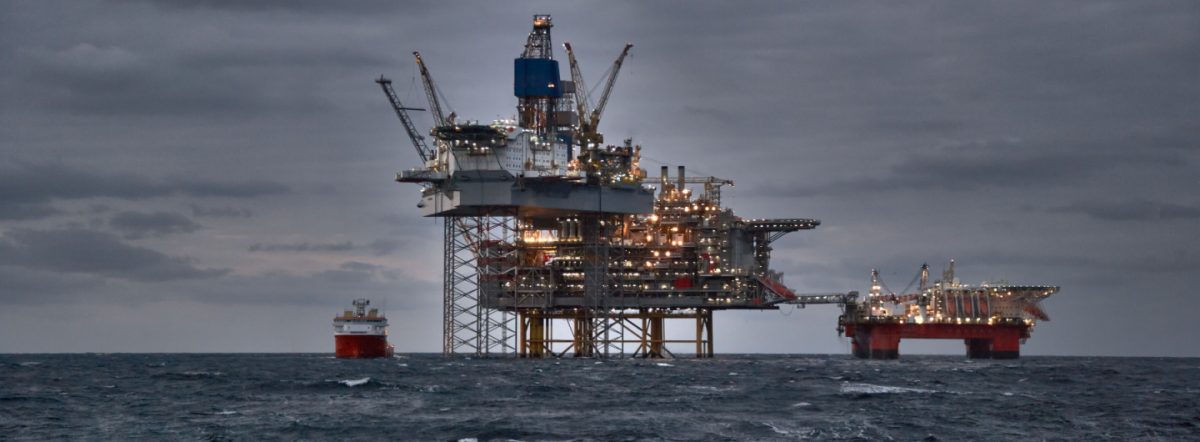
Years of new North Sea licenses produced 36 days of gas

New analysis by energy consultancy Voar shows that hundreds of oil and gas licences handed out by the previous government have delivered almost nothing in return.

Research by energy consultancy Voar found that seven licensing rounds between 2010 and 2024 led to just 20 new and re-licensed fields, which together have so far produced the equivalent of just 36 days of gas.

Even over their full lifetimes, those fields are expected to deliver less than six months of gas in total. Polling now shows public support for this shift, with a majority of Scots surveyed backing a move away from oil and gas and strong support for prioritising clean energy as the route to long-term jobs and investment.

Meanwhile, the chair of the Scottish Affairs Committee of MPs has claimed the Government should weaken the windfall tax on oil and gas companies, despite ministers reaffirming that the Energy Profits Levy will remain in place until March 2030 at the latest and be replaced by a reformed mechanism thereafter

A spokesperson for the End Fuel Poverty Coalition, commented:

“There is a real risk to households in clinging to a broken system that delivers high bills and volatile prices as the North Sea runs out of gas.

“Hundreds of licences handed out over the past decade have delivered barely a month’s worth of gas, while oil and gas jobs have more than halved. This industry is in geological decline, whether politicians like it or not

“Despite this, just 27 energy firms have made around £40 billion in UK profits in the last two years, even with the Energy Profits Levy in place. That is why the levy must continue, and why it must be followed by a stronger, reformed mechanism after 2030 that ensures energy companies contribute fairly while households are still struggling.

“But taxation alone is not enough. The UK needs a properly funded plan to manage the decline of the North Sea in a way that protects workers and communities, cuts bills, invests in clean energy and upgrades cold, leaky homes.

“The real test now is whether politicians will commit to delivering secure jobs, affordable energy and an end to fuel poverty, or if they allow the same broken system to keep failing people.”

Wind power shows how Britain can cut bills and create jobs

A raft of new renewables have been approved by Ministers to help secure Britain’s energy supply and protect households from price shocks linked to the cost of gas.

12 offshore wind projects have been given permission for development with an average wholesale cost of £90 per megawatt hour of energy generated (£90/mwh). In 2026 to date the cost of electricity generation has been around £94/mwh. The projects are expected to create at least 7,000 jobs.

Data from ECIU suggests that without wind power on the grid, the cost of electricity in 2025 could have been as high as £121 per MWh meanwhile, experts claim that new gas-fired power plants are unable to generate electricity much below £150/mwh.

Gas-fired electricity-generating power stations have also been controversial for charging extortionate rates to operate during peak demand times, making profits which were not subject to the Windfall Tax.

A spokesperson for the End Fuel Poverty Coalition commented:

“These auction results are exactly the kind of outcome households need after years of volatile bills driven by fossil fuels.

“Wind power is already cutting prices by pushing expensive electricity generated by gas-fired power stations off the system and this trend looks set to continue. With the North Sea running out of gas and new gas power plants taking close to a decade to deliver, renewables create a credible route to more stable pricing and energy security.

“But lower costs on paper must translate into lower bills in reality.

“Consumers need full transparency on how these contracts will affect prices, clear limits on excess profits across the energy industry and electricity pricing reform so the savings from clean power are properly passed through.

“If that happens, today’s announcement can be a real step towards ending fuel poverty, not just hitting targets.”