Fuel poverty risk index reveals areas under greatest energy bills threat

The Open Data Institute (ODI) has published a new report revealing the sections of society that are most affected by fuel poverty, the failings in fuel poverty data collection, as well as looking at the areas of the country where the problem hits the hardest.

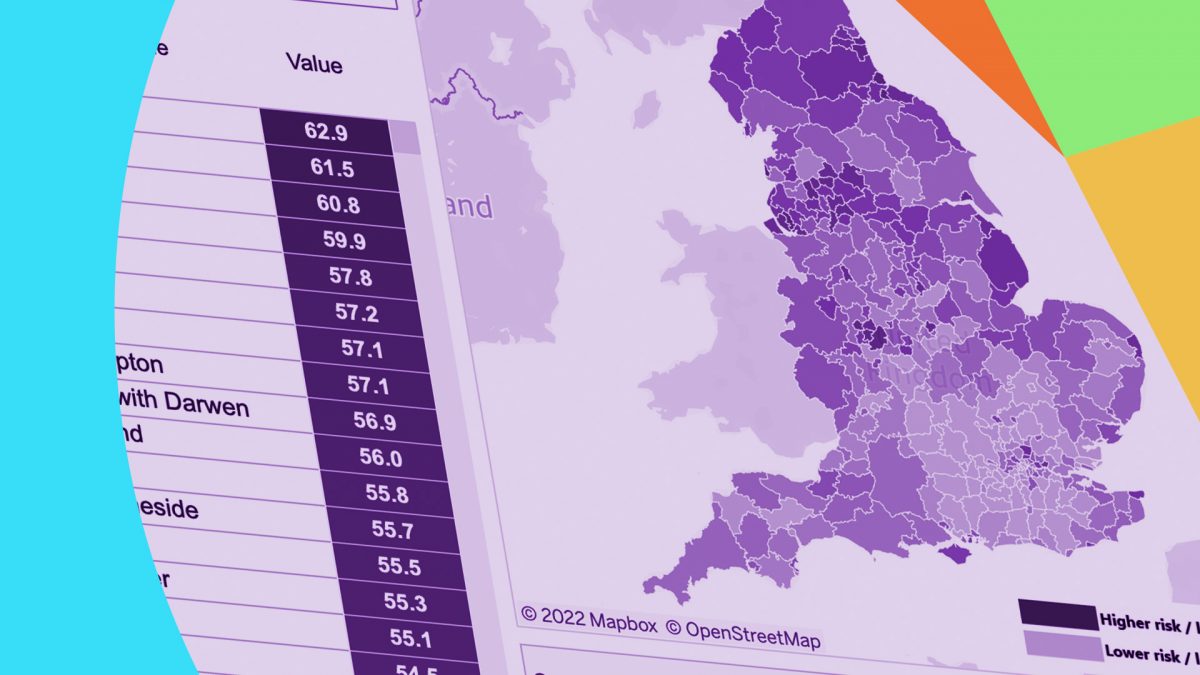
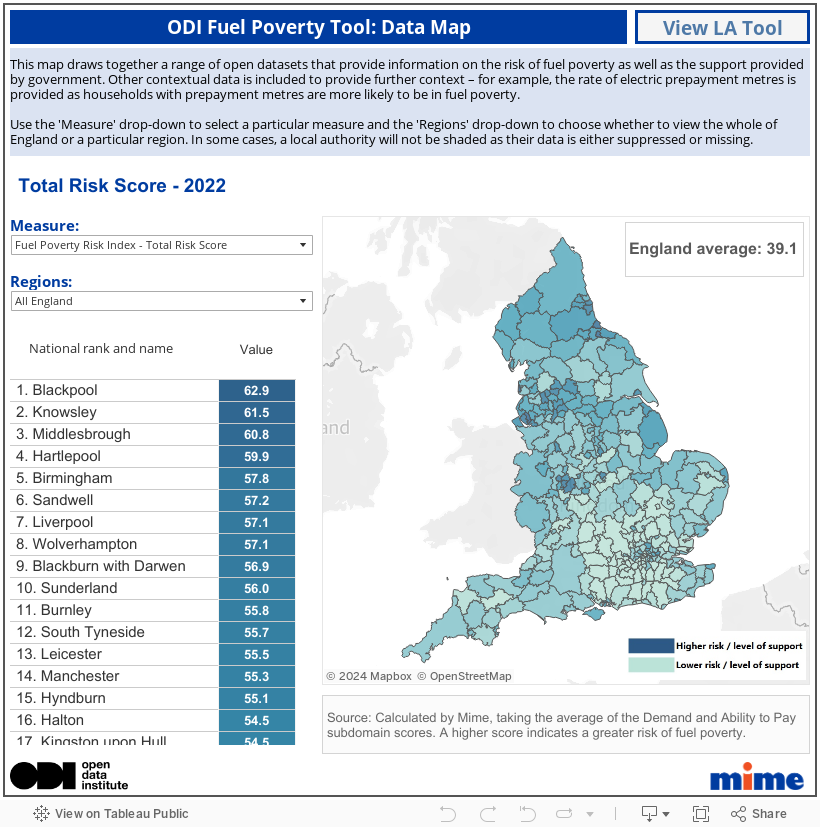
It has also published a new annual fuel poverty risk index, which calculates a score that estimates the risk of someone being in fuel poverty for each local authority in England.

The fuel poverty risk index contains a graphic tool that can be used to highlight the impact of fuel poverty across England.

The index will be updated annually and calculates the level of risk based on the demand for energy, the levels of poverty and the support that’s available to households in any given local authority area.

The index reveals that Blackpool, Knowsley, Middlesborough, Hartlepool and Birmingham are at greatest risk of fuel poverty. This paints a different picture to current fuel poverty statistics which are historic and produced by the Government.
Lisa Allen, Director of Data & Services at the Open Data Institute said:

Having an effective data infrastructure in place around fuel poverty would help to identify those who are in most need in a systematic way and could also highlight the longer term benefits associated with adequate investment in efforts to tackle fuel poverty.

In turn, this would assist government, charities, and those households in need of assistance with bills or energy efficiency.

It is important that this data is as up to date as is possible, so that decisions can be made in a timely manner and across factors.

This could help decide which groups to target when offering support and how much investment in fuel poverty support is optimal given short and long term impacts.

A spokesperson for the End Fuel Poverty Coalition, which is also part of the Warm This Winter campaign, said:

Fuel poverty is a public health emergency this winter and this report shows the areas of the country that are suffering the most.

Those areas of the country where energy use is high, poverty and ill health commonplace, and where there is a lack of mitigating energy efficiency measures in place, are in the eye of the storm.

The better use of data could, for example, help planning for surges in demand on the NHS as people who are elderly, disabled or with pre-existing health conditions suffer from the complications of living in a cold damp home.

Fuel bills set to soar under latest work from home rules

New research from Nottingham Trent University has revealed the likely impact of the latest work from home restrictions on fuel poverty.

According to the experts, working from home could cost some households an extra £45 per month more this winter in increased heating and electricity bills.

The Fuel Poverty Coalition told the BBC:

Increasing numbers of people right across the country are having to make the stark choice between heating and eating. As temperatures continue to hover around freezing and lockdown restrictions mean people are spending more time at home, so energy bills will soar.

Recently, Citizens Advice estimated an extra 600,000 households fell into fuel poverty due to previous lockdowns.

Separate figures show millions of people are already way behind on their fuel bills meaning the latest findings from Nottingham Trent University make for grim reading.

The additional concern is that, according to experts, fuel poverty can make respiratory illnesses worse – meaning conditions such as Covid may be exacerbated by cold damp homes.

While the long term solution to ending fuel poverty is more energy efficient buildings, and programmes like the Government’s Green Homes Grant will help facilitate this, there is a real need for energy debt relief for millions of families immediately.

Employers could help by paying the energy bills of staff working from home, but it is likely that the government will need to step in to provide much more emergency support to those living in freezing conditions right now.

A study led by Professor Amin Al-Habaibeh, an expert in energy efficiency and intelligent engineering systems, shows that people in England’s 600,000 most inefficient properties could face almost an extra £28 in heating bills per month while the average pandemic home
worker will pay more than £17 extra on electricity.

However, those who previously commuted long distances to work, and who live in energy efficient properties, could make savings by working from home and reduce their carbon footprint at the same time.

Professor Al-Habaibeh, of the School of Architecture, Design and the Built Environment, said:

The COVID-19 pandemic is forcing many people to work from home and this clearly has a major effect on domestic energy consumption, as well as the nature of our carbon
emissions.

The results show that a family living in a well-insulated home and who normally use a car to travel to work will not be affected significantly in terms of their household budget, as they will save on diesel or petrol.

It also shows that the increase of carbon emissions from heating their homes will on the whole be compensated by the reduction in car use.

But for a family with a poorly insulated house who in normal circumstances do not travel long distances to work, working from home over winter will cause much more of a strain on their budget as they will be consuming more energy.

Researcher Arijit Sen, who worked on the project, said:

There is clearly a risk highlighted here that households which already suffer from energy poverty could experience a worse
financial situation during a winter lockdown if they are working from home.

While many people in employment will be better off financially due to the current situation, there will be a number of people who will find working from home a much more expensive
option for them. This project shows the importance of building insulation and its effect on household budget.