
More than three years after the forced prepayment meter scandal first broke, households are still facing forced entry into their homes under a court system now itself under formal investigation.
The 1st February 2026 marked the third anniversary of the Times‘ undercover investigation into British Gas. The Ofgem investigation into the firm is still ongoing with the regulator unable to confirm when it will be completed.
Campaigners continue to call for a full ban on forced PPMs until the justice process is proven to be transparent, lawful and safe.
What are “forced prepayment meters” (PPMs)?
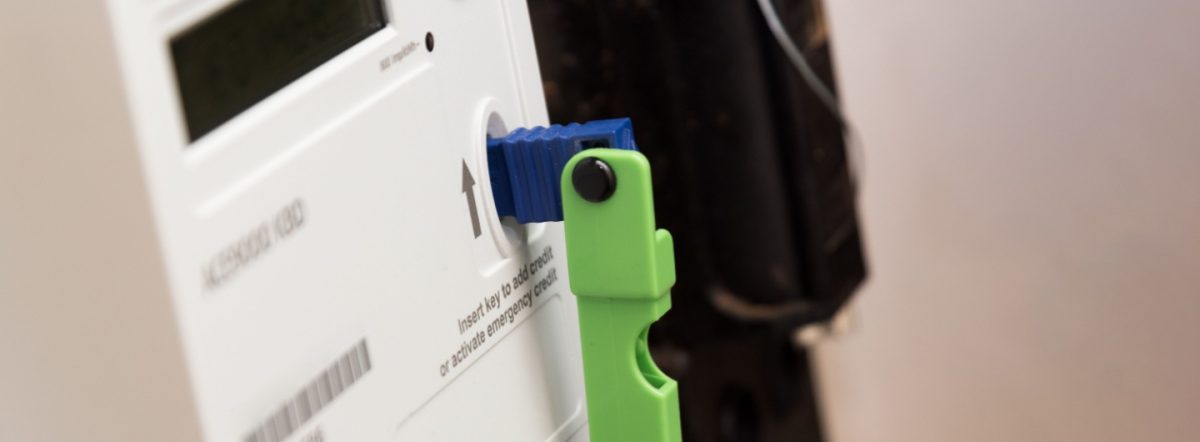
Forced prepayment meters are installed when an energy supplier uses a court warrant or remote smart-meter switching to move a household onto pay-as-you-go energy without their consent, usually because of debt. When credit runs out, energy supply stops, leading to “self-disconnection”.
Key ongoing concerns
- Lack of transparency: warrants approved in private, limited records, no public scrutiny.
- Bulk processing: large batches approved together, sometimes after only a small “sample” was reviewed.
- Procedural failings: reports of errors being found in some applications but the rest being approved regardless.
- Risk to vulnerable households: including disabled people, those on the Priority Services Register and people living in cold, damp homes.
- Regulatory delay: Ofgem’s British Gas investigation remains unresolved almost three years on.
- Ongoing harm: energy debt remains at record levels, with PPM households at highest risk of self-disconnection.
Timeline
Before 2022
Forced PPM installations and warrant use were routine but largely hidden from public view.
2022
Media investigations reveal the scale of forced PPM installations and mass court warrants (4th December, the i). Evidence emerges of magistrates’ courts approving bulk applications with minimal scrutiny. Public and political concern grows over forced entry into homes of vulnerable customers.
Early 2023
The scandal escalates after reporting (1st February, the Times) exposes the practices of major suppliers, including British Gas.
Energy firms agree to a voluntary pause on forced PPM installations which campaigners say doesn’t go far enough.
Ofgem launches compliance reviews and enforcement investigations.
Mid–late 2023
As the public calls for a ban on forced PPMs and fresh concerns about energy firm behaviour toward vulnerable households are raised in the media, new “safeguards” and court processes are developed.
Ministers are accused of a dereliction of duty as a public consultation on the issue by Ofgem is overwhelmed with responses.
While formalised Ofgem rules replaced the voluntary commitment from 8 November, campaigners warn that a “cloak of secrecy” remains around warrant hearings and that the system risks repeating past failures.
2024
Some suppliers are allowed to resume forced installations under revised rules.
Ofgem announces redress and compensation schemes, but major enforcement cases continue.
2025
Energy debt reaches new highs.
Ofgem’s investigation into British Gas remains unresolved, now approaching three years.
Fresh reporting by journalists reveal that large batches of warrants are being approved. In some cases hundreds of warrants were authorised after only a small “sample” was reviewed and even when errors were identified in some applications, the rest were approved in bulk.
Following these revelations, the Chief Magistrate launches a formal review of the warrant process in England and new calls for a legislative ban on the process are made to Ministers.
Anne McLaughlin, the former SNP MP for Glasgow North East, led much of the Parliamentary pressure on the issue. She called the ongoing scandal “utterly ridiculous” and said:
“The fact that forced installations are still happening while both the courts process and Ofgem’s original investigation remain unresolved shows how little confidence there can be in the current system.
“The regulator has been painfully slow in investigating one of the worst culprits and as time drags on, memories fade and the people affected by the scandal are still to see justice done.”
Simon Francis, coordinator of the End Fuel Poverty Coalition, commented:
“It is beyond belief that more than three years after the forced prepayment meter scandal first broke, families are still facing forced entry into their homes under a court process that is now itself under formal investigation.
“No one should be pushed onto a prepayment meter, or threatened with a warrant, simply because they are struggling to pay their energy bills.
“Until the Chief Magistrate’s review is complete and the system is proven to be transparent, lawful and safe, all forced prepayment meter installations must stop.”
Frazer Scott, CEO, Energy Action Scotland, said:
“It is unbelievable and inconsistent with high standards of consumer protection that it has now taken 3 years to investigate the behaviour of British Gas.
“In cases of suspected wrongdoing it should act swiftly to ensure that people are not put at risk. Many vulnerable people remain at risk of a forced installation until all outstanding investigations are concluded.
“9 energy suppliers have resumed forced prepayment meter installations. Others may yet restart. It is a worrying time for those in debt to their energy supplier, debt that stands at over £4.5bn.
“Consumer protection should be at the beating heart of the energy regulator, it needs to do more.”
Jonathan Bean, Spokesperson from Fuel Poverty Action, added:
“Forced prepayment meters are inhumane and dangerous. Disconnecting people from essential heating and power when they are short of cash is the exact opposite of energy security. Ofgem continues to fail in its statutory duty to protect us.”
ENDS
More background information available here: https://www.endfuelpoverty.org.uk/about-fuel-poverty/forced-pre-payment-meter-transfer/