Warm Home Discount extended across GB through to winter 2030/31

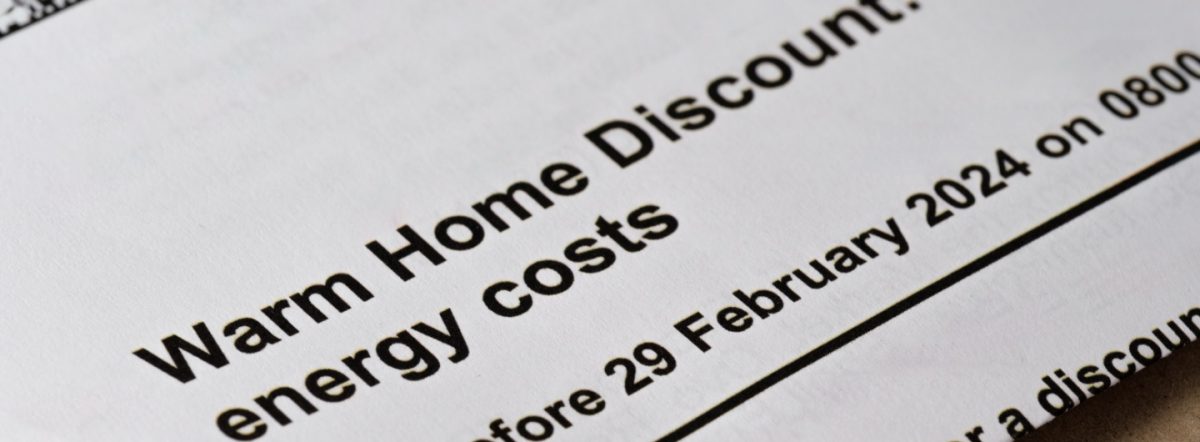
The £150 Warm Home Discount will be provided to eligible households every winter until 2030/1.

It follows the expansion of the Warm Home Discount last year, adding 2.7 million families to the scheme and bringing the total number of eligible households to around six million.

In England and Wales, households who are receiving a qualifying means-tested benefit should get the discount automatically.

In Scotland, the UK Government has implied that significant changes are expected. While an estimated 345,000 Scottish households will receive it automatically, some who previously received the benefit may now miss out.

A spokesperson for the End Fuel Poverty Coalition, commented:

“As gas prices continue to demonstrate their volatility, reaching an 11-month high in recent days, keeping the Warm Home Discount in place avoids a damaging cliff-edge for households struggling through a fifth winter of the energy bills crisis.

“But simply rolling it forward at the same level, with the same rules, risks locking in a scheme that we already know doesn’t reach everyone who needs help.

“If Ministers intend the Warm Home Discount to be the backbone of energy bill support to 2030, they cannot freeze it in its current form.

“Right now, too many people are left out altogether or not given enough support to make a meaningful difference. This includes households with electric-only heating, people living off the gas grid, residents of park homes and private networks, and families facing much higher costs because of disability, illness or poor housing.

“Without uplifts for high-cost households and a clear application route for those not captured by the main scheme, it will continue to miss large numbers of people in genuine fuel poverty.

“Industry Initiatives must also be properly funded and strengthened to catch those the support excludes, including people on non-standard supplies and those with additional health needs. And in Scotland, any move to automatic data-matching must be matched by expanded Industry Initiatives, clear supplier duties, and close monitoring to ensure households who previously qualified do not quietly lose support.”

The Coalition’s full response to the Government’s consultation on this issue is available as a pdf.
Vulnerable customers left waiting 19 months for winter support

Thousands of OVO customers did not receive their Warm Home Discount payments for winter 2023/24 until November 2025, more than 19 months late, leaving thousands without vital support during the coldest winter months.

Of the customers impacted, 7,726 were on the Priority Services Register and classed as vulnerable energy consumers, including 4,066 who were medically vulnerable. OVO will pay a total of £2,765,200 in compensation, including £150 to all affected customers, an additional £150 to those who are medically vulnerable, and £100 for each instance of self-disconnection between 31 March and 31 May 2024.

A spokesperson for the End Fuel Poverty Coalition, commented:
“This is a shocking failure that left thousands of vulnerable households without vital support when they needed it most.

“No one should be forced to go through winter without support because a supplier failed to meet its obligations. While compensation is right, it does not undo the harm caused by people missing out on help during the coldest months, when the risks to health and safety are highest.

“This case underlines why protections for vulnerable households must be automatic, enforceable and backed by meaningful penalties. It also shows why we need stronger consumer standards and faster redress when things go wrong. In this context, it is utterly absurd that Ofgem is currently considering plans to water down regulations in its ‘consumer outcomes’ consultation.”

Ministers should go further on Warm Home Discount reforms

The UK Government’s proposed expansion of the Warm Home Discount (WHD) is a welcome step, but campaigners have urged ministers to go further in ensuring vulnerable households receive the support they need this winter and beyond.

From 1 April 2025, energy bills will rise by 6.4%, keeping costs at levels 77% higher than in 2020.  Millions of households – especially older people, renters, prepayment meter users, and those with health conditions – are struggling to afford these soaring costs.

In a consultation issued by Government, Ministers have proposed removing the high-cost-to-heat threshold from WHD rules which means that more means-tested benefit claimants will be able to qualify for the scheme.

However, in the End Fuel Poverty Coalition response to the consultation, experts stress that disabled people and those on non-means-tested disability benefits must also be included, as they often face significantly higher heating costs.

Furthermore, campaigners argue the WHD should be increased in line with inflation and funded from sources like the £4bn in excess profits made by energy network companies, rather than customer bills.

Expanding the Park Homes Warm Home Discount Scheme (PHWHDS) is also crucial, as many in atypical housing arrangements have been excluded from previous energy support. This includes people living in park homes who tend to be older and also those such as Gypsy, Traveller, and Boater communities.

However, there are concerns that broadening the scheme without increasing funding will mean many existing and newly eligible households could miss out.

A spokesperson for the End Fuel Poverty Coalition, commented:

We strongly support the expansion of the Warm Home Discount as set out in the consultation. However, we believe that in expanding the scheme, the Government must also extend the support to more households who will otherwise suffer in cold damp homes next winter.

“Ministers’ proposals must also be properly resourced, rather than diverting money from energy advice initiatives that help those struggling with energy costs.

“Looking ahead, we need to see a more sustainable, long-term energy bill support scheme that targets all low-income households, including those with high energy needs who do not receive means-tested benefits.”

ENDS

Full consultation response available:  https://www.endfuelpoverty.org.uk/news/reports-and-correspondence/

Image credit: Ascannio / Shutterstock.com