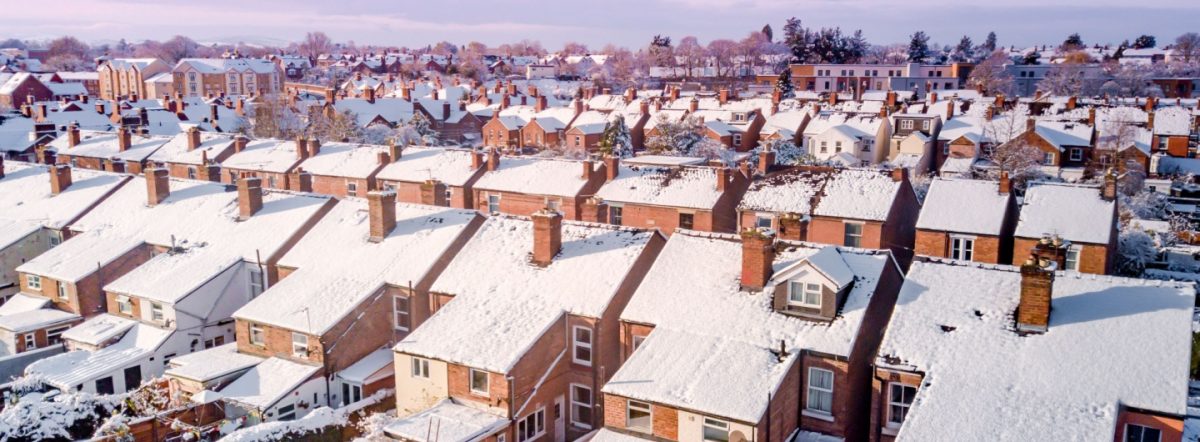
A marginal change to the energy price cap will put more pressure on struggling households this winter, campaigners have warned, with average bills still set to remain almost £700 higher than before the energy crisis.
Even when the changes to bills announced in the recent Budget come into effect in the spring of 2026, average energy bills will remain higher than they were in winter 2020/2021 and above the level of the price cap at the last General Election.
Meanwhile, evidence shows unsafe housing conditions are becoming entrenched. Almost a third (29%) of adults say they are unable to keep their home at the recommended minimum temperature of 18°C. [1]
For 14% of UK adults, the situation is so severe that they consider themselves to live in cold, damp homes, with much higher rates among low-income households, families with children and people with long-term health conditions.
Campaigners warn that these conditions are not just uncomfortable, but dangerous.
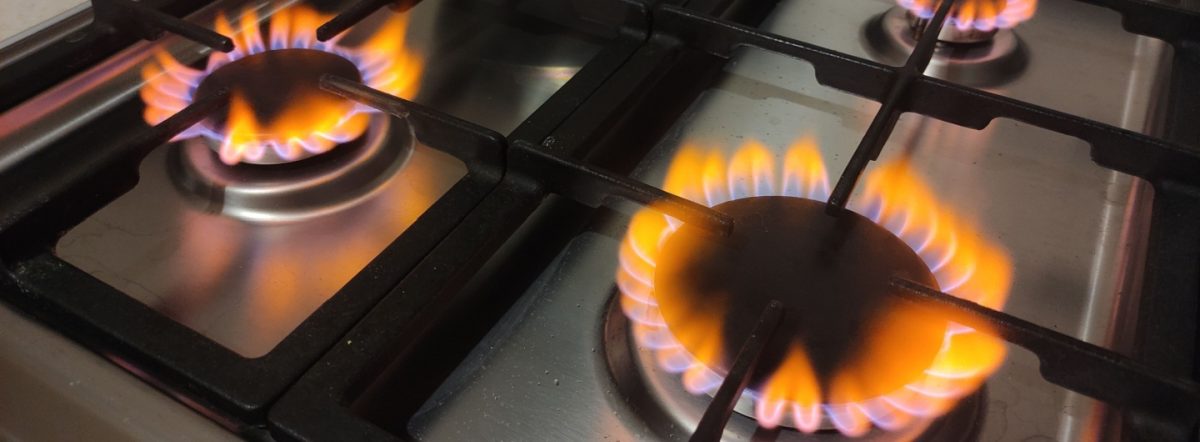
Among those living in cold, damp homes, almost one in five (18%) say they have experienced high levels of carbon monoxide in their home in the past 12 months. [2]
Yet even as households face growing risks, regulatory decisions continue to protect industry returns.
In the detailed price cap documents, Ofgem confirmed that the Earnings Before Interest and Tax (EBIT) allowance built into the cap will rise by £1.51 per household from January to March 2026. This represents a 4% increase, potentially handing suppliers millions of pounds of extra profit while the average household energy bill will rise by 0.2 percent. [3]
More broadly, analysis shows that just 27 energy companies from across the industry have made more than £125bn in UK profits since 2020, forming part of more than half a trillion pounds in global profits across the sector during the energy crisis. More than four-fifths of those profits come from companies with extensive involvement in the gas industry.
But reliance on gas is not only driving bills and profits – it is also a shrinking and risky foundation for the UK’s energy system.
Official data shows the UK will no longer be able to meet national heating demand using domestically extracted gas from 2027, underlining the growing disconnect between record profits and a North Sea basin in long-term decline.
A spokesperson for the End Fuel Poverty Coalition, said:
“It really is a case of every little doesn’t help as cold weather grips the country and the price cap nudges upward.
“Households are facing their fifth winter of unaffordable energy bills. For millions of people, this cold isn’t an inconvenience, it’s a real risk to health and safety as they struggle to keep homes warm.
“More households are being pushed into cold, damp homes where cutting back on heating, delaying repairs and blocking ventilation increases the danger of carbon monoxide exposure.
“At the same time, the energy industry has made more than £125bn in UK profits since 2020, including firms operating in a declining North Sea. Ministers must act now by funding the Warm Homes Plan, fixing energy pricing and introducing a fair social tariff so people can stay safe every winter.”
ENDS
[1] Opinium conducted an online survey of 2,000 UK adults between 25th and 27th November 2025. Results have been weighted to be nationally representative.
18 degrees centigrade is the level advised by World Health Organisation experts to reduce the risk of illness. Telfar Barnard L, Howden-Chapman P, Clarke M, Ludolph R. Web Annex B. Report of the systematic review on the effect of indoor cold on health. In: WHO Housing and health guidelines. Geneva: World Health Organization; 2018 (WHO/CED/PHE/18.03). Licence: CC BY-NCSA 3.0 IGO.
[2] Carbon monoxide, which is colourless, odourless and potentially fatal, is produced by faulty or poorly ventilated gas appliances, with risks increasing when heating systems are under-used or poorly maintained due to cost pressures.