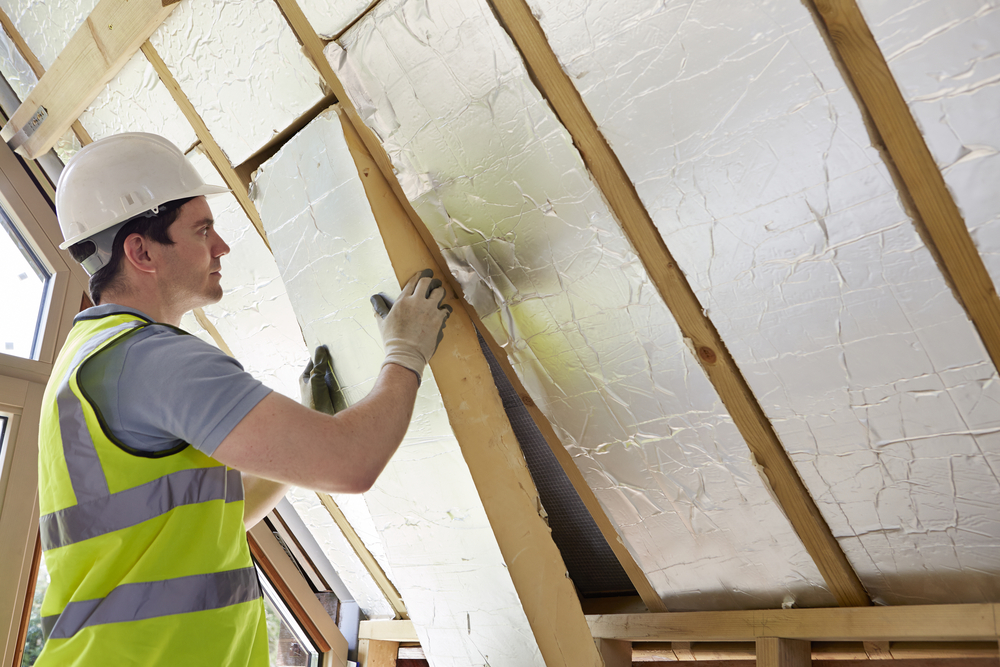
The Public Accounts Committee report into botched insulation schemes set up by the previous government confirms that the Energy Company Obligation was allowed to operate within a system that was fragmented, poorly overseen and fundamentally unfit to protect vulnerable households.
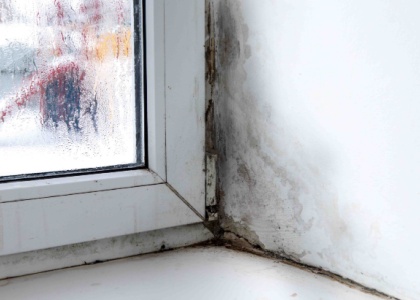
Over 30,000 households have been left with defective installations, many facing damp, mould, stress and in some cases serious health and safety risks.
Such is the extent of the problem, the report recommends ‘given the likely role of fraud in the poor quality installations, the Department should refer the issue to the Serious Fraud Office to investigate.’
A spokesperson for the End Fuel Poverty Coalition commented:
“The report confirms a clear failure of a system that was supposed to protect people in fuel poverty.
“Done properly, home upgrades and insulation are among the safest ways to bring down energy bills. Done badly, as we’ve seen, they can cause real harm.
“Thousands of households have been left living with defective insulation, facing damp, mould, stress and in some cases serious risks to their health and safety. The Committee is right to say there were serious failings at every level. What’s shocking is not just the scale of the damage, but how long it was allowed to happen without effective intervention. The priority now must be to find and fix every affected home as fast as possible, with a cast-iron guarantee that no household will pay a penny to put this right.
“And this must also mark a turning point. If the government’s Warm Homes Plan is to succeed, it has to be built around a Warm Homes Guarantee which gives every household independent advice, guarantees quality and rapid fixes when things go wrong, provides clear consumer protection and redress, and delivers a simple promise that bills will actually come down after the work is done.”
Fuel Poverty Action (FPA) has called for the £428 million earmarked for the scheme’s wrap up and remediation is actually used to get good contractors to fix damaged homes where other routes have failed. Jonathan Bean from FPA commented:
“We would love to believe the Warm Homes Plan’s claim that five million homes will be successfully upgraded and bills and fuel poverty slashed. However the catastrophic failures of current retrofit schemes shows this is very unlikely.
“The Government needs to get its own house in order with rapid action to fix the tens of thousands of defective ECO4 and GBIS retrofits, boost skills training, guaranteed bill savings and quality assurance.”