Millions spending winter in cold damp homes

New figures reveal that 16% of UK adults (8.3m people) live in cold damp homes, exposed to the health complications that come from living in fuel poverty. [1]

This includes over 1.7 million of the UK’s most vulnerable, according to the latest data from the Warm This Winter campaign.

As well as the most vulnerable being more affected – such as those aged over 75, living with an under 6 year old, or having a preexisting health condition or disability – there are stark differences based on the type of energy bill households have and where they live.

A third of smart meter customers who have a prepayment meter setting (32%) say they live in a cold damp home with 27% of those on traditional PPMs saying the same. Almost a quarter (22%) of standard credit customers are in cold damp homes, yet just 11% of direct debit customers live in such conditions. [2]

Households in London are most likely to be living in cold damp homes, with a quarter (23%) of the capital exposed to such conditions. Londoners are closely followed by people in Yorkshire & Humber (22%), the West Midlands (18%) and the North West (17%) as having the most exposure to dangerous living conditions. 

The NHS warns that people with damp and mould in their homes are more likely to have respiratory problems, respiratory infections, allergies or asthma. 

Damp and mould can also affect the immune system while living in such conditions can also increase the risk of heart disease, heart attacks or strokes.

Cold homes can cause and worsen respiratory conditions, cardiovascular diseases, poor mental health, dementia and hypothermia as well as cause and slow recovery from injury.

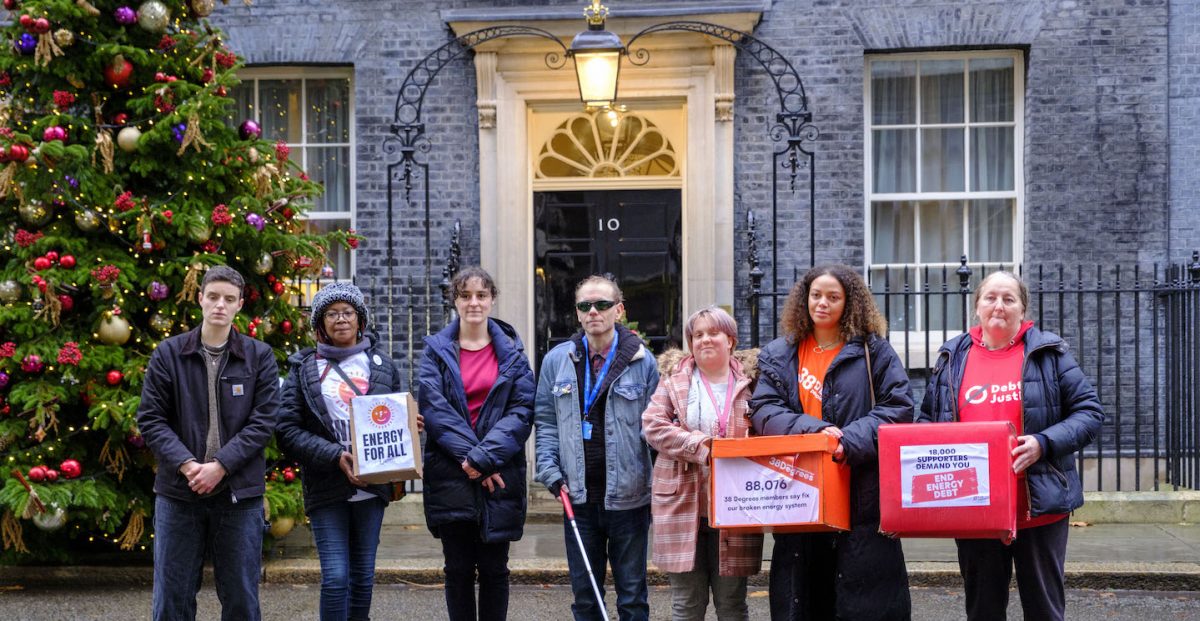
Petitions with over 800,000 signatures have been handed into the Prime Minister calling for more action to bring down bills now, end energy debt and to help end the cold damp homes crisis now facing the country. [3]

Fiona Waters, spokesperson for the Warm This Winter campaign, commented:

“It is no wonder that the public are now signing petitions in droves and pointing the finger of blame for the crisis on Ministers who have failed to act to protect the public from this crisis.

Instead of help in the form of an Emergency Energy Tariff for vulnerable households and a Help To Repay scheme for those in energy debt, the public will instead be faced with increasing energy bills on 1 January 2024.” 

A spokesperson for the End Fuel Poverty Coalition, commented:

“The Government needs to get a grip on the cold damp homes crisis now facing the country, with people spending the festive period in Dickensian conditions and unable to stay warm this winter. 

“Without immediate action, the cost of this crisis will be felt by increased demand on the already overstretched NHS. 

“Ultimately, a failure to protect people from living in cold damp homes will cost lives.”

Dr Isobel Braithwaite, a health and housing researcher at UCL, said: 

“This data shows a shockingly high prevalence of cold and damp homes in the UK, which poses a grave risk to the public’s health. These conditions are severely harming the health of the most vulnerable in society: from young children; people with heart and lung conditions; to older people, and this situation is unconscionable in 2023.

“These impacts are being driven by political choices, and action is urgently needed to address the causes of this health crisis, both to protect vulnerable households with the campaign’s proposed emergency measures, as well as longer-term action with home retrofit schemes.”

Kay Ballard from Debt Justice who was part of the petition hand in said: 

“Lack of government support and energy company profiteering means that this Christmas I have a choice between going into debt or living in a cold damp home. It is an impossible choice and only government action can solve the crisis.”

Raymond Bradley a 38 Degrees Supporter who was part of the petition hand in said:

“I feel let down by this Government. Each year I am colder, struggling more and with less support. I am blind and the devices I use to help me get through life daily take a lot of electricity to charge. My partner has health issues that means we HAVE to be warm and we’re choosing between heating, charging the devices that help me live my life and eating. It’s no way to live. All I ask from Rishi Sunak and his Government is to fix this broken energy system.”

Stuart Bretherton from Fuel Poverty Action said: 

“Over 660,000 people have endorsed our demand to ensure everyone’s essential energy needs are met, it’s not radical. There’s more than enough money in energy firm profits and subsidies to guarantee an adequate level of Energy For All to keep everyone warm and safe.”

ENDS

Image of petitioners outside 10 Downing Street © Jess Hurd

[1] Methodology note: Opinium conducted a nationally representative survey among 2,000 UK Adults from the 24th – 28th November 2023. Results were weighted to be nationally representative. Population estimates based on ONS projections of adults aged 18+ for mid-2021 (the latest figures available), i.e. UK 18+ population 53,188,204.

[2]  Small sample sizes were available for district heating (34% in cold damp homes) and off grid (23%) customers.

[3] Petition information

38 degrees  – Over 88,000 signatures asking for support on energy bills this Winter. 

Debt Justice – Over 17,000 signatures demanding the government urgently act by bringing down bills and help families get out of debt.  

Fuel Poverty Action – over 660,000 signatures demanding #EnergyForAll – Everyone has a right to the energy needed for heating, cooking and light

Warm This Winter – Over 41,000 signatures demanding the Treasury introduce an Emergency Energy Tariff to keep people warm this winter. Also hosted on 350.org 
Chilling figures show children at risk from mould

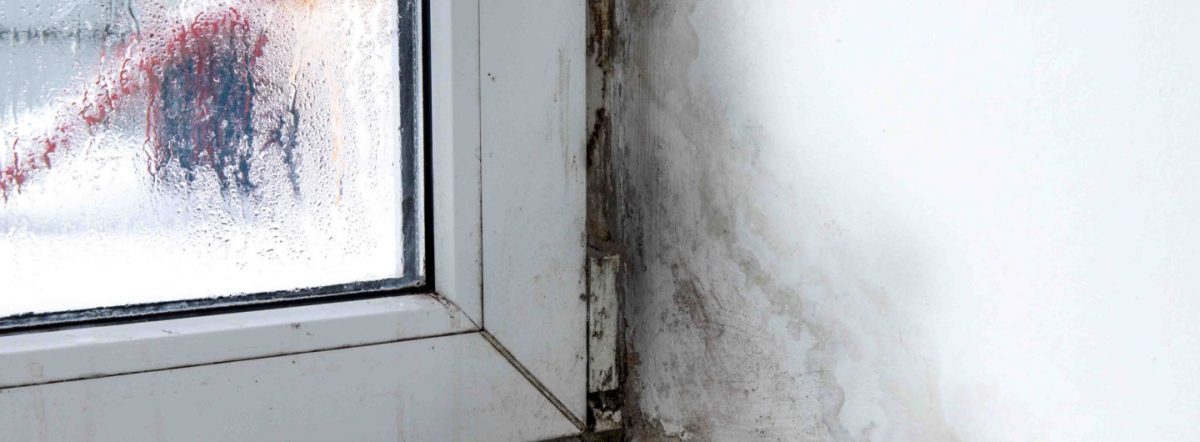
One in ten new or soon to be parents frequently experience mould in their homes as Britain’s energy crisis bites hard.

The new data was revealed by the Independent and is based on research for the Warm This Winter campaign and suggests that around 850,000 (9.6%) of people who have a child under 6 or who are pregnant (or their partner is pregnant) are exposed to mould frequently. [1]

The numbers increase further to 3.4m (38%) people who have frequent or occasional exposure to mould and who have a child under 6 or who are pregnant.

The tragic case of Awaab Ishak highlighted the need to take the issue of mould in UK homes seriously and the NHS advises all young children to be kept away from damp and mould.

Not only does damp and mould produce mould spores and other toxins that are harmful to health, but even excessive moisture can lead to the growth of mould and other fungi, certain species of house dust mites, bacteria or viruses. 

Rachel Kirby-Rider, Chief Executive at Young Lives vs Cancer, explains: 

“No child should be living in damp or mouldy housing, but for some of the children and young people with cancer we support, this is the reality. For them, the risk of infection is high, and living in a house that is damp or has mould increases this infection risk and other health impacts, leading to hospital admissions or worse. 

“It is vital that the government takes action to make sure that children and young people with cancer have warm homes, free of mould, that are a safe haven for them during their treatment.” [2]

The Government warns that the “more serious the damp and mould problem and the longer it is left untreated, the worse the health impacts and risks are likely to be.” The solutions to mouldy damp homes are insulation and better energy efficiency of buildings as well as access to cheaper renewable energy.

A spokesperson for the End Fuel Poverty Coalition, commented:

“These chilling findings underline why we need further urgent action from the Government to step in and help households stay warm this winter. 

“Vulnerable households, including young families and expectant mothers, are struggling because of Ministers’ failure to provide emergency financial assistance this winter and longer term failures to invest in the permanent solutions to fuel poverty, such as insulation and reform of energy pricing.

“Instead of help from the Government, in the form of an Emergency Energy Tariff for vulnerable households and a Help To Repay scheme for those in energy debt, all parents got from the Chancellor in the Autumn Statement was the cold shoulder.

“The real life impact of decisions made in Westminster are now clear to see.”

Fiona Waters, spokesperson for the Warm This Winter campaign which commissioned the research, commented:

“Families are feeling the squeeze from every direction with the lowest living standards since records began and the poorest and most vulnerable in society bearing the brunt of sky high energy bills which will be increasing again in January.

John McGowan, General Secretary of the Social Workers Union, commented:

“Across the country social workers report seeing families struggling in living conditions that are more like Victorian novels than modern day Britain. It’s clear that households – especially those most at risk from the health complications of living in cold damp homes – need more support.”

Jonathan Bean from Fuel Poverty Action added: 

“We’ve long argued that young children must be protected and kept warm in the winter. This is why the energy industry’s rush to start forcing households with children over the age of two onto prepayment meters, which can click off and leave people without energy, doesn’t make any sense.”

ENDS

[1] Methodology note: Opinium conducted a nationally representative survey among 2,000 UK Adults from the 24th – 28th November 2023. Results were weighted to be nationally representative. Population estimates based on ONS projections of adults aged 18+ for mid-2021 (the latest figures available), i.e. UK 18+ population 53,188,204.

[2] Young Lives vs Cancer Social Worker Rebecca recently blogged about the poor quality housing issues faced by some children and young people with cancer.

Nine million adults spent Christmas in Dickensian conditions

Millions of adults with pre-existing serious health conditions are spending the Christmas and New Year period in cold damp homes, according to new research. [1]

The figures for the Warm This Winter campaign reveal the growing depth of the energy bills crisis – especially among the most vulnerable.

18% of the population (9.02m adults) are living in cold damp homes this month, with a quarter of people with health conditions which are made worse by cold and damp unable to heat their homes to a safe standard (26%, 4.75m).

A third of those with disabilities (28%, 1.9m) live in cold damp homes.

The research also reveals that people are not just concerned about their own welfare. One in ten of the population (9%) are worried about an older relative being exposed to the health impacts of living in a cold damp home. Almost a third (27%) were worried about the impact of fuel poverty on their local community.

And despite Government campaigns calling for people to save energy, over half (55%) believe they had already implemented energy reduction measures prior to this winter – with 15% already cutting back their energy use to the bare minimum necessary to keep safe.

Jonathan Bean from Buckinghamshire, describes his experience of fuel poverty:

It’s a daily battle for my asthmatic son and I to keep our home free of mould and damp.

We have dehumidifiers and electric heaters running as much as we can afford to, but that still doesn’t keep the home any warmer than 12 degrees.

We even had ice forming inside our double glazed windows during the recent cold weather.

Our electricity bills keep going up and while others who are ‘off the gas grid’ have had extra government support, we haven’t.

A spokesperson for the End Fuel Poverty Coalition which is part of the Warm This Winter campaign, commented:

As we get deeper into winter, our worst fears about rising energy bills are being realised.

We are now a nation unable to keep itself warm, concerned for the well being of our nearest and dearest and spending a festive season suffering in cold damp homes.

Jacky Peacock from Advice for Renters, a charity working with those in fuel poverty in North London, added:

We used to read Dickens at Christmas with a sense of nostalgia, but now Dickensian conditions are back for those who can’t afford to heat their homes this winter.

Graham Easterlow, Chief Executive of East Durham Trust in Peterlee, said:

Working in the most left behind place in England we see the devastating effects that poor housing has on people’s health and wellbeing. With many unable to heat their homes we fear that more homes will suffer with damp and cold.

Alice Harrison, Fossil Fuels Campaign Leader at Global Witness, commented:

It’s scandalous how many people will be celebrating Christmas this year in cold, damp homes.

If our government was serious about addressing energy poverty this winter it would hike taxes on the oil and gas companies that have made billions on the back of the skyrocketing cost of energy and the impoverishment of millions of UK citizens.

Simon Brammer, Head of Cities at climate solutions charity Ashden, said:

How is it possible in the world’s sixth richest country that people are still living in cold, expensive to heat homes, causing misery and poor health for millions?

We urgently need a UK-wide, 10-year, street-by-street retrofit plan that is properly funded – combined with a skills strategy to ensure we have the skilled labour to deliver it.

Graham Duxbury, Chief Executive of Groundwork UK added

We are desperately worried about the mental and physical health effects of people living in cold, damp homes this Christmas.

Our Green Doctors are making an unprecedented number of home visits to deliver energy advice and tell us that they are seeing more and more people living in ‘pre-Victorian conditions’, forced to survive without heat and cutting back on essential personal items.

This is not a short-term crisis but a long-term need, which can only be resolved by putting in place extra protection for those most vulnerable, a more coordinated approach to funding advice services and by ramping up efforts to retrofit homes.

Stuart Bretherton, Energy For All Campaign Coordinator at Fuel Poverty Action, said:

The political choices of this government are quickly turning this poverty crisis into a public health crisis, which could result in an unprecedented number of deaths from cold and damp this winter.

This is in a year that profits for energy companies have doubled or even tripled in some cases. With this money you could end deaths from fuel poverty by making sure everyone could access enough energy to meet their basic needs.

ENDS

‘Dickensian’ graphic used is from Shutterstock and is an artists conception.

[1] 2,186 people interviewed between 20-21 December 2022. Results were weighted to be representative of the GB population.

The GB population aged 18 or over stands at 51,435,642 (ONS) and population statistics are derived from this number. The figures apply to adults only and the number of children also in cold damp homes would be in addition to this. Deeper analysis of the data will be published in the new year on this issue.

[2] Comparison with previous research

Nov 2022 [3] Dec 2022 [1]
All adult public in cold damp homes 19% 18%
Vulnerable adults in cold damp homes 22% 21%
Adults with health conditions in cold damp homes 26% 26%
Elderly people in cold damp homes 10% 10%
Disabled adults in cold damp homes 28% 29%
Young families in cold damp homes 26% 21%
Rural and vulnerable adults in cold damp homes 23% 20%
BAME adults in cold damp homes 22% 24%
Pre-Payment Meter (PPM) Customers in cold damp homes 31% 36%

[3] 2,198 people interviewed between 29-30 November 2022. Results were weighted to be representative of the GB population.