Millions of people across the UK are still living in cold, damp homes, with new research showing that those with existing health conditions remain far more exposed than the general population, deepening health inequalities and adding pressure to the NHS. [1]
As energy bills remain 69% higher than in winter 2020, the latest End Fuel Poverty Coalition polling for 2025 finds that 14% of adults say they live in a cold, damp home, which remains broadly in line with 2023 and 2024 (16%). However, there are stark disparities affecting vulnerable groups.
People with health conditions are significantly more likely to say they live in cold, damp homes in 2025, with rates rising to 22% for people with lung conditions and 25% for people with mental health conditions. The figure also remains high for people with other long-term conditions such as motor neurone disease, Alzheimer’s and Parkinson’s, at 24%.
Housing tenure also continues to play a major role. One in five renters in the private rented sector say they live in poor conditions.
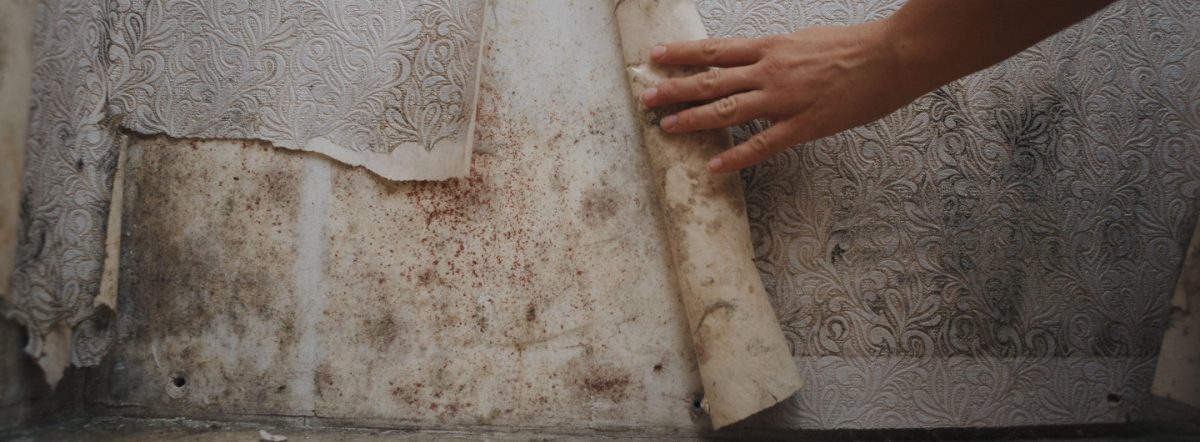
In cold and damp homes, the presence of mould is an almost ever present issue. More broadly among the general public, the 2025 research shows that 26% of adults report mould in their homes frequently or occasionally in the last 12 months, only a slight fall from 29% in both 2023 and 2024.
People with health conditions face elevated levels (32%), with in particular people with mental health conditions (35%), being more likely to report mould.
With over two fifths (41%) of people still worried about being cold this winter due to the energy crisis, the findings have raised concerns among campaigners that without targeted action, avoidable housing-related illness will continue to burden the NHS, particularly during winter months.
Eilidh Weir is a mother of two who rents a home in Buchlyvie, Scotland. She said: “There’s nothing more miserable than being skint in a cold, damp house.
“I’m a private rental tenant and I used to have storage heaters, but I didn’t use them because they were too expensive. When I found out I was eligible for an air source heat pump to be installed, completely free, I felt really, really pleased that I was able to access that without having a high wage.
“My kids notice the house is cosier now. Being able to make better choices shouldn’t be just for those that have higher incomes.”
A spokesperson for the End Fuel Poverty Coalition, commented:
“Five years into the energy bills crisis and households are still waiting for a comprehensive Warm Homes Plan which will set out how people can improve the energy efficiency of their properties and reduce their energy use in a safe way.
“Given the well publicised failings of the previous Government’s insulation schemes, we now need to move even faster to catch up and help people stay warm every winter and cool every summer.
“Meanwhile, for many households, the research highlights the vicious cycle where cold and damp housing worsens existing health conditions, increasing energy needs and making homes harder to heat. This in turn drives further ill health and greater pressure on healthcare services.
“The data underlines the need for long-term solutions that address housing quality and energy affordability together, rather than relying on short-term crisis support, to prevent cold and damp homes becoming a permanent driver of poor health and rising public costs.”
Tom Darling, Director at the Renters’ Reform Coalition, said:
“We know that private renters are more likely than other groups to be living in homes with damp or with serious health risks. It’s shocking that so many people are living in homes that put their life at risk – and totally unacceptable that many landlords are profiting from them.
“The government must set out when they will apply Awaab’s law to the private rented sector, as they recently have for social tenants, and finally impose a legal duty on landlords to address dangerous housing conditions within a specific timeframe. Every month without action will see more people harmed by unhealthy homes.”
Andrew McCracken, Director of External Affairs at Asthma + Lung UK, said:
“Millions across the UK are living in homes that could be damaging their health. Cold, damp homes are much more likely to develop mould which can lead to life-threatening flare ups for people with lung conditions like asthma and chronic obstructive pulmonary disease (COPD), and cause lung conditions in previously healthy individuals. With rising fuel costs and a cost-of-living crisis, too many vulnerable people are being forced to live in unsafe conditions.
“The Government must deliver its Warm Homes Plan with a focus on sustainable heating, well-fitted insulation, and effective ventilation, so that no one has to choose between affordable heating and breathing in clean air. Poor lung health has the closest link with deprivation of all the major health conditions and the UK, shamefully, has the highest death rate in Europe for respiratory conditions.
“We desperately need urgent Government action to support warm homes and protect the health of the most vulnerable people in our society.”
ENDS
[1] Data from Opinium Research. Opinium is a member of the British Polling Council and abides by its rules.
In 2024, there were 55,022,253 people aged 18 plus in the UK according to ONS. 14% of this figure is 7.7m.
| COLD DAMP HOMES | |||
| Group | 2025 | 2024 | 2023 |
| All adults (headline) | 14% | 16% | 16% |
| Renter (LA) | 20% | 27% | 23% |
| Private renter | 20% | 24% | 25% |
| Renter (HA) | 13% | 21% | 19% |
| Parent with child under 18 | 17% | 22% | 20% |
| Heart condition | 17% | 25% | 24%* |
| Lung condition | 22% | 21% | |
| Physical disability | 18% | 18% | |
| Mental health condition | 25% | 24% | |
| Other long-term condition | 24% | 21% | |
| MOULD FREQUENTLY OR OCCASIONALLY | |||
| Group | 2025 | 2024 | 2023 |
| All adults (headline) | 26% | 29% | 29% |
| Renter (LA) | 37% | 36% | 30% |
| Private renter | 32% | 33% | 42% |
| Renter (HA) | 30% | 35% | 37% |
| Parent with child under 18 | 29% | 35% | 35% |
| Heart condition | 31% | 23% | 36%* |
| Lung condition | 31% | 32% | |
| Physical disability | 28% | 28% | |
| Mental health condition | 35% | 39% | |
| Other long-term condition | 34% | 39% | |
| People living in cold, damp homes | 75% | 73% | 78% |
* This percentage is of those that had a health condition.
2025: Opinium conducted an online survey of 2,000 UK adults between 25th and 27th November 2025. Results have been weighted to be nationally representative.
2024: Opinium conducted an online survey of 2,000 UK adults between 22nd and 26th November 2024. Results were weighted to be nationally representative.
2023: Opinium conducted an online survey of 2,000 UK adults between 24th and 28th November 2023. Results were weighted to be nationally representative.